OPEC+ opens the taps again: Hormuz reopening pushes oil prices lower
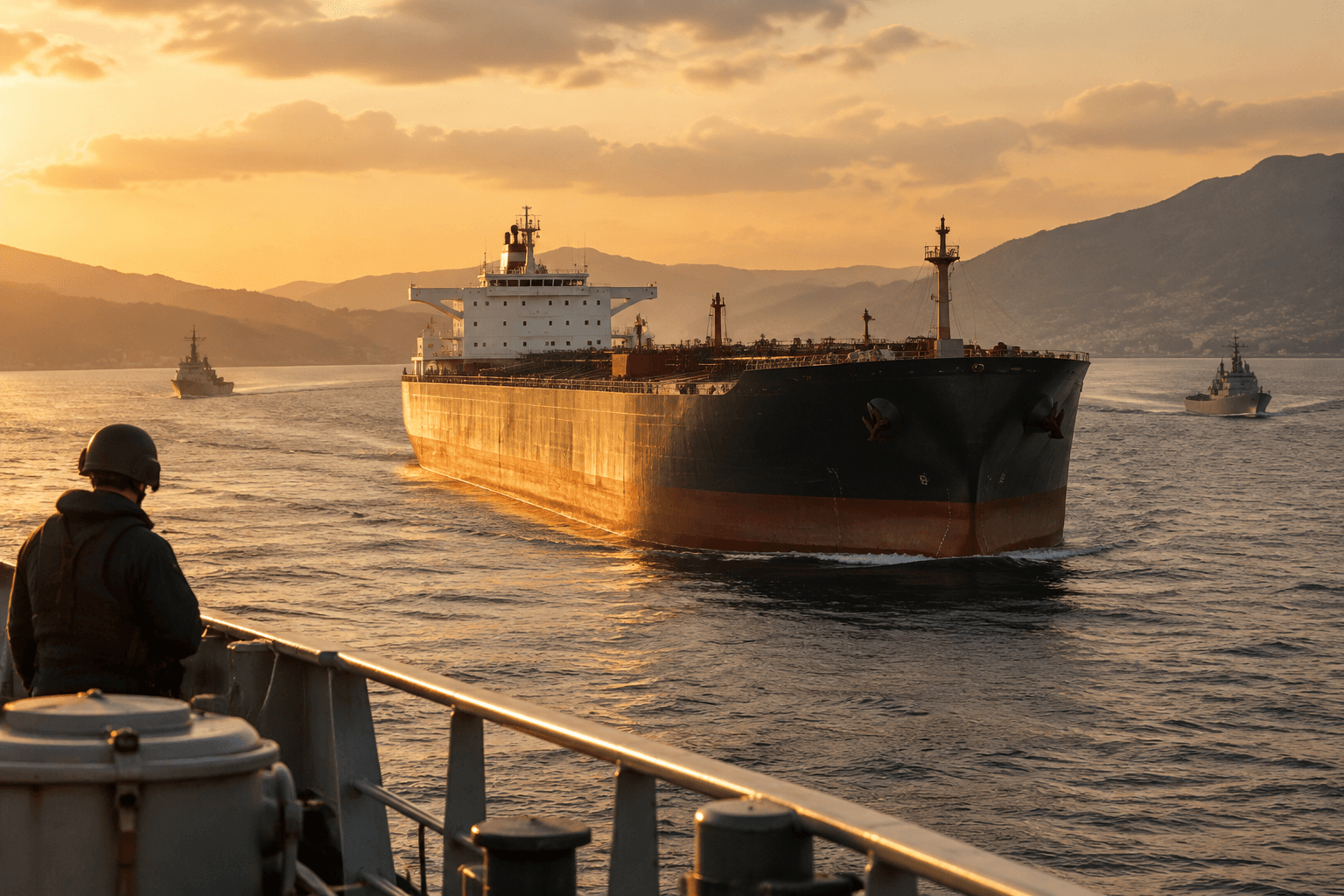
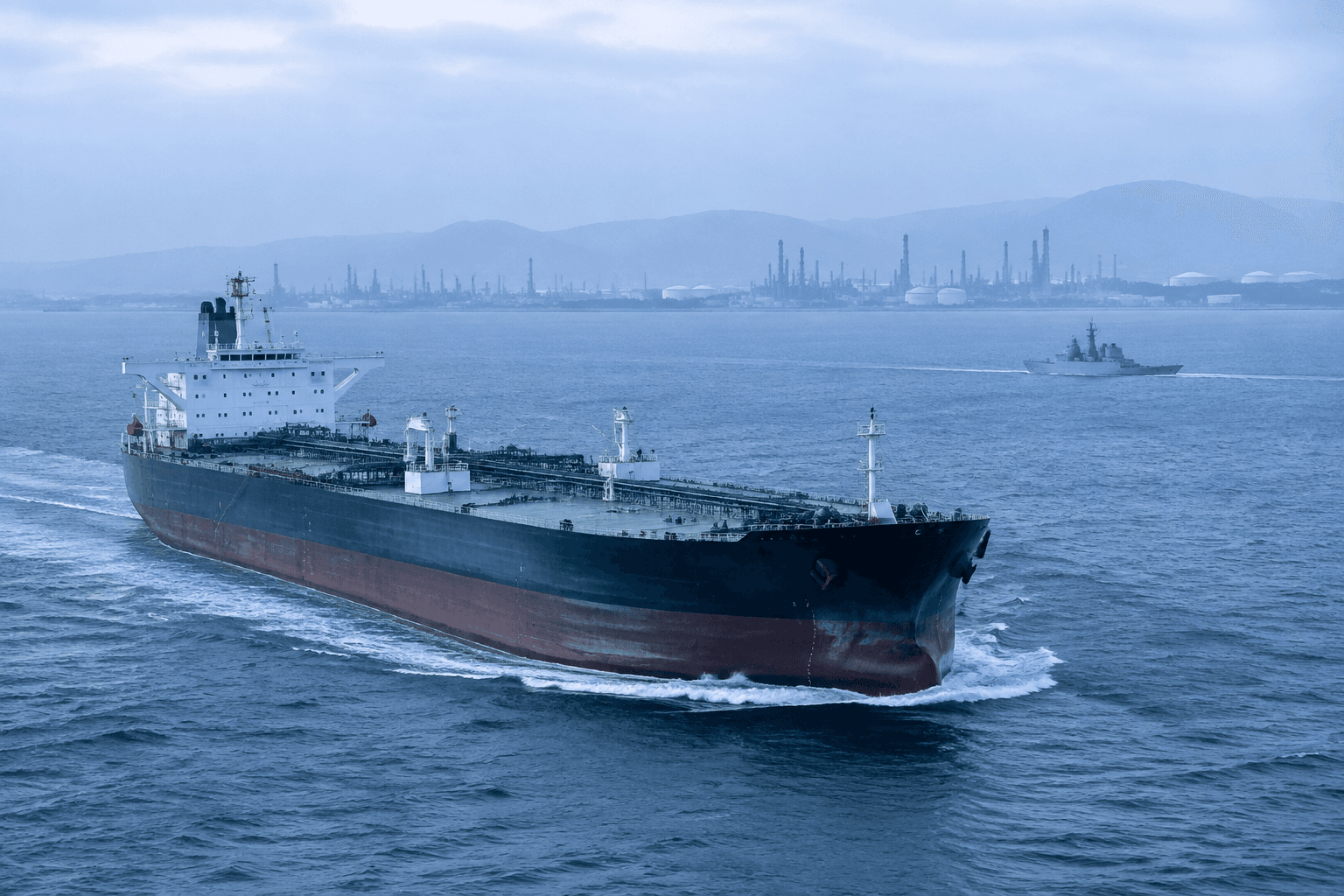
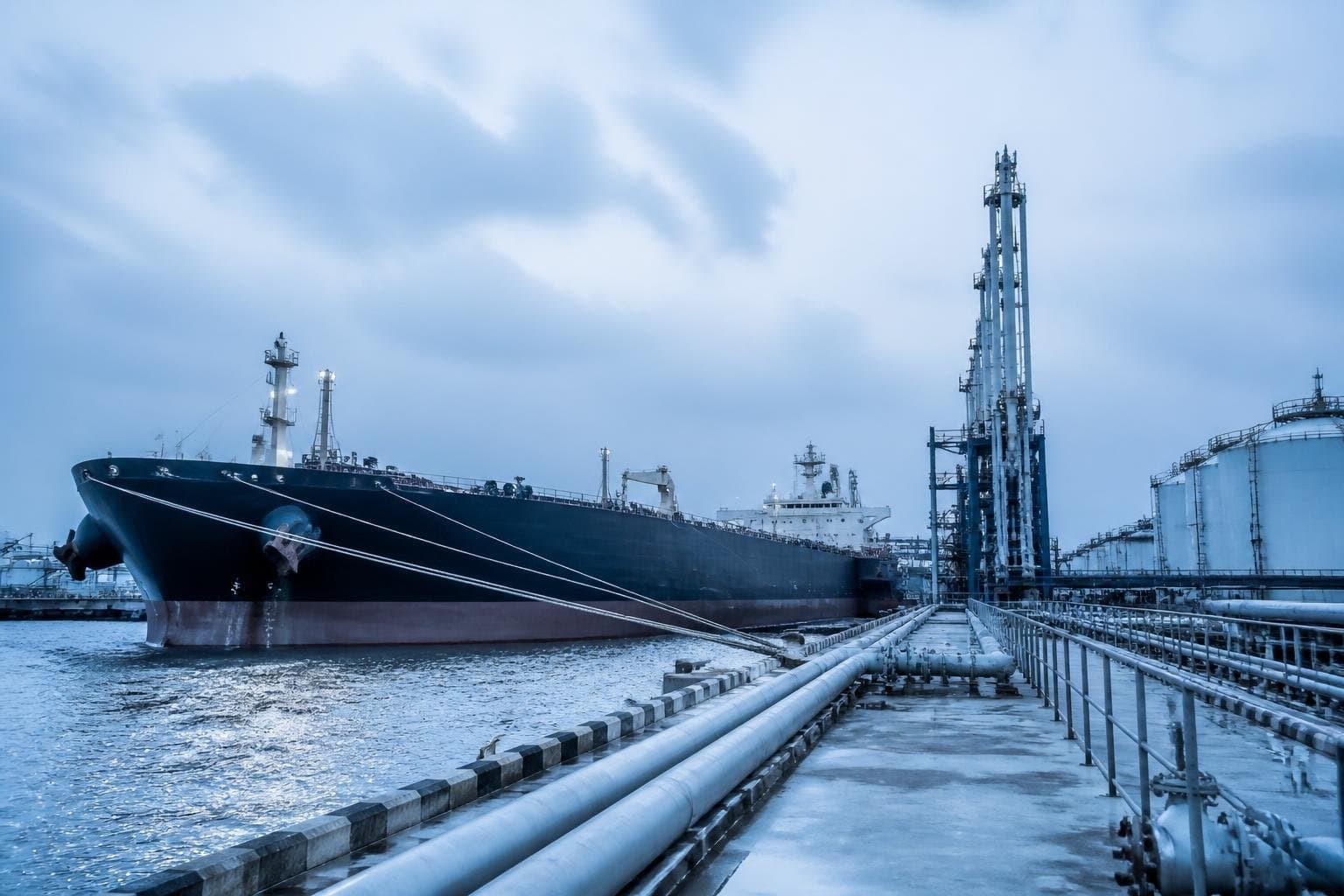
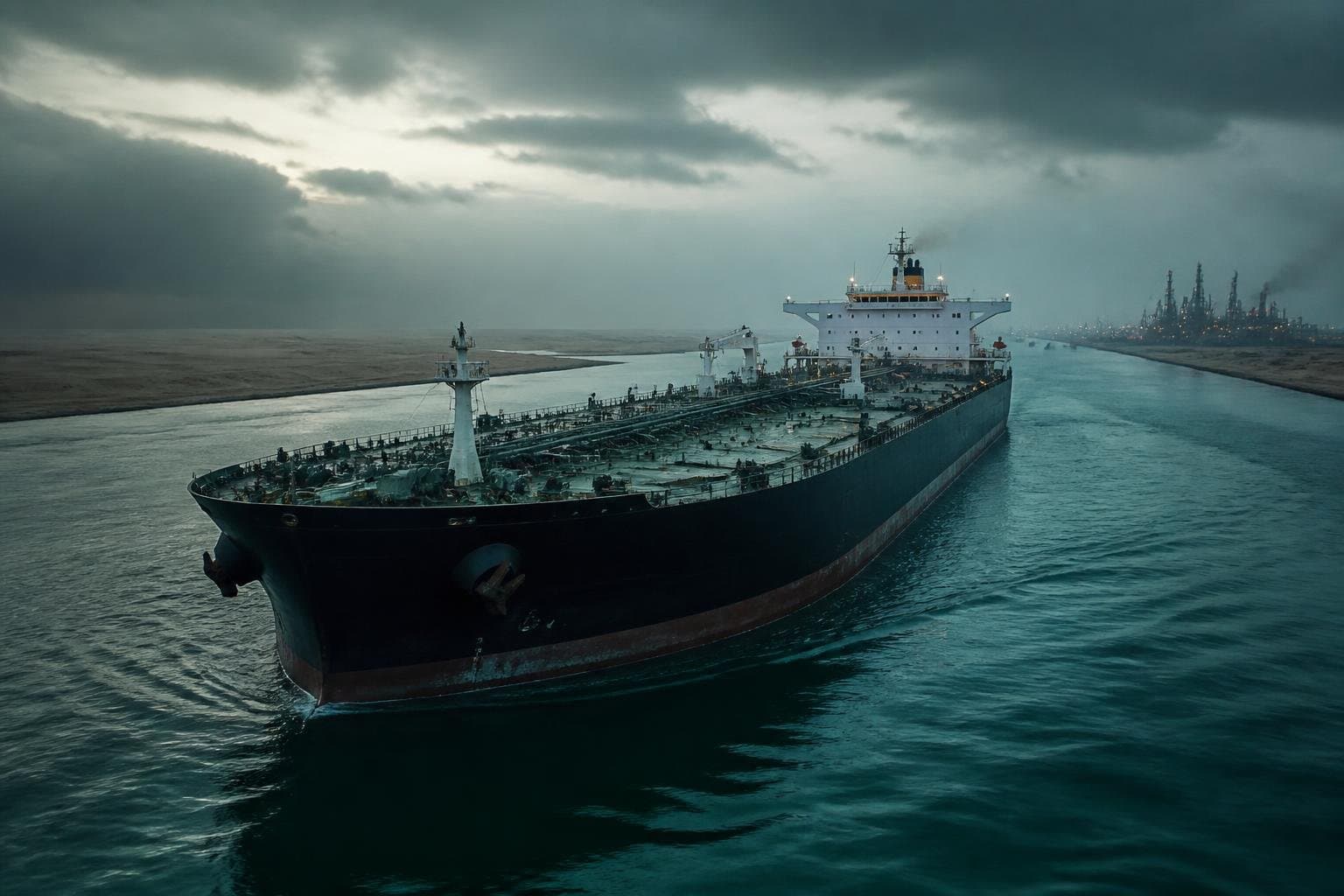
OPEC+ has approved another production increase after the Strait of Hormuz reopened, significantly improving the outlook for global oil supply and pushing prices further down.
40 ARTICLES
US President Donald Trump warns that either a nuclear deal with Iran will be reached or the US will 'finish the job' – a statement sending shockwaves through energy and commodity markets.
OPEC+ has approved another production increase after the Strait of Hormuz reopened, significantly improving the outlook for global oil supply and pushing prices further down.
Europe is turning its back on American liquefied natural gas because the price is too high. That is creating headaches for the US-EU trade deal that just entered into force.
PJM Interconnection, which supplies 67 million Americans with electricity, has issued emergency load-reduction orders after explosive growth in data centers and crypto mining pushes the grid to its breaking point.
PJM Interconnection, which supplies electricity to 67 million Americans, was pushed to the brink of a historic record this week as extreme heat and explosive data demand struck simultaneously.
Crude oil prices retreated Wednesday following reports of progress in peace negotiations between the US and Iran, raising the prospect of more Iranian oil entering the global market.
Crude oil prices are little changed on Tuesday, but are on track for their steepest monthly and quarterly decline since the coronavirus crisis of 2020 — driven by concerns over weak global demand and rising OPEC+ production.
Shipping traffic through the Strait of Hormuz has fallen sharply after US forces carried out strikes against Iranian targets over the weekend. The situation is creating fresh uncertainty in global energy markets.
Beijing is positioning itself as the dominant player in Iran's reconstruction and aims to secure long-term access to Iranian oil reserves – while Asian rivals wait on the sidelines and Europe is locked out.
Iraq signals a possible withdrawal from OPEC unless the country is granted a higher production quota. Meanwhile, European officials are preparing high-level talks in Baghdad on energy cooperation.
The UN has suspended evacuation operations for ships in the Strait of Hormuz after a vessel came under fire. The incident worsens an already tense situation in one of the world's most critical oil corridors.
Despite the largest disruption in oil market history — the closure of the Strait of Hormuz — WTI is now trading below $70 a barrel. Market analysts are baffled.
The UN's maritime organization IMO has begun individual contact with hundreds of vessels stranded in the Gulf, but Oman warns that the ordinary shipping lanes remain too dangerous to use.
Artificial intelligence is becoming one of the world's largest energy consumers. According to the IEA, global data center consumption could exceed 1,700 TWh by 2035 — and part of the bill is being paid in oil.
G7 leaders have forged a strategic minerals alliance to break China's dominance over the raw materials that are essential to defense, the automotive industry, and green energy.
The US and Iran are scheduled to begin new negotiations in Switzerland on Sunday, according to Pakistan. A potential deal could open the door to Iranian oil on the world market and alter the current risk landscape.
A preliminary peace agreement between the US and Iran has contributed to falling mortgage rates in the United States this week, as geopolitical risk reduction sends signals across global financial markets.
Tanker traffic through the Strait of Hormuz has nearly ceased after US-Iran negotiations fell apart before they even got off the ground. Trump is threatening 60 days of maximum pressure.
A potential peace deal could open the door for Iran to sell oil on the world market again, generating more than $60 billion annually — but experts warn the impact on global energy markets may be limited.
Artificial intelligence and data centres are driving a historic nuclear power boom in Europe. Tech companies are committing hundreds of billions, but the waste problem remains unsolved.
The closure of the Strait of Hormuz has sent shockwaves through global energy markets. According to the Financial Times, it could take months — or years — before oil and gas production and logistics return to normal.
The US and Iran have agreed to a ceasefire just ahead of the G7 summit. Iran's use of cryptocurrency to evade sanctions is expected to be a central topic among the world's leading industrialized nations.

A draft framework agreement with 14 articles is announced by Iranian state media: the Strait of Hormuz to open within 30 days, oil sanctions suspended, and $24 billion in frozen assets released – but Iran's missile program is kept off the negotiating table.
SpaceX made its Nasdaq debut on Thursday with a valuation of $1.75 trillion, while oil prices dropped on hopes of a Gulf peace deal. Markets rose despite a broader risk-off mood.
British authorities have set 1 January 2027 as the final deadline to close a controversial loophole in Russia sanctions – the import of diesel and jet fuel refined from Russian crude oil in third countries.
US President Donald Trump claims that a large-scale peace agreement with Iran could be signed as early as this weekend – likely in Europe. Such a deal could push oil prices lower and fundamentally alter Iran's role in the global crypto market.
Geopolitical turmoil in the Middle East is pushing oil prices to $92 a barrel, while Asian equity markets move in different directions and US futures attempt a tentative recovery.
A US blockade against Iran is pushing OPEC's total oil production to its lowest level since at least the year 2000, according to a new Reuters survey. Markets are firmly in risk-off territory.
The United States carried out strikes against Iran in the early hours of Tuesday after an American military helicopter was shot down near the Strait of Hormuz. Bitcoin immediately fell to $61,700.
Iranian missile strikes against Israel sent crude oil prices sharply higher on Monday, as investors sought safe havens in a market gripped by escalating tensions in the Middle East.
U.S. crude oil inventories fell nearly 8 million barrels last week — far exceeding analysts' estimate of just over 4 million. WTI crude is approaching $95 per barrel.
Energy trading giant Vitol believes the oil price does not reflect the real risk associated with the conflict with Iran. Analysts fear the market is asleep at the wheel.
Iranian President Masoud Pezeshkian has reportedly resigned, accusing the Revolutionary Guard of having seized all decision-making power. The report, so far sourced only from social media, is pushing oil prices higher and torpedoing the fragile nuclear negotiations.

Energy giant Uniper raises the alarm about dangerously low gas storage levels in Germany and demands that authorities introduce incentives to accelerate the filling rate before winter sets in.
Fresh US military strikes against Iran abruptly halted Wall Street's record streak and sent Asian markets into the red on Wednesday. Meanwhile, investors eagerly await new US inflation figures.

Brent crude fell below $100 a barrel for the first time in three weeks after President Trump signaled progress in diplomatic talks with Iran. Lower oil prices could curb inflation and give central banks more room to maneuver.
European gas reserves are critically low after a harsh winter, and Equinor leaders are now warning that further disruptions in the Strait of Hormuz could plunge the continent into a severe energy crisis before winter sets in.
The US confirms Apache helicopters sank six Iranian boats in the Strait of Hormuz. Insurance premiums for transit have skyrocketed from 0.25% to 5% of vessel value — an increase of over 1,000% — while 150 vessels anchor or reroute. The RISK_OFF regime is in full effect.
Kinross Gold rapporterer rekordkontantgenerering for fjerde kvartal på rad, med marginer på $3 476 per gullequivalent-unse — en økning på 92% fra samme periode i fjor. Gullets sterke prisutvikling fungerer som medvind, men risiko-off-stemningen i markedet holder investorer på vakt.
Glencore leverte 199 600 metriske tonn kobber i første kvartal — en oppgang på 19% fra samme periode i fjor. Det skjer i et marked preget av risk-off-stemning, svak etterspørselsvekst fra Kina og et Bitcoin-marked som handler på $78 340 med Fear & Greed på 26.