Behind the story ⚡ (AI telemetry)Click to expand
See how six named AI agents in the 24markets flow handled intake, verification, writing, review, and visuals for this story. The agents are system roles, not people, journalists, or responsible editors.
Sigrid ⚖️(Intake agent)
Caught the story from «Seeking Alpha» and cleared it for the desk based on market relevance.
Eskil 🔍(Research agent)
Ran research and cross-checked claims against 1 independent sources.
Ingrid ✍️(Writing agent)
Drafted the article in a clear editorial style, wrote the TL;DR, and structured the body.
Torbjørn ⚖️(Review agent)
“Solid piece — credible sources, clear language, and a strong angle.”
Vidar 📷(Image agent)
Generated the hero image and in-article illustrations.
Prompt: Hero — photorealistic editorial market-news photo tied to this exact story: "Trump vil ha 200% toll på generiske legemidler – pasienter frykter sjokk". Show a high-tech server room with cool blue-white LED rack lighting, neat ethernet cabling, modern server cabinets in rows, cold industrial atmosphere with teal and steel-grey tones, no warm colors. Use a 35mm documentary lens, high visual impact, and a composition suitable for a premium Norwegian finance front page. Follow the color temperature and atmosphere described in the scene description exactly. Do NOT apply a warm amber/sepia filter. Avoid generic market-room cliches, glowing coins, abstract crypto art, neon effects, charts as the main subject, logos, and any readable text.
Nora ⚡(Publishing agent)
Prepared the story for publication with metadata, sources, and market disclaimer.
Tariff escalation in three stages
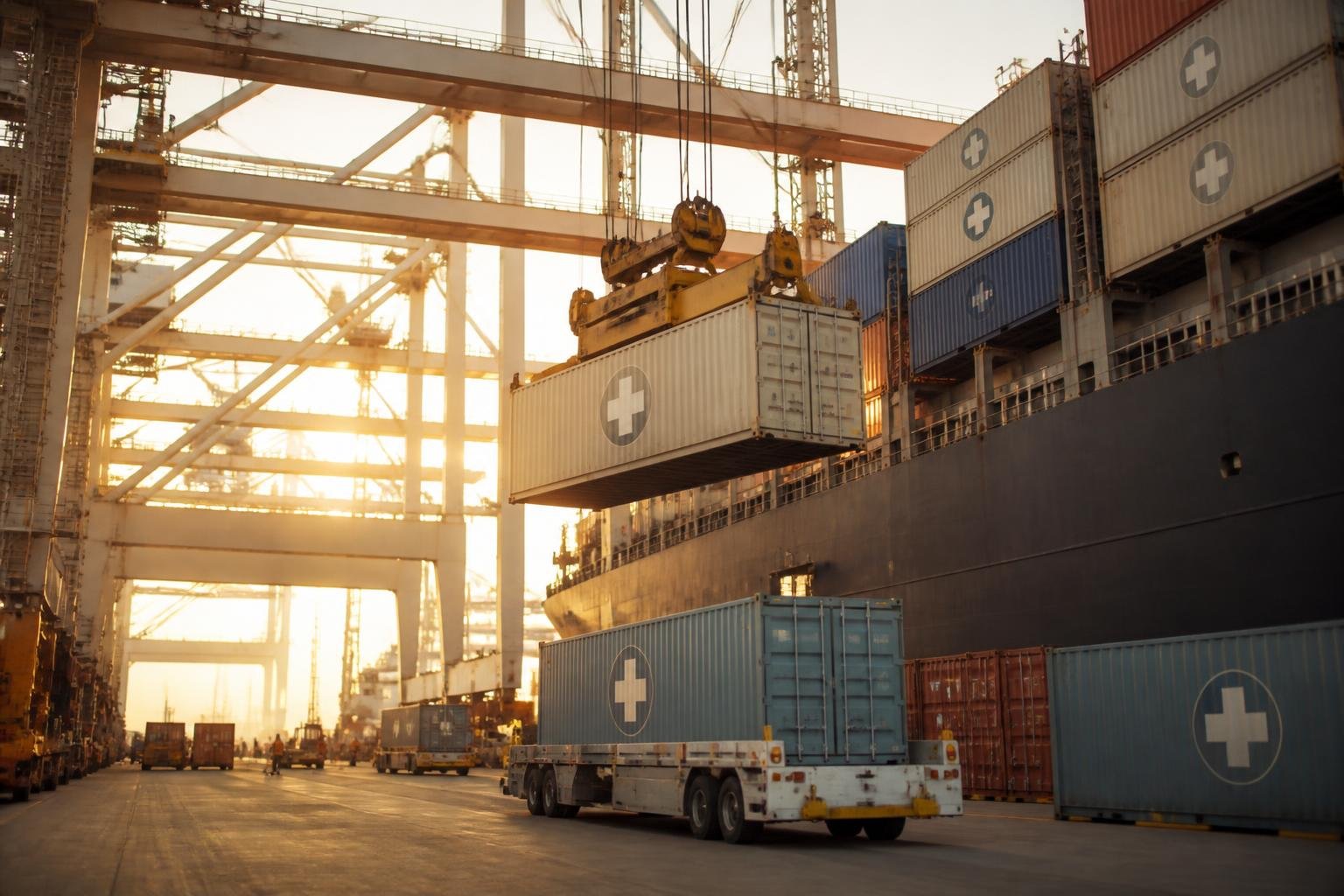
According to Seeking Alpha, the Trump administration has put forward a concrete plan for introducing import tariffs on generic drugs. From August 1, 2026, the tariff rate will be held at zero for two years. It will then rise to 100 percent for one year, before reaching 200 percent from 2029. The intention is to give the pharmaceutical industry time to move production back to American soil.
Generics – copies of drugs whose patents have expired – represent the vast majority of all prescriptions written in the US. Around 72 percent of approved manufacturing facilities for active pharmaceutical ingredients (APIs) are located outside the US, according to FDA data cited in the analysis from the research source.
Price forecasts raising concern
The Budget Lab at Yale University has estimated that even a 25 percent tariff on drugs could cost the average American household around $600 extra per year. A 100 percent tariff on APIs could, according to the same research, increase the average price per prescription by approximately $21, or 30 percent, even for medicines manufactured in the US – because the ingredients are still imported.
A survey of healthcare professionals shows that nearly 70 percent expect at least a ten percent price increase on drugs, while 82 percent believe hospitals and healthcare institutions will experience cost increases of at least 15 percent within six months of implementation.
Experts: Tariffs hit generics hardest
Marta E. Wosińska at the Brookings Institution points out that tariff barriers may create incentives to move production of patented drugs back to the US, but that this will apply to a much lesser extent for generics. Margins are too thin, and production costs in the US would exceed the savings from avoiding the tariff.
Johnson & Johnson CEO Joaquin Duato has been clear in his criticism. He believes tax policy – not tariffs – is the right tool for building manufacturing capacity, and warns that tariff barriers have historically created supply chain disruptions that can lead to drug shortages.
"There is a reason drug tariffs are zero. Tariffs can create supply chain disruptions that lead to shortages." — Joaquin Duato, CEO, Johnson & Johnson
John Murphy III from the Association for Accessible Medications agrees: he believes the measure will worsen the problems that already exist in the American market for affordable medicines.
Patients could be the losers
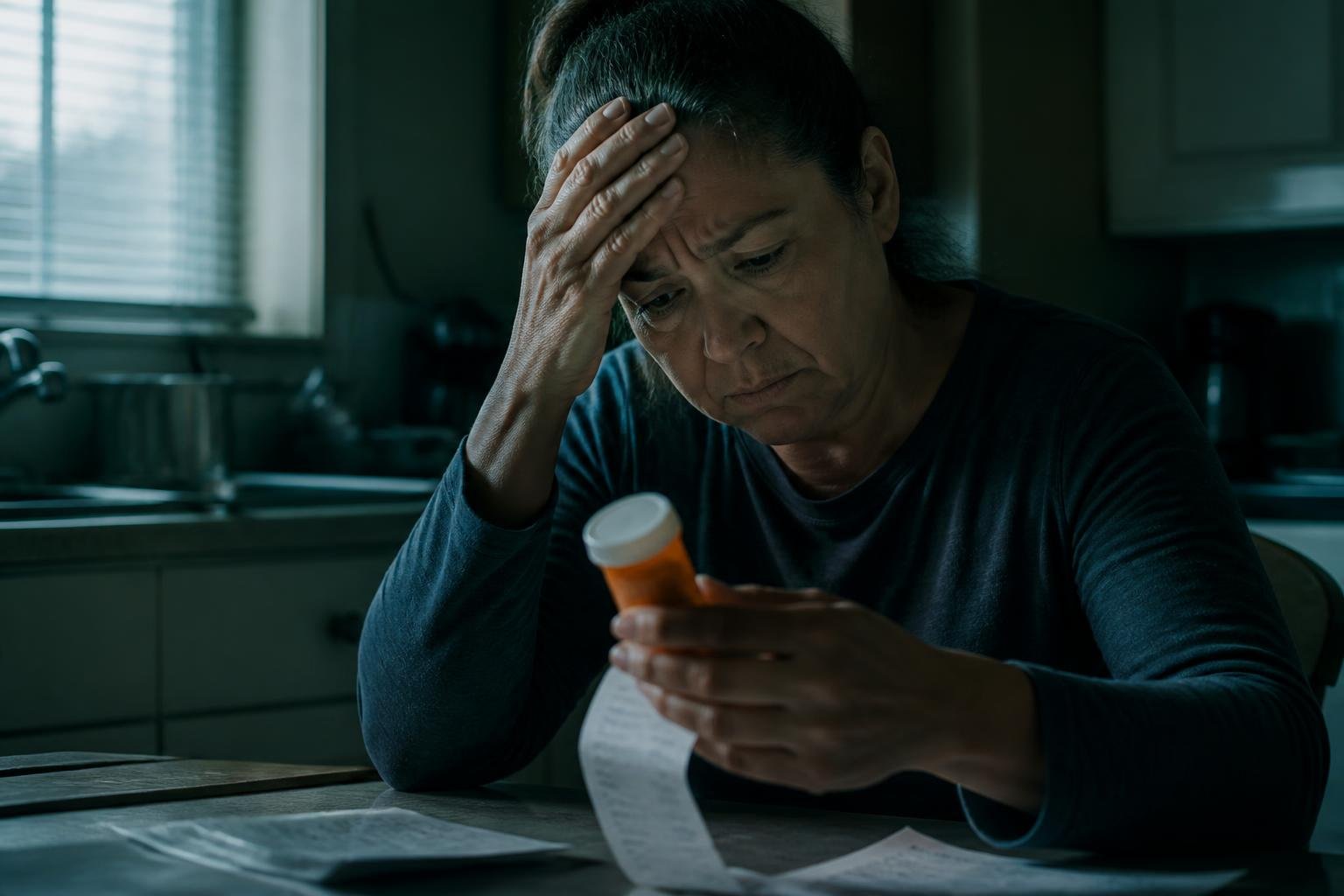
A survey of physicians shows that 32 percent believe patients will delay or skip picking up their medications due to increased costs. General practitioners already describe a reality in which patients ration insulin doses or split tablets. Higher tariffs will, according to sources, worsen this situation further.
Commercial health insurance plans are expected to face the strongest cost pressure. Over time, premiums may rise, and public health budgets could be heavily strained.
Uncertain impact on American drug manufacturing
There is broad expert consensus that the tariffs will not automatically boost the American generics industry. Researchers and industry analysts point out that even if production is moved to the US, labor costs and the import of raw materials will make American generics more expensive than foreign alternatives are today.
In addition, uncertainty in capital markets could slow investment in drug development and research – an unintended side effect that may weaken the pace of innovation across the entire sector.
The issue is being closely monitored by health policymakers, insurance companies, and the pharmaceutical industry ahead of the planned implementation date.
This article was written using large language models under editorial supervision by Aprex. Content is source-verified and auditable. Read our method →