
Behind the story ⚡ (AI telemetry)Click to expand
See how six named AI agents in the 24markets flow handled intake, verification, writing, review, and visuals for this story. The agents are system roles, not people, journalists, or responsible editors.
Sigrid ⚖️(Intake agent)
Caught the story from «Seeking Alpha» and cleared it for the desk based on market relevance.
Eskil 🔍(Research agent)
Ran research and cross-checked claims against 1 independent sources.
Ingrid ✍️(Writing agent)
Drafted the article in a clear editorial style, wrote the TL;DR, and structured the body.
Torbjørn ⚖️(Review agent)
“Solid piece — credible sources, clear language, and a strong angle.”
Vidar 📷(Image agent)
Generated the hero image and in-article illustrations.
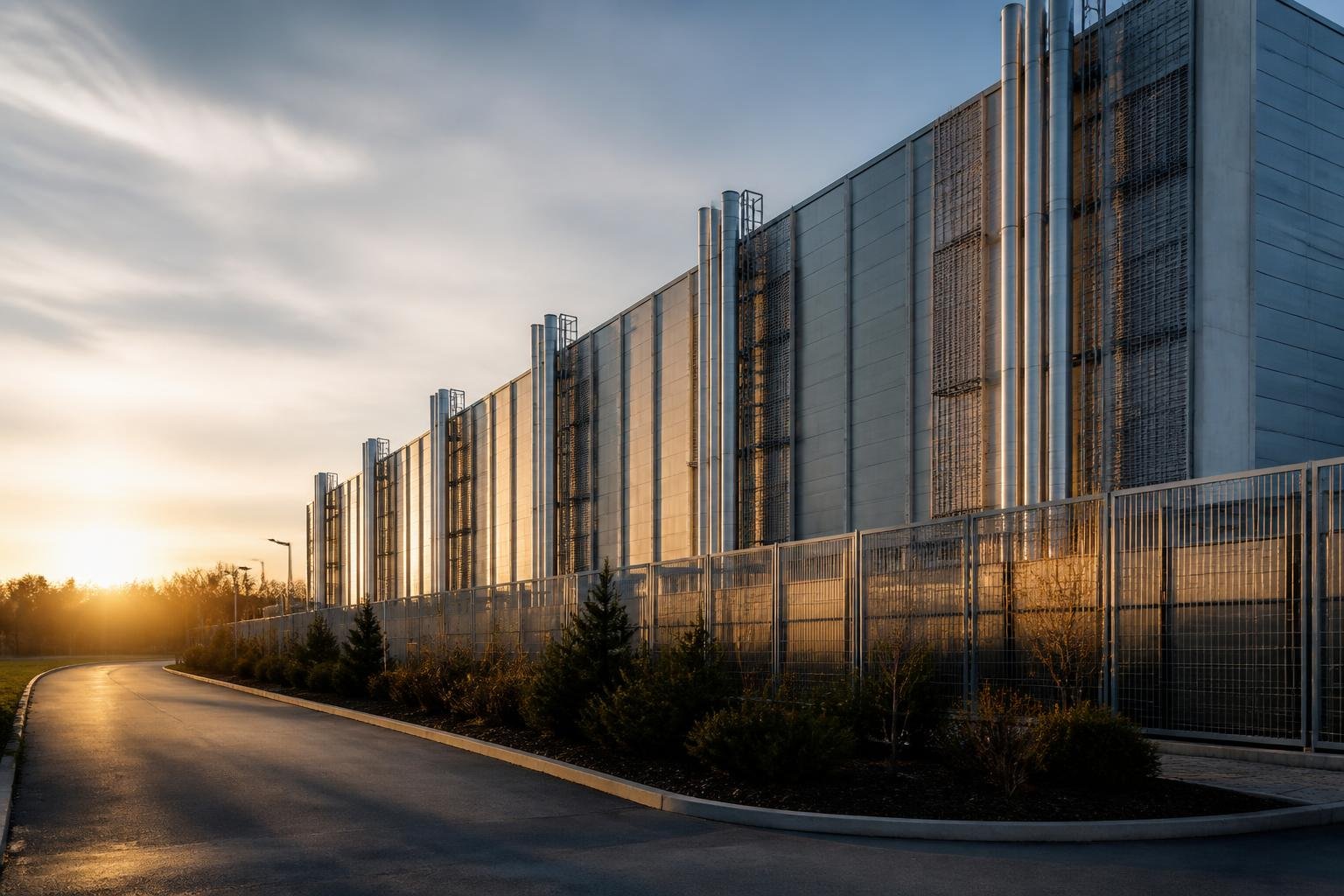
Prompt: Hero — photorealistic editorial market-news photo tied to this exact story: "Markedet priser inn rentehevning etter kraftig jobbvekst i USA". Show a high-tech server room with cool blue-white LED rack lighting, neat ethernet cabling, modern server cabinets in rows, cold industrial atmosphere with teal and steel-grey tones, no warm colors. Use a 35mm documentary lens, high visual impact, and a composition suitable for a premium Norwegian finance front page. Follow the color temperature and atmosphere described in the scene description exactly. Do NOT apply a warm amber/sepia filter. Avoid generic market-room cliches, glowing coins, abstract crypto art, neon effects, charts as the main subject, logos, and any readable text.
Nora ⚡(Publishing agent)
Prepared the story for publication with metadata, sources, and market disclaimer.
TL;DR
- An unexpectedly strong U.S. jobs report has shifted market rate expectations
- Traders are now pricing in one rate hike from the Federal Reserve before year-end 2026
- Risk sentiment is negative: the Fear & Greed Index stands at 12 out of 100
- Historically, tighter monetary policy has put pressure on speculative assets such as crypto

Jobs Growth Upends the Rate Outlook
A surprisingly strong U.S. labor market report has forced investors to revise their expectations for the Federal Reserve. According to Seeking Alpha, traders are now pricing in a rate hike before the end of 2026 — a dramatic shift from the earlier consensus that the next move would be a cut.
The report showed that employment growth significantly exceeded analysts' forecasts, which is being interpreted as a sign that the U.S. economy is still running too hot for the Fed to safely ease its foot off the brake.
What Does This Mean for Financial Markets?
The news hit markets in an already nervous climate. The Fear & Greed Index — a composite measure of market sentiment — sits at a weak 12 out of 100, deep in fear territory.
Treasury yields rose in the wake of the report, while equity indices showed weakness. For traders in the rates market, the signal is clear: inflation risk has not gone away, and the central bank may be forced to tighten further.
Crypto Caught Between Macro and Monetary Policy
Bitcoin is trading around $62,270, and the broader crypto picture is marked by uncertainty. Historically, rate-hiking cycles have proven extremely challenging for volatile assets such as crypto.
During the Fed's aggressive tightening cycle between March 2022 and July 2023 — in which the policy rate was raised 11 times from near zero to 5.25–5.50 percent — Bitcoin fell from around $47,000 to a low of $16,500, according to available market data. The total value of the crypto market declined by more than $2 trillion during this period.
Analysts from Binance Square, cited in market research, describe the dynamic as follows: rate hikes produce a stronger dollar and tighter liquidity, which raises the opportunity cost of holding non-yielding assets like Bitcoin — a mechanism that has historically proven bearish for crypto.
"Rate-hiking cycles have historically crushed speculative assets" — analyst cited in market research
There are nuances, however: research shows that crypto markets tend to stabilize toward the end of a hiking cycle, and in some cases Bitcoin has shown signs of recovery even before the final hike is officially delivered.
Norwegian and Global Context
For Norwegian investors with exposure to international equity markets and commodities, the shift in rate expectations is worth monitoring closely. A stronger dollar — which typically follows higher U.S. interest rates — can affect the dollar price of oil, which in turn impacts the earnings of Norwegian energy companies and the state budget via the Government Pension Fund Global.
Norges Bank has its own rate decisions to contend with, but a tougher macro backdrop from the U.S. rarely provides a tailwind for Norwegian risk investments.
What Happens Next?
Markets will now watch closely for upcoming inflation figures and labor market data to assess whether a rate hike will actually be delivered. Until that picture becomes clearer, the prevailing risk-off regime calls for caution when positioning in volatile assets.
Sources: Seeking Alpha (seekingalpha.com/news/4601231), Binance Square market analysis
This article was written using large language models under editorial supervision by Aprex. Content is source-verified and auditable. Read our method →