
Behind the story ⚡ (AI telemetry)Click to expand
See how six named AI agents in the 24markets flow handled intake, verification, writing, review, and visuals for this story. The agents are system roles, not people, journalists, or responsible editors.
Sigrid ⚖️(Intake agent)
Caught the story from «OilPrice.com» and cleared it for the desk based on market relevance.
Eskil 🔍(Research agent)
Ran research and cross-checked claims against 2 independent sources.
Ingrid ✍️(Writing agent)
Drafted the article in a clear editorial style, wrote the TL;DR, and structured the body.
Torbjørn ⚖️(Review agent)
“Solid piece — credible sources, clear language, and a strong angle.”
Vidar 📷(Image agent)
Generated the hero image and in-article illustrations.
Prompt: Hero — photorealistic editorial market-news photo tied to this exact story: "Irak truer med OPEC-exit — EU flyr til Bagdad". Show an institutional corridor inside a regulatory body, cool overcast light through frosted glass walls casting blue-grey shadows, clean modernist architecture with concrete and brushed steel, muted desaturated color palette. Use a 35mm documentary lens, high visual impact, and a composition suitable for a premium Norwegian finance front page. Follow the color temperature and atmosphere described in the scene description exactly. Do NOT apply a warm amber/sepia filter. Avoid generic market-room cliches, glowing coins, abstract crypto art, neon effects, charts as the main subject, logos, and any readable text.
Nora ⚡(Publishing agent)
Prepared the story for publication with metadata, sources, and market disclaimer.
Iraq puts OPEC under pressure
Iraq's oil ministry stated on 25 June 2026 that the country is considering withdrawing from OPEC if the organisation does not grant higher production quotas, according to research sources based on statements from Iraqi authorities. A subsequent clarification from officials stressed that reports of an imminent withdrawal "do not reflect the government's official position" — but the signal has nonetheless been sent.
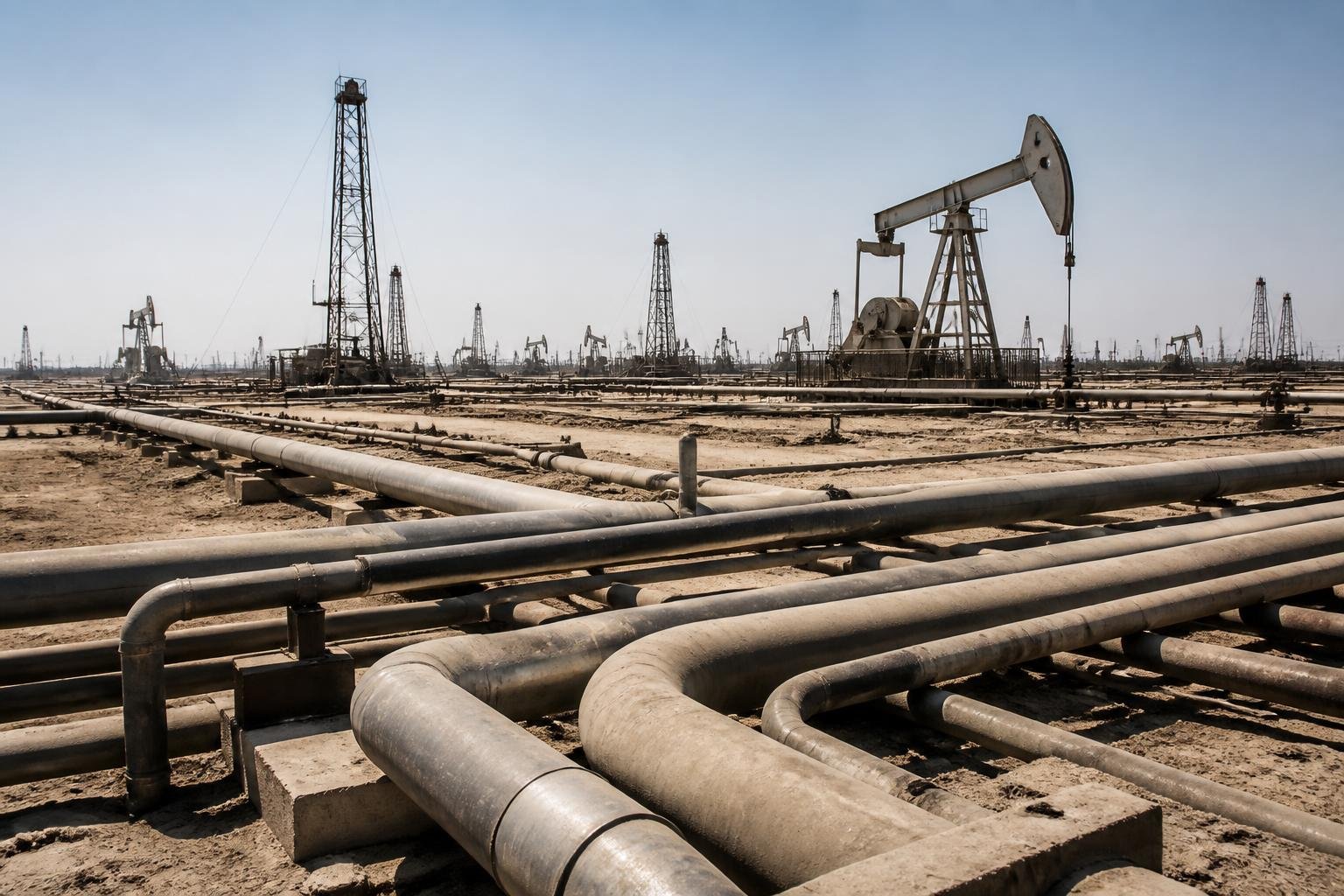
Iraq is OPEC's second-largest producer, surpassed only by Saudi Arabia, and is one of the five founding members when the organisation was established in Baghdad in 1960. The country is heavily oil-dependent: crude oil accounts for between 92 and 99 percent of Iraq's total export revenues, and 89 percent of its foreign currency earnings in 2024.
The UAE opened the door — Iraq may follow
The UAE left OPEC on 1 May 2026, citing the fact that its actual capacity exceeds the permitted quotas. This created a precedent that Iraq now appears to be leaning on. Analysts from HSBC Global Investment Research have warned that the loss of key Gulf members "undermines OPEC's credibility" and that price management could become "harder to enforce" during periods of weak demand.
Robert Yawger, Director of Energy Futures at Mizuho Securities USA, has reportedly stated, according to research sources, that if major producers like Iraq begin maximising output in an uncoordinated manner, oil prices could fall "below $50 per barrel" — a level last seen during the covid pandemic. Brent crude peaked at $115 per barrel in March 2026, but is currently trading around $75.
EU seeks to secure energy access directly from Baghdad
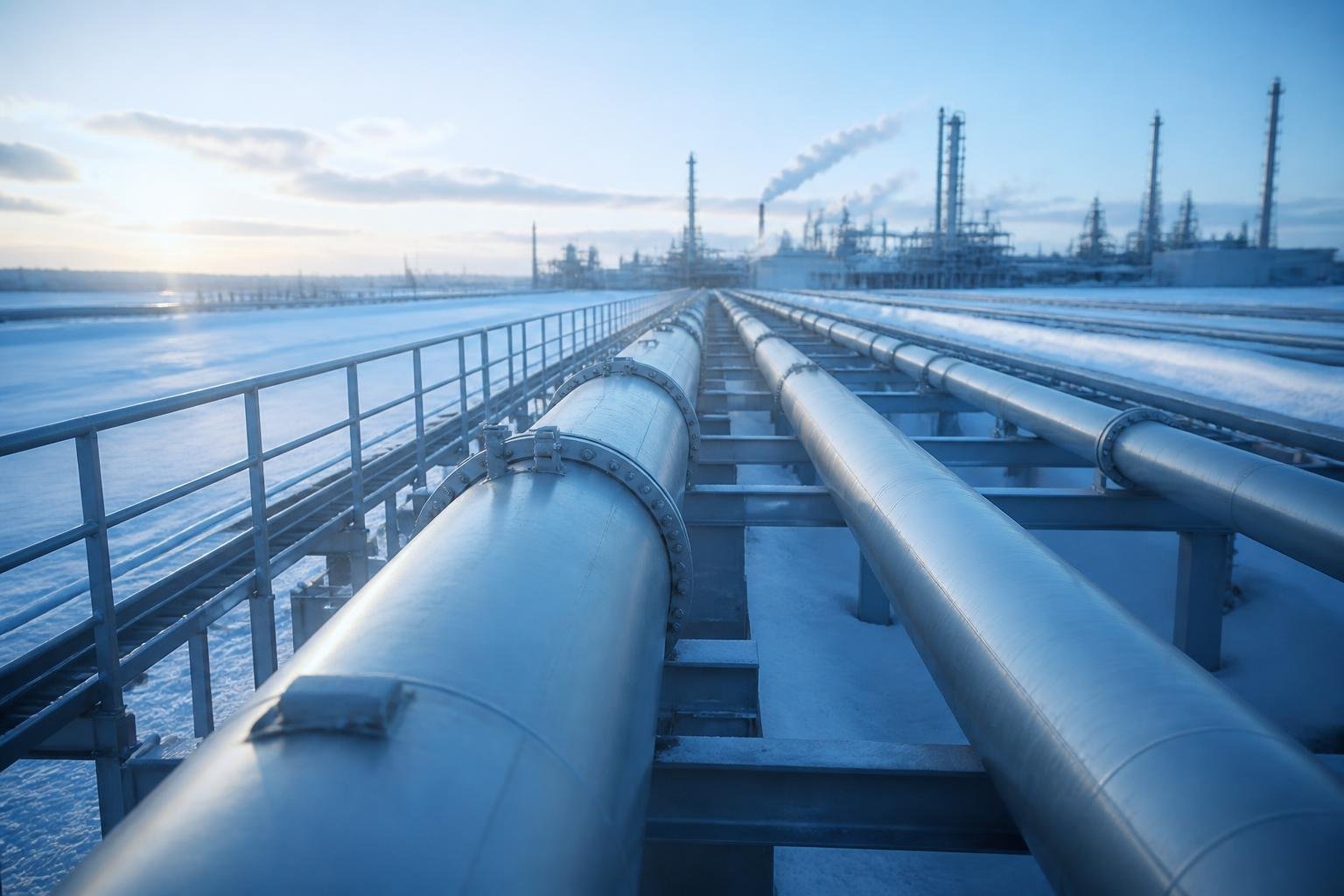
In parallel with the OPEC drama, European officials are preparing high-level visits to Baghdad in the coming weeks, according to Iraqi sources cited by Shafaq News. The talks are said to focus on concrete projects: associated gas capture, increased electricity generation, expansion of energy storage capacity, and strengthening of crude oil export infrastructure.
For Europe, which since 2022 has been actively working to diversify away from Russian energy, Iraq represents a potentially important long-term supplier. Iraq's oil exports averaged 3.372 million barrels per day in 2024, generating an estimated $96–101 billion in export revenues.
The Strait of Hormuz complicates the picture
It is worth noting that Iraq's actual production in May 2026 stood at only 1.48 million barrels per day — well below its quota of 4.378 million — primarily due to disruptions linked to the Strait of Hormuz. The geopolitical instability in the region therefore complicates Iraq's negotiating position vis-à-vis OPEC, while simultaneously underscoring the country's desire to build out capacity and infrastructure in pursuit of a long-term target of 7 million barrels per day.
What does this mean for the oil market?
Experts disagree on the scale of the impact, but the direction points toward increased volatility. If Iraq actually chooses to leave OPEC — something authorities are currently playing down — the country would be free to raise production without coordination. Combined with the UAE's withdrawal, this risks undermining OPEC's overall ability to manage oil prices.
Some analysts also point out that OPEC's role as the global "swing producer" has already been structurally weakened by the growth of US oil production. The ongoing situation in the Strait of Hormuz has, according to research sources, only accelerated this shift.
With EU representatives heading to Baghdad and an OPEC alliance under open pressure, the global energy market finds itself in one of its more uncertain phases in a long time.
This article was written using large language models under editorial supervision by Aprex. Content is source-verified and auditable. Read our method →