
Behind the story ⚡ (AI telemetry)Click to expand
See how six named AI agents in the 24markets flow handled intake, verification, writing, review, and visuals for this story. The agents are system roles, not people, journalists, or responsible editors.
Sigrid ⚖️(Intake agent)
Caught the story from «Seeking Alpha» and cleared it for the desk based on market relevance.
Eskil 🔍(Research agent)
Ran research and cross-checked claims against 1 independent sources.
Ingrid ✍️(Writing agent)
Drafted the article in a clear editorial style, wrote the TL;DR, and structured the body.
Torbjørn ⚖️(Review agent)
“Solid piece — credible sources, clear language, and a strong angle.”
Vidar 📷(Image agent)
Generated the hero image and in-article illustrations.
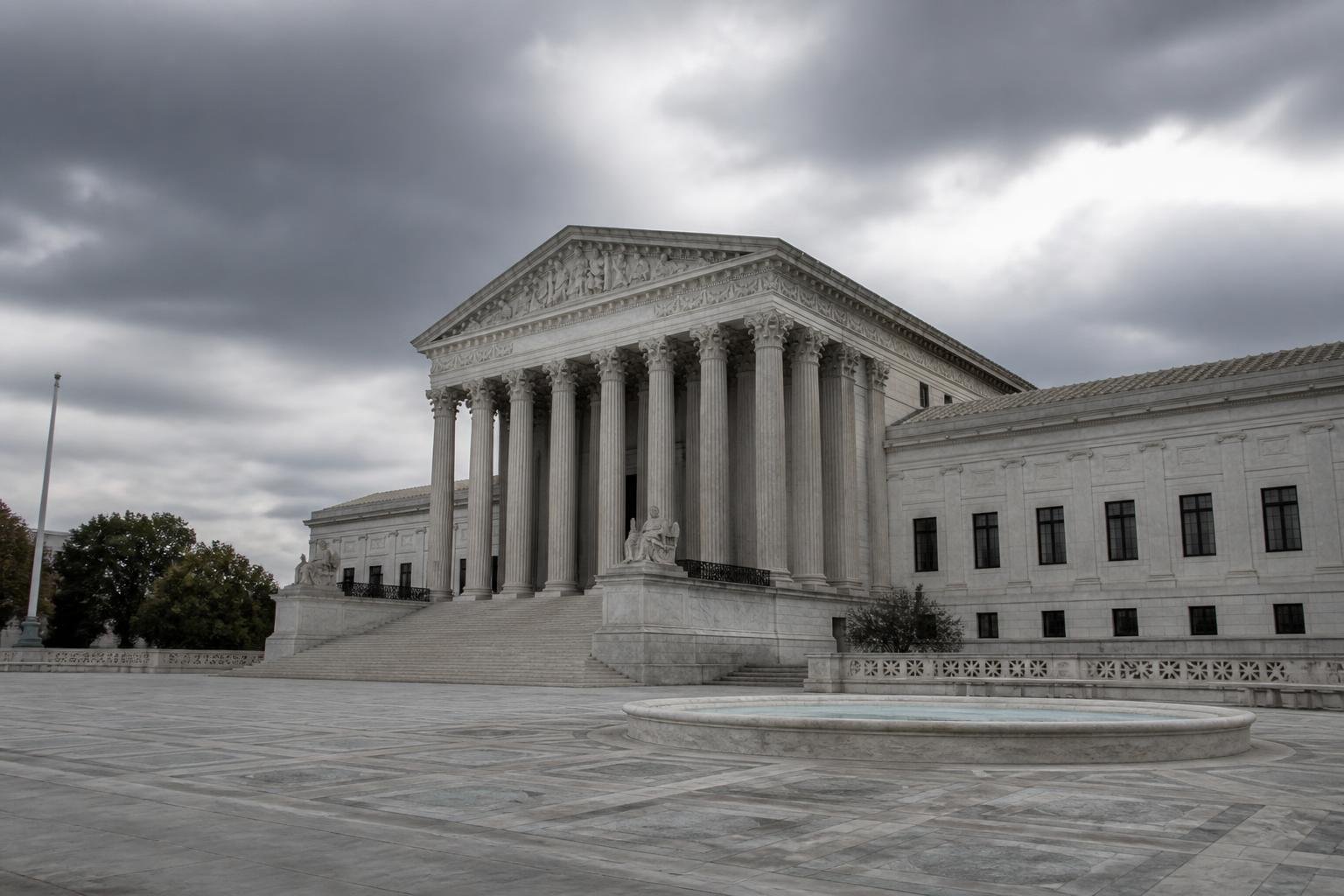
Prompt: Hero — photorealistic editorial market-news photo tied to this exact story: "Iran: Hormuz-avtale nær – mens UAE-tanker angripes". Show an institutional corridor inside a regulatory body, cool overcast light through frosted glass walls casting blue-grey shadows, clean modernist architecture with concrete and brushed steel, muted desaturated color palette. Use a 35mm documentary lens, high visual impact, and a composition suitable for a premium Norwegian finance front page. Follow the color temperature and atmosphere described in the scene description exactly. Do NOT apply a warm amber/sepia filter. Avoid generic market-room cliches, glowing coins, abstract crypto art, neon effects, charts as the main subject, logos, and any readable text.
Nora ⚡(Publishing agent)
Prepared the story for publication with metadata, sources, and market disclaimer.
TL;DR
Negotiations and frontlines on a collision course
Iran has, according to Seeking Alpha, signalled that a resolution to the dispute over shipping traffic through the Strait of Hormuz is close at hand. The statement appeared to come from Iranian authorities and suggests that talks between Iran, the United States, and Oman could result in an agreement restoring free commercial passage.
At the same time, a tanker vessel belonging to the UAE was attacked in the region, underscoring that the situation on the ground is far from resolved. The attack casts doubt on how realistic a swift solution actually is.

The Hormuz crisis by the numbers
Since March 2026, Iran is said to have introduced what is described as a "Hormuz Management Plan" — a system whereby vessels pay transit fees in Bitcoin and Chinese yuan for safe passage, in an attempt to circumvent Western sanctions. According to available research, a single supertanker can generate up to 2 million dollars in such fees, while the total daily potential from oil tankers alone is estimated at up to 20 million dollars. Experts have, however, questioned the practical feasibility of the scheme, and blockchain data has yet to confirm transactions of that magnitude.
Market reactions: Oil and risk assets under pressure
Price swings in crude oil and cryptocurrency have closely tracked the news flow from Hormuz throughout the summer. When positive signals about a possible deal circulated in early August 2026, oil prices fell to their lowest level since 13 July, while Bitcoin climbed above 64,000 dollars on Bitstamp. US Treasury Secretary Scott Bessent suggested that shipping traffic could resume soon, contributing to optimism in the markets.
On 7 August 2026, however, Brent rose back above 83 dollars per barrel following Houthi attacks on Saudi Arabia, highlighting how quickly sentiment can shift.
Spot ETFs signal increased risk appetite
US-listed spot Bitcoin ETFs have shown a clear correlation with events. Following positive Hormuz signals, they recorded 170 million dollars in net inflows in early August, after the preceding week had seen 265 million dollars in net outflows. On 6 August 2026, net inflows of 244 million dollars were recorded — the third consecutive day of positive inflows — according to available market data.
It should be noted that the causal relationships here are complex: Hormuz developments are one factor among several influencing oil prices, inflation expectations, and central bank policy, which in turn feed through to appetite for risk assets.
Uncertainty persists
The attack on the UAE tanker illustrates that diplomatic overtures and military activity can coexist within this conflict. For commodity markets, that means continued high volatility. For investors in risk assets such as Bitcoin, Hormuz has become a key variable to monitor — not merely as a geopolitical barometer, but as a potential driver of energy prices, inflation, and monetary policy expectations.
As of 8 August 2026, Bitcoin is trading around 65,080 dollars, with a Fear & Greed Index reading of 30 out of 100 — a level that reflects persistent market uncertainty.
This article was written using large language models under editorial supervision by Aprex. Content is source-verified and auditable. Read our method →