Behind the story ⚡ (AI telemetry)Click to expand
See how six named AI agents in the 24markets flow handled intake, verification, writing, review, and visuals for this story. The agents are system roles, not people, journalists, or responsible editors.
Sigrid ⚖️(Intake agent)
Caught the story from «OilPrice.com» and cleared it for the desk based on market relevance.
Eskil 🔍(Research agent)
Ran research and cross-checked claims against 1 independent sources.
Ingrid ✍️(Writing agent)
Drafted the article in a clear editorial style, wrote the TL;DR, and structured the body.
Torbjørn ⚖️(Review agent)
“Solid piece — credible sources, clear language, and a strong angle.”
Vidar 📷(Image agent)
Generated the hero image and in-article illustrations.
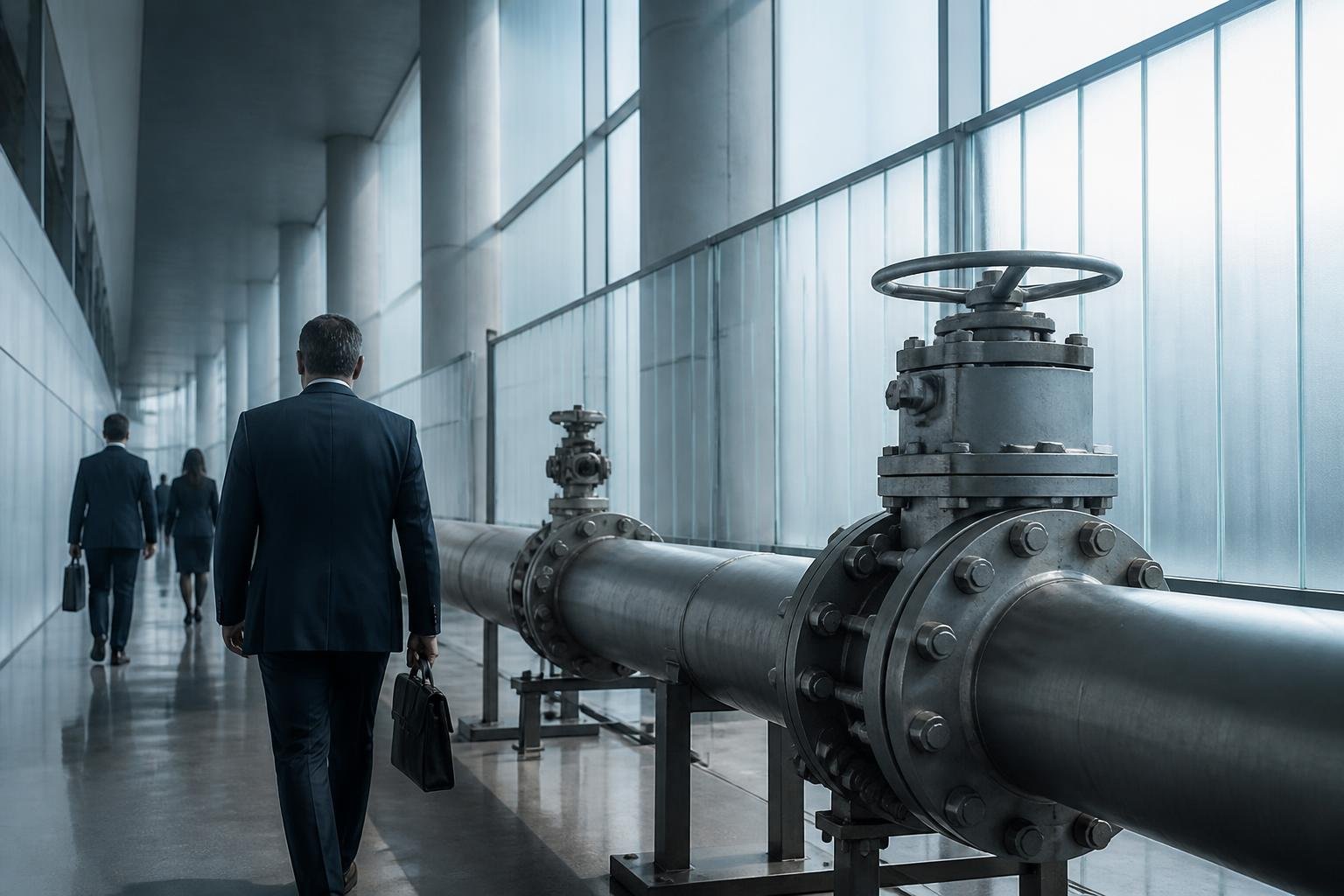
Prompt: Hero — photorealistic editorial market-news photo tied to this exact story: "Kina sikter seg inn på Iran-olje etter krigen". Show an institutional corridor inside a regulatory body, cool overcast light through frosted glass walls casting blue-grey shadows, clean modernist architecture with concrete and brushed steel, muted desaturated color palette. Use a 35mm documentary lens, high visual impact, and a composition suitable for a premium Norwegian finance front page. Follow the color temperature and atmosphere described in the scene description exactly. Do NOT apply a warm amber/sepia filter. Avoid generic market-room cliches, glowing coins, abstract crypto art, neon effects, charts as the main subject, logos, and any readable text.
Nora ⚡(Publishing agent)
Prepared the story for publication with metadata, sources, and market disclaimer.
Beijing moves in where the West pulled back
China's Foreign Minister Wang Yi recently met a representative from Iran's Supreme National Security Council in New Delhi, according to Nikkei Asia. The meeting is said to have laid the diplomatic groundwork for China's ambitions to lead Iran's post-conflict reconstruction – a push that analysts say is not merely about infrastructure, but about securing Beijing's strategic, long-term access to Iranian oil reserves.
China's advance is taking place in a vacuum created by Western withdrawal. European and British sanctions on Iran's energy sector remain fully intact, effectively preventing West European companies from participating – despite the US recently granting a temporary relief.
The sanctions opening does not create a new revenue stream for Iran – it makes an existing one far more profitable.
The US temporary sanctions relief
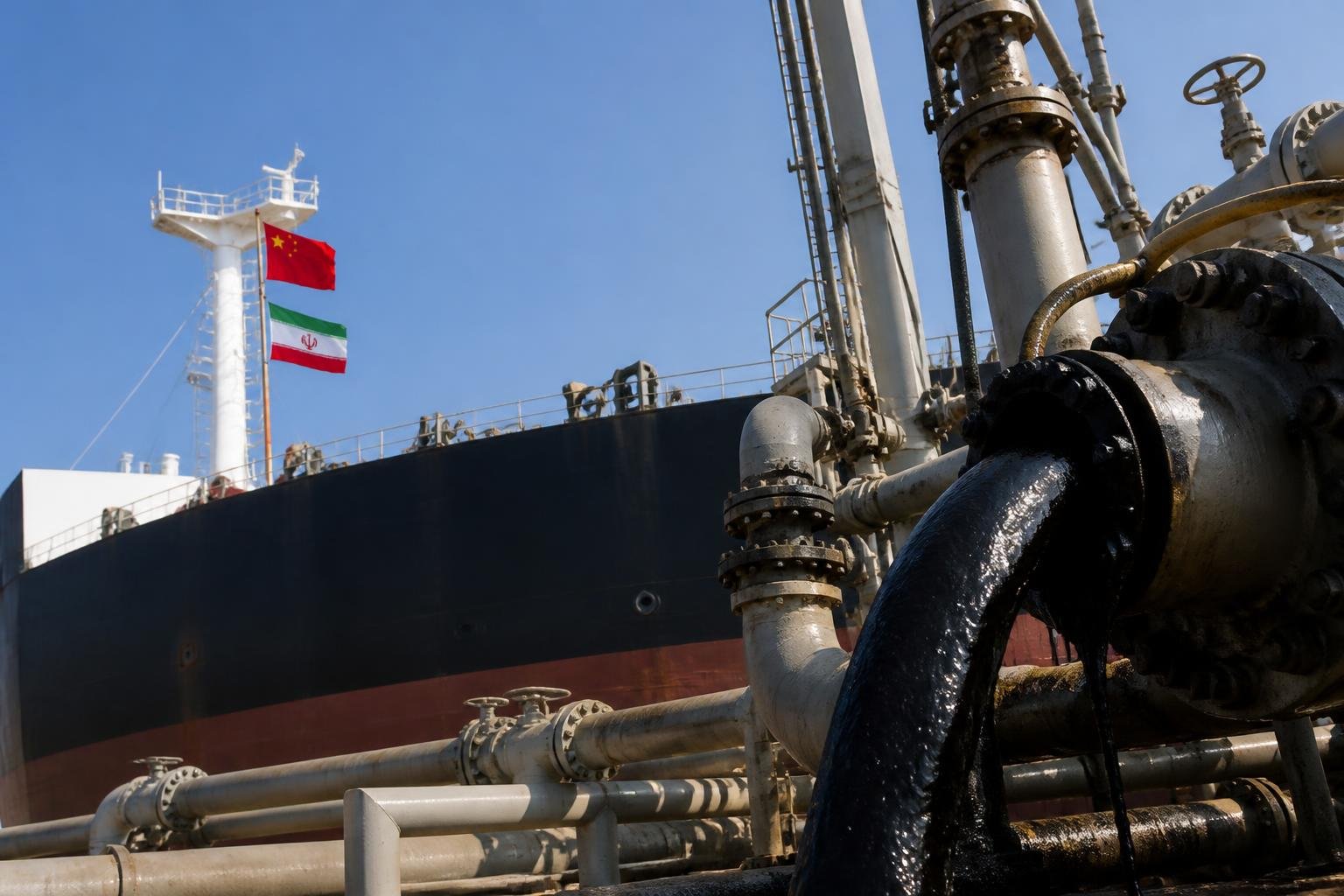
On 22 June 2026, the US Treasury Department issued General License X (GL X), a temporary 60-day authorisation legalising the production, delivery, and sale of Iranian crude oil, petrochemicals, and petroleum products through 21 August 2026. The relief is part of a broader Memorandum of Understanding between the US and Iran, signed on 17 June 2026, aimed at ending military hostilities.
According to geopolitical expert Brett Erickson at Obsidian Risk Advisors, this means in practice that the relief does not create a new revenue stream for Iran, but makes the existing one "far more profitable" by potentially eliminating sanctions-driven discounts and simplifying payment infrastructure.
China's dominance in Iranian oil trade
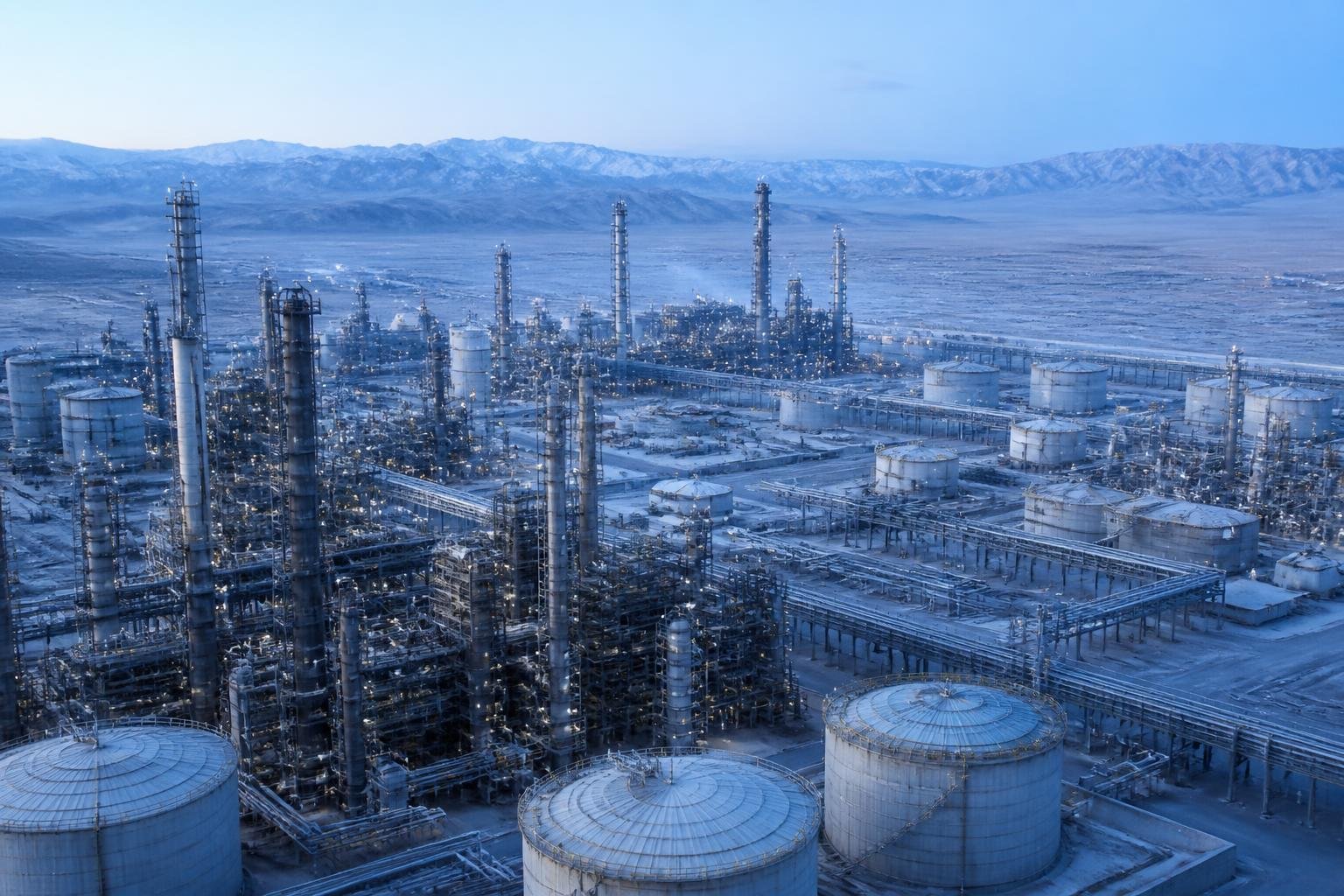
China has over a long period absorbed an estimated 90 percent of Iran's oil exports, building up a complex system to circumvent US sanctions. This includes the use of a shadow fleet of more than 1,500 vessels operating without transponders, re-labelling of oil as Malaysian or Middle Eastern after illicit ship-to-ship transfers, and payments in Chinese yuan through banks already subject to US sanctions.
The so-called "teapot" refineries in particular – small, independent facilities in Shandong province – have been the backbone of China's imports of sanctioned Iranian oil. Reuters and Kpler now report that state-owned giants such as Sinopec and PetroChina are considering resuming imports, as GL X provides them with a legal window.
Sumit Ritolia, lead analyst at Kpler, stresses that "the biggest beneficiary of any sanctions exemption on Iranian oil will likely be China, which needs crude oil for both refining and strategic stockpiling."
Rivals wait and watch
Despite the temporary opening, Asian rivals are cautious. South Korean, Japanese, and Indian refineries – all of which were pre-qualified to bid on Iranian contracts when the JCPOA was implemented in 2016 – are keeping to the shadows. They cite existing surplus inventories, the short-term duration of the 60-day window, and political uncertainty as deterrents, according to industry sources.
Lynn Song, Chief Economist for Greater China at ING, warned in June 2026 that there is "still uncertainty around the duration of this agreement" and that there is no immediate enthusiasm for lifting existing sanctions on Chinese importers.
European absence – a strategic gap
When the JCPOA was concluded in 2016, European companies such as Total, Shell, Eni, and Wintershall were queuing up to take part in Iran's energy sector. Now Europe is effectively out of the picture: British and European sanctions on Iran's energy sector are not covered by the US GL X authorisation, which complicates financing, insurance, and broader trade relations for companies in these regions.
This gap is precisely what Beijing is exploiting. While the West sits on the fence, China's state bank-backed companies are laying the groundwork for infrastructure deals – including airports and refineries – partly financed through a barter system in which oil is exchanged for project delivery, according to Western government estimates.
What happens after 21 August?
The key question is what happens when the temporary US-issued GL X authorisation expires on 21 August. Analysts are divided. If the MOU between the US and Iran leads to a more permanent agreement, Erickson estimates that Iran could generate $35 billion in additional annual oil revenues above 2025 levels. But uncertainty over the deal's durability means that most players – China aside – are not ready to make lasting commitments.
For Norway, the news is indirectly relevant: increased Iranian oil exports could put downward pressure on crude prices, which over time may affect Equinor's earnings and the oil fund's returns. The Brent price remained volatile throughout week 26 in line with the flow of news from the Middle East.
This article was written using large language models under editorial supervision by Aprex. Content is source-verified and auditable. Read our method →