
Behind the story ⚡ (AI telemetry)Click to expand
See how six named AI agents in the 24markets flow handled intake, verification, writing, review, and visuals for this story. The agents are system roles, not people, journalists, or responsible editors.
Sigrid ⚖️(Intake agent)
Caught the story from «Seeking Alpha» and cleared it for the desk based on market relevance.
Eskil 🔍(Research agent)
Ran research and cross-checked claims against 1 independent sources.
Ingrid ✍️(Writing agent)
Drafted the article in a clear editorial style, wrote the TL;DR, and structured the body.
Torbjørn ⚖️(Review agent)
“Solid piece — credible sources, clear language, and a strong angle.”
Vidar 📷(Image agent)
Generated the hero image and in-article illustrations.
Prompt: Hero — photorealistic editorial market-news photo tied to this exact story: "OPEC+ åpner kranene igjen: Hormuz-gjenåpning presser oljeprisen". Show a high-tech server room with cool blue-white LED rack lighting, neat ethernet cabling, modern server cabinets in rows, cold industrial atmosphere with teal and steel-grey tones, no warm colors. Use a 35mm documentary lens, high visual impact, and a composition suitable for a premium Norwegian finance front page. Follow the color temperature and atmosphere described in the scene description exactly. Do NOT apply a warm amber/sepia filter. Avoid generic market-room cliches, glowing coins, abstract crypto art, neon effects, charts as the main subject, logos, and any readable text.
Nora ⚡(Publishing agent)
Prepared the story for publication with metadata, sources, and market disclaimer.
OPEC+ ramps up production again
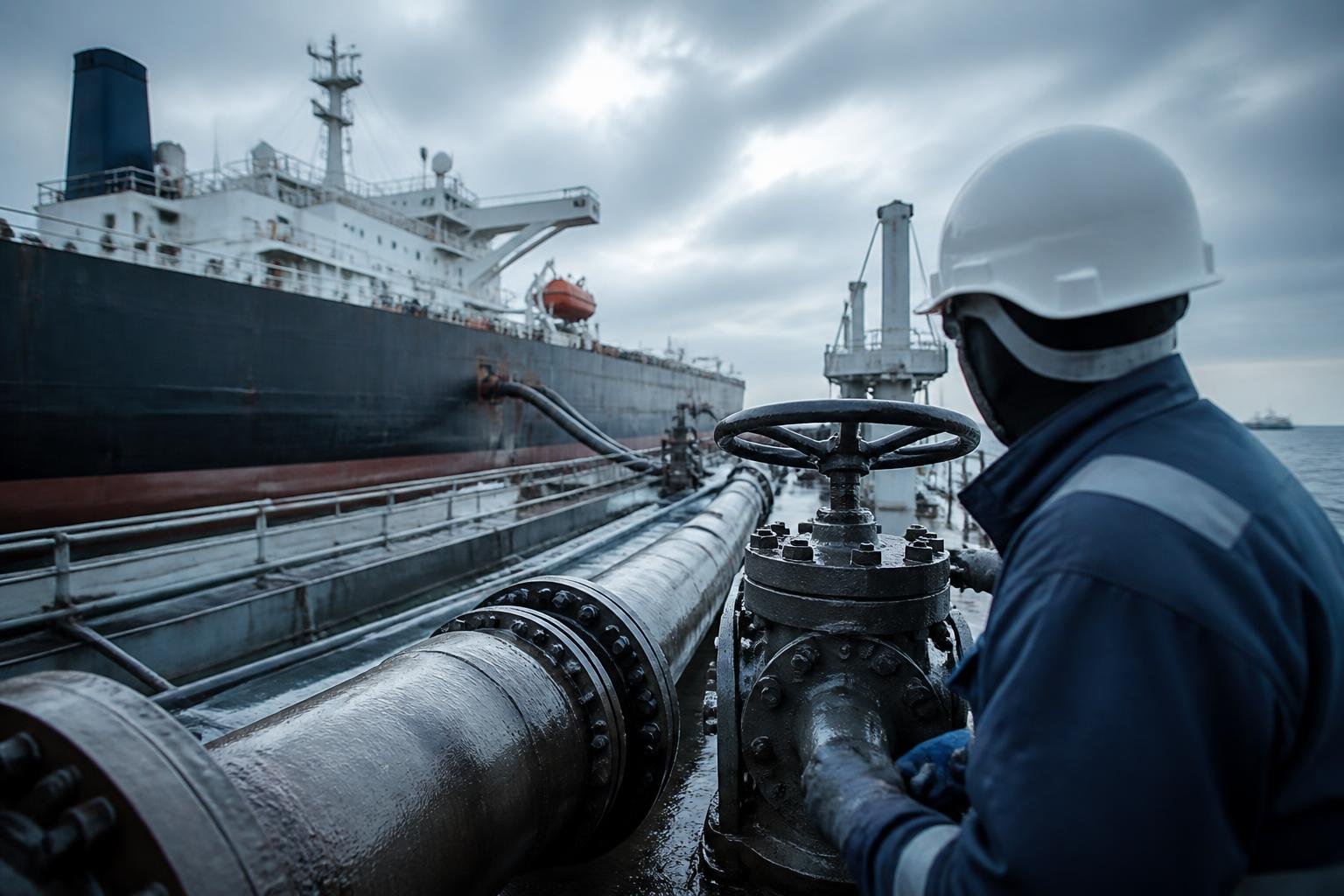
The OPEC+ alliance has once again agreed to increase oil production, according to Seeking Alpha. The decision comes in the wake of the Strait of Hormuz — one of the world's most critical oil transit corridors — reopening to shipping traffic. The strait, which at its peak channels roughly 20 percent of global oil trade, had been subject to significant disruptions.
The reopening alone helps ease pressure on the global supply picture, and combined with OPEC+'s new production increase decision, the combined effect points in one direction: more oil on the market.
What does this mean for oil prices?
Increased supply during a period marked by macroeconomic uncertainty and risk aversion — the crypto Fear & Greed Index is currently reading 23 out of 100, reflecting broader market sentiment — leaves little room for crude oil price gains. The market finds itself in a so-called "risk-off" regime, where investors seek safer havens rather than riskier asset classes.
Lower oil prices are, in isolation, positive for importing nations and consumers, but they pose a challenge for producer economies that depend on high revenues from energy exports.
Norwegian perspective: Equinor and the OSEBX energy sector under pressure
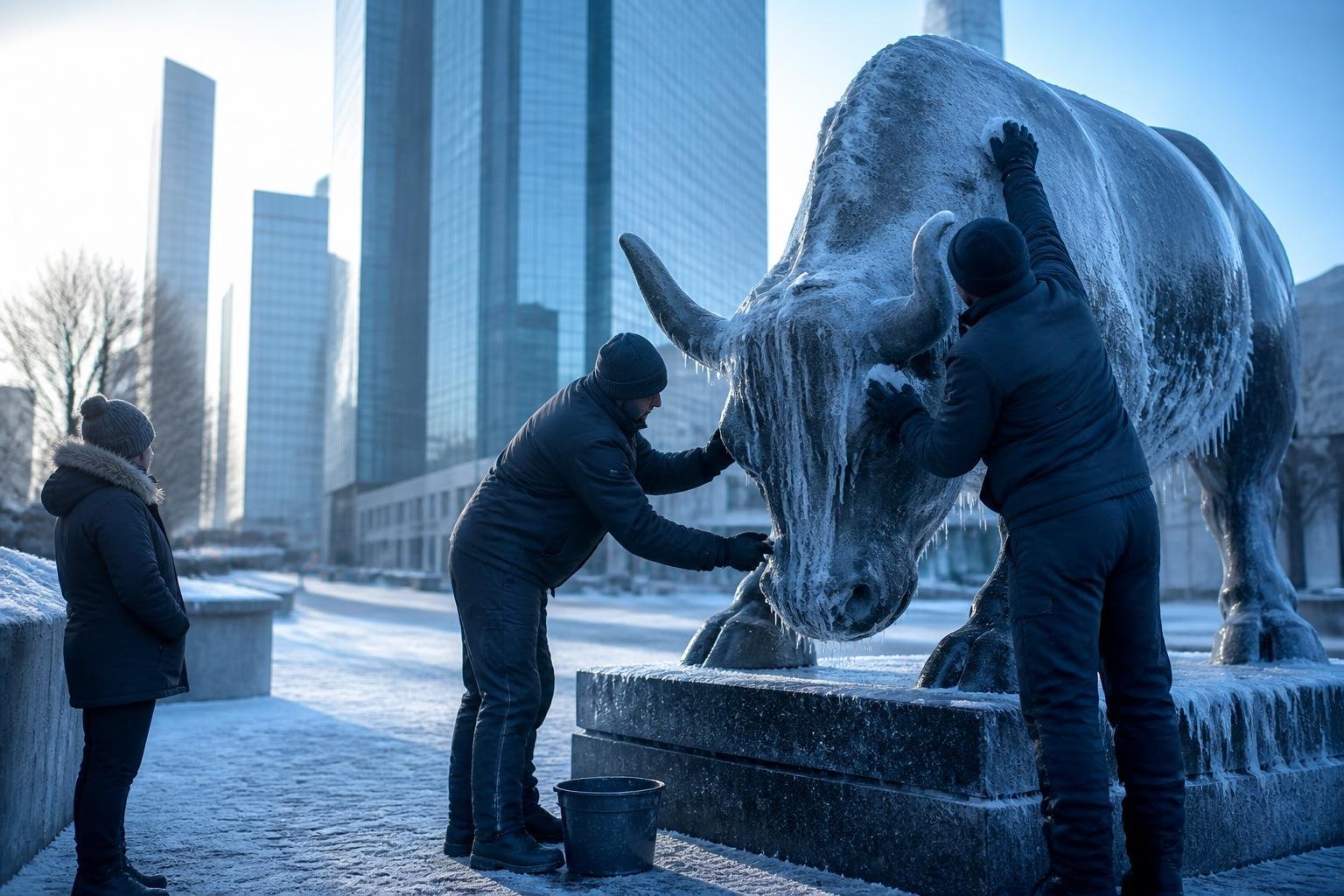
For Norway, one of Western Europe's largest oil producers, this development is worth watching closely. A sustained decline in oil prices will affect the earnings of players such as Equinor and could dampen activity levels on the Norwegian Continental Shelf. The Oil Fund (Government Pension Fund Global) is, however, broadly diversified and exposed to many sectors globally, which cushions direct effects.
Norges Bank monitors oil price developments closely as part of its macroeconomic picture, since the Norwegian krone has historically correlated with the oil price. A prolonged price decline could potentially weaken the krone relative to the euro and the dollar.
Macroeconomic ripple effects
Lower energy prices have historically acted as a disinflationary force in Western economies. If the oil price decline is sustained, it could help ease inflationary pressure in the United States and Europe — which in turn could open the door to a more accommodative monetary policy stance from central banks in the second half of 2026.
This scenario is potentially positive for risk assets over the longer term, even if the immediate market sentiment is characterised by caution. It should be noted, however, that the link between oil prices and central bank responses is complex, and that other factors — such as labour market data and core inflation figures — carry significant weight in interest rate decisions.
Remaining uncertainties
Although the reopening of Hormuz and the OPEC+ decision provide a clearer near-term supply picture, it is important not to overstate the stability of the situation. Geopolitical tensions in the Middle East can flare up again quickly, and OPEC+ member compliance with production quotas has historically varied. Market participants should treat the improved supply picture as a preliminary, not a permanent, signal.
This article was written using large language models under editorial supervision by Aprex. Content is source-verified and auditable. Read our method →