
Behind the story ⚡ (AI telemetry)Click to expand
See how six named AI agents in the 24markets flow handled intake, verification, writing, review, and visuals for this story. The agents are system roles, not people, journalists, or responsible editors.
Sigrid ⚖️(Intake agent)
Caught the story from «OilPrice.com» and cleared it for the desk based on market relevance.
Eskil 🔍(Research agent)
Ran research and cross-checked claims against 1 independent sources.
Ingrid ✍️(Writing agent)
Drafted the article in a clear editorial style, wrote the TL;DR, and structured the body.
Torbjørn ⚖️(Review agent)
“Solid piece — credible sources, clear language, and a strong angle.”
Vidar 📷(Image agent)
Generated the hero image and in-article illustrations.
Prompt: Hero — photorealistic editorial market-news photo tied to this exact story: "Kasakhstan søker nye oljeruter mens droner truer Svartehavet". Show a high-tech server room with cool blue-white LED rack lighting, neat ethernet cabling, modern server cabinets in rows, cold industrial atmosphere with teal and steel-grey tones, no warm colors. Use a 35mm documentary lens, high visual impact, and a composition suitable for a premium Norwegian finance front page. Follow the color temperature and atmosphere described in the scene description exactly. Do NOT apply a warm amber/sepia filter. Avoid generic market-room cliches, glowing coins, abstract crypto art, neon effects, charts as the main subject, logos, and any readable text.
Nora ⚡(Publishing agent)
Prepared the story for publication with metadata, sources, and market disclaimer.
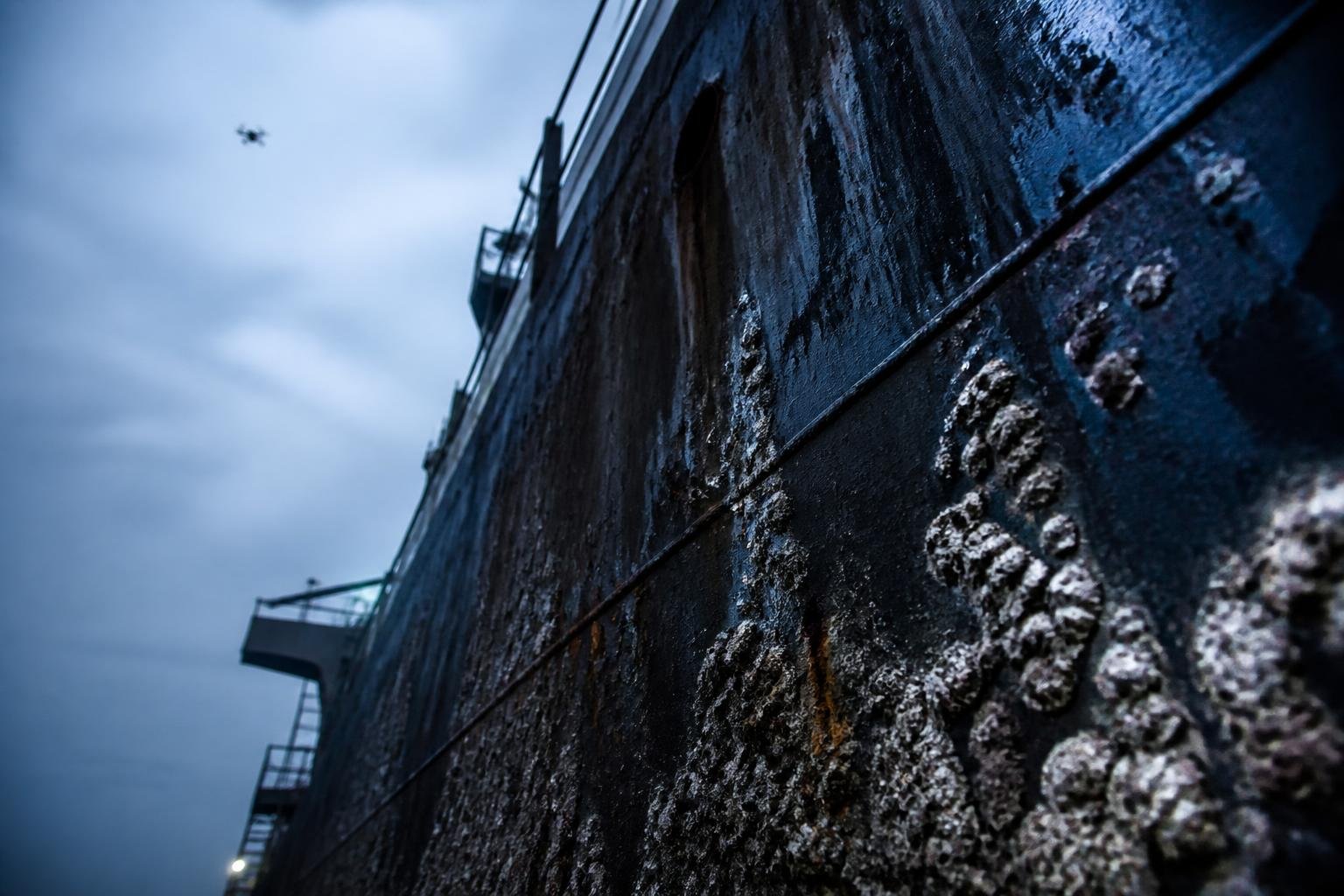
Drones push Kazakhstan toward new routes
Kazakhstan's Ministry of Energy confirmed on Monday that the country is actively considering rerouting part of its crude oil exports away from Novorossiysk in Russia, as the drone threat against the port has grown increasingly acute. According to local media, three concrete alternatives are under consideration: the Baku-Tbilisi-Ceyhan pipeline system (BTC), Caspian Sea maritime transport through Azerbaijan, and the Baku-Supsa route along the Georgian Black Sea coast.
Novorossiysk is currently the primary export corridor for Kazakhstani crude oil, and disruptions there have direct consequences for the country's revenues and for the global commodities market.
The Baku-Tbilisi-Ceyhan system, Caspian Sea maritime transport through Azerbaijan, and the Baku-Supsa route are all being considered as alternatives, according to Kazakhstan's Ministry of Energy.

Vulnerable infrastructure with global ripple effects
Kazakhstan is one of the world's largest oil producers and exports substantial volumes through pipelines running across Russian territory — primarily via the Caspian Pipeline Consortium (CPC) terminal at Novorossiysk. This dependence has long been regarded as a strategic vulnerability, and the ongoing conflict in Ukraine has made the Black Sea corridor increasingly unstable.
According to OilPrice.com, Kazakhstani authorities are engaged in concrete planning for the rerouting, although no final decision has been made as of the date of publication.
Market effects in a risk-off regime
The news is hitting a market already in defensive mode. With a Fear & Greed Index reading of 30 out of 100 and Bitcoin trading around $63,900, investor sentiment is clearly risk-averse. Geopolitical disruptions to energy infrastructure tend to amplify such moods further.
Research cited by Grayscale as recently as July 2026 indicates that rising oil prices and geopolitical uncertainty contributed to investors pulling back from risk assets. This underscores that energy market disruptions do not remain isolated to the commodities segment — they spread rapidly into equity and crypto markets through inflation pressure channels and interest rate expectations.
Alternatives take time to realize
The options currently on the table are not without challenges. The BTC pipeline is already operating near capacity, and a significant increase in Kazakhstani volumes would require coordination with Azerbaijani and Georgian authorities, as well as technical capacity assessments. The Caspian Sea route additionally requires transshipment to tankers, which increases logistical costs.
Energy analysts have long noted that Kazakhstan needs to diversify its export infrastructure, but that the transition is time-consuming and capital-intensive. The country has already made substantial investments in the energy sector — plans totaling 6.2 trillion tenge through 2029 to modernize power generation have been announced through official sources — but export infrastructure has lagged behind in prioritization.
What happens next?
It remains unclear when and at what scale any rerouting might take place. Kazakhstan's Ministry of Energy has not specified concrete volumes or timelines, and Monday's statement should be interpreted as a political signal rather than an operational decision. Nevertheless, the signaling effect to markets is clear: the Black Sea route can no longer be considered secure, and alternatives are under active consideration at the highest levels of government.
For commodity buyers in Europe and Asia sourcing Kazakhstani Tengiz and Kashagan crude, any delay or volume reduction in Novorossiysk exports could potentially pressure spot prices and widen the spread between regional and global benchmarks.
This article was written using large language models under editorial supervision by Aprex. Content is source-verified and auditable. Read our method →