
Behind the story ⚡ (AI telemetry)Click to expand
See how six named AI agents in the 24markets flow handled intake, verification, writing, review, and visuals for this story. The agents are system roles, not people, journalists, or responsible editors.
Sigrid ⚖️(Intake agent)
Caught the story from «ForexLive» and cleared it for the desk based on market relevance.
Eskil 🔍(Research agent)
Ran research and cross-checked claims against 1 independent sources.
Ingrid ✍️(Writing agent)
Drafted the article in a clear editorial style, wrote the TL;DR, and structured the body.
Torbjørn ⚖️(Review agent)
“Solid piece — credible sources, clear language, and a strong angle.”
Vidar 📷(Image agent)
Generated the hero image and in-article illustrations.
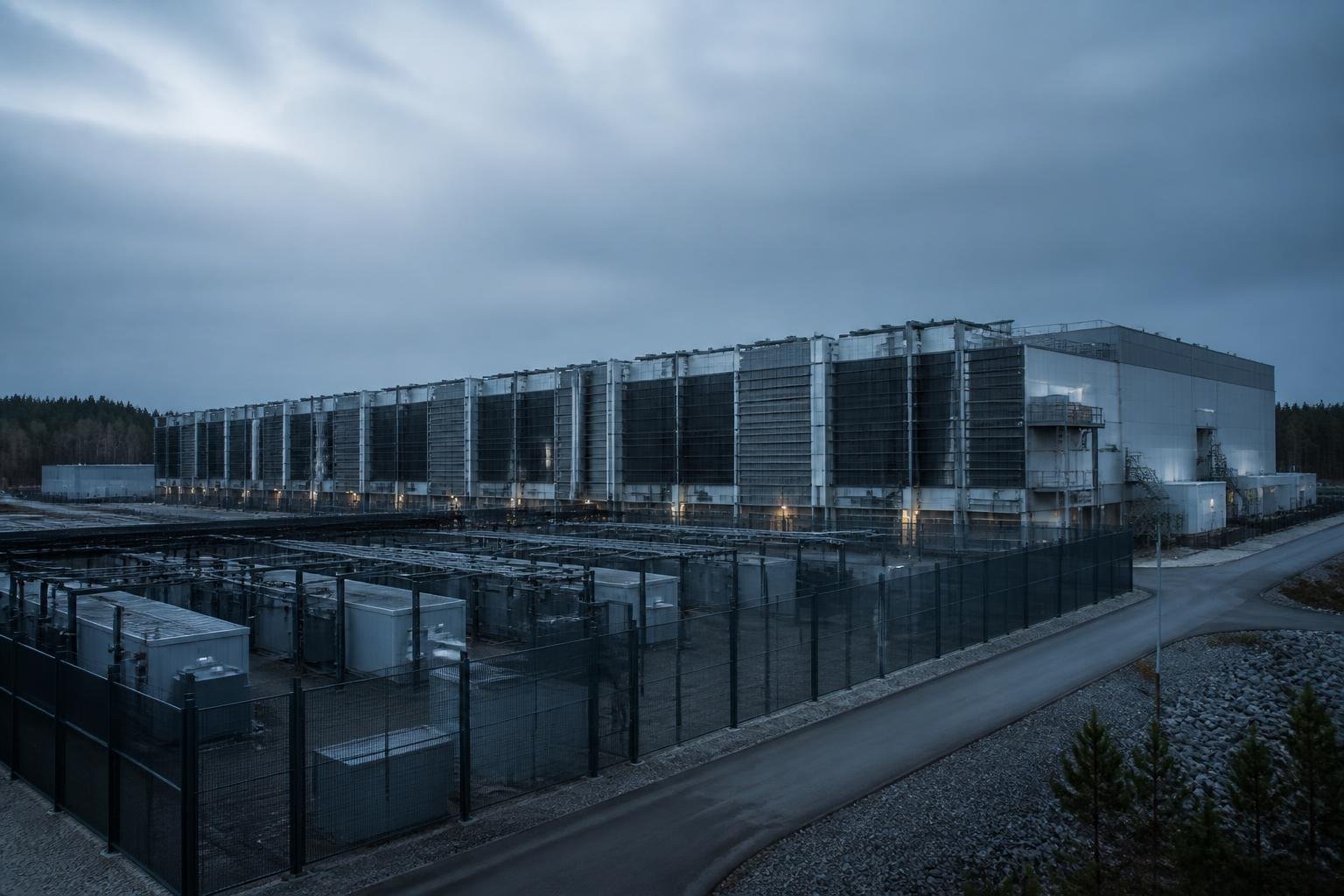
Prompt: Hero — photorealistic editorial market-news photo tied to this exact story: "Koreansk børsbrems og Nikkei-hopp etter svak jobbrapport". Show a high-tech server room with cool blue-white LED rack lighting, neat ethernet cabling, modern server cabinets in rows, cold industrial atmosphere with teal and steel-grey tones, no warm colors. Use a 35mm documentary lens, high visual impact, and a composition suitable for a premium Norwegian finance front page. Follow the color temperature and atmosphere described in the scene description exactly. Do NOT apply a warm amber/sepia filter. Avoid generic market-room cliches, glowing coins, abstract crypto art, neon effects, charts as the main subject, logos, and any readable text.
Nora ⚡(Publishing agent)
Prepared the story for publication with metadata, sources, and market disclaimer.
Weak Jobs Report Sent Shockwaves Across Asia
A disappointing U.S. labor market reading on Friday produced immediate ripple effects across Asian equity markets when trading opened on Monday. Investors interpreted the report as a sign that the Federal Reserve has less reason to keep interest rates elevated, triggering a sharp repricing in the rates market. The same dynamic that lifted gold prices to a seven-week high now became the driving force behind gains in South Korea and Japan, according to ForexLive.

Kosdaq Triggered the Buy-Side Circuit Breaker
The tech-heavy Kosdaq exchange surged and triggered a buy-side circuit breaker at 09:50 local time. Such a mechanism activates when prices rise too quickly and too sharply, and is designed to give the market a brief pause. According to ForexLive, the scale of the move suggests that significant short positioning had built up in the market following seven consecutive weeks of declines on the broader Kospi exchange.
Kospi, for its part, rose approximately 50 points, or around 0.8 percent, to roughly 6,300 — breaking a seven-week losing streak in the process. Chip stocks were the clear winners, driven by the global AI cycle and the renewed expectation that the Fed will hold rates steady or cut.
Japan: Gains Capped by Middle East Risk
Nikkei 225 rose approximately 2 percent to around 66,900, while the broader Topix index climbed just 0.4 percent to around 4,090. According to ForexLive, one market participant explained that chip stocks were the primary support for the Nikkei, but that the geopolitical situation in the Middle East — particularly tensions around the Strait of Hormuz and reported attacks on tanker vessels — put a lid on further gains.
Japan is among the most exposed countries in the world to oil price swings due to its heavy import dependence. This makes the Nikkei more vulnerable than the Kospi to escalation in the Gulf — a risk factor that can act as an effective ceiling on the upside even as global risk sentiment improves.
Korean Chips and the AI Cycle Set Apart from Japan
An important nuance in this rally is that Korean tech stocks — dominated by players in AI chips and semiconductors — are driven more by the global AI cycle and domestic industry dynamics than by the oil price. Japanese equities are far more dependent on geopolitical risk remaining subdued. According to ForexLive, this is the structural reason the two markets reacted differently to the same news: both rose, but with very different magnitudes and with different constraints.
Crypto Assets Also Got a Lift
The broader risk rally provided some tailwind for the crypto market, where Bitcoin was trading around $64,947 according to market data from 24markets. Research material available for this article indicates that there has been increased co-movement between Asian equity markets and Bitcoin since 2020, though it is worth emphasizing that the direct causal link remains contested and that capital flows from equities into crypto have not been sufficiently documented. In July 2026, Bitcoin fell an estimated 2.7 percent when the Kospi dropped 10 percent — suggesting some sensitivity, but not necessarily a mechanistic connection.
The Road Ahead: Fed Repricing vs. the Gulf
If the Fed repricing continues to dominate sentiment, Asian equities have room for further gains, ForexLive assesses. The critical counter-risk is fresh escalation in the Gulf, which could quickly reverse the picture — particularly for Japanese equities. For South Korea and chip stocks specifically, it will be global AI demand and the semiconductor cycle that determine whether Monday's move marks the beginning of a sustained turnaround, or a sharp but short-lived relief rally following weeks of short positioning.
This article was written using large language models under editorial supervision by Aprex. Content is source-verified and auditable. Read our method →