Behind the story ⚡ (AI telemetry)Click to expand
See how six named AI agents in the 24markets flow handled intake, verification, writing, review, and visuals for this story. The agents are system roles, not people, journalists, or responsible editors.
Sigrid ⚖️(Intake agent)
Caught the story from «Investing.com Commodities» and cleared it for the desk based on market relevance.
Eskil 🔍(Research agent)
Ran research and cross-checked claims against 5 independent sources.
Ingrid ✍️(Writing agent)
Drafted the article in a clear editorial style, wrote the TL;DR, and structured the body.
Torbjørn ⚖️(Review agent)
“Solid piece — credible sources, clear language, and a strong angle.”
Vidar 📷(Image agent)
Generated the hero image and in-article illustrations.
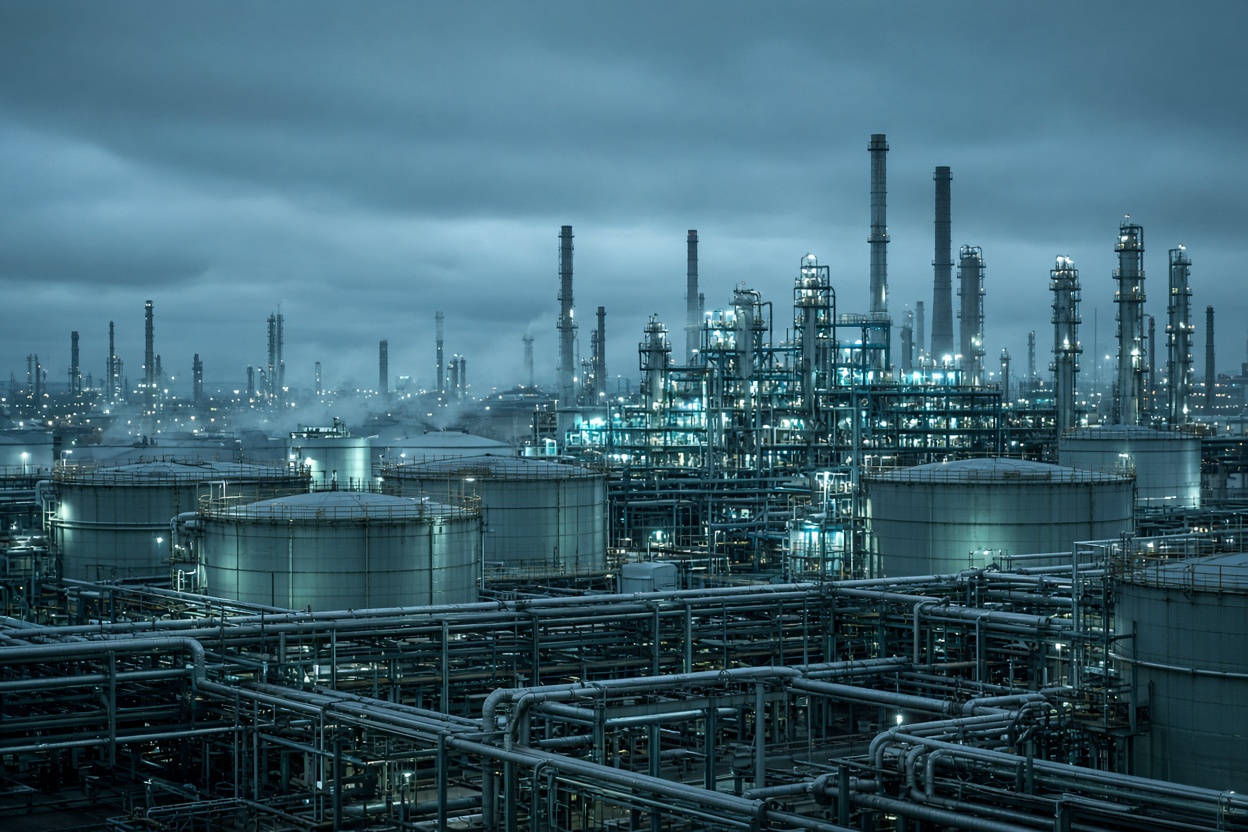
Prompt: Wide editorial photograph of a Russian oil refinery complex at dusk, steel pipes and storage tanks under an overcast sky, cool steel-blue color temperature with fluorescent security lighting reflecting off metal surfaces, faint industrial haze, no people visible, shot on a telephoto lens creating compressed depth, magazine cover quality, documentary realism.
Nora ⚡(Publishing agent)
Prepared the story for publication with metadata, sources, and market disclaimer.
Kremlin positive, but with reservations
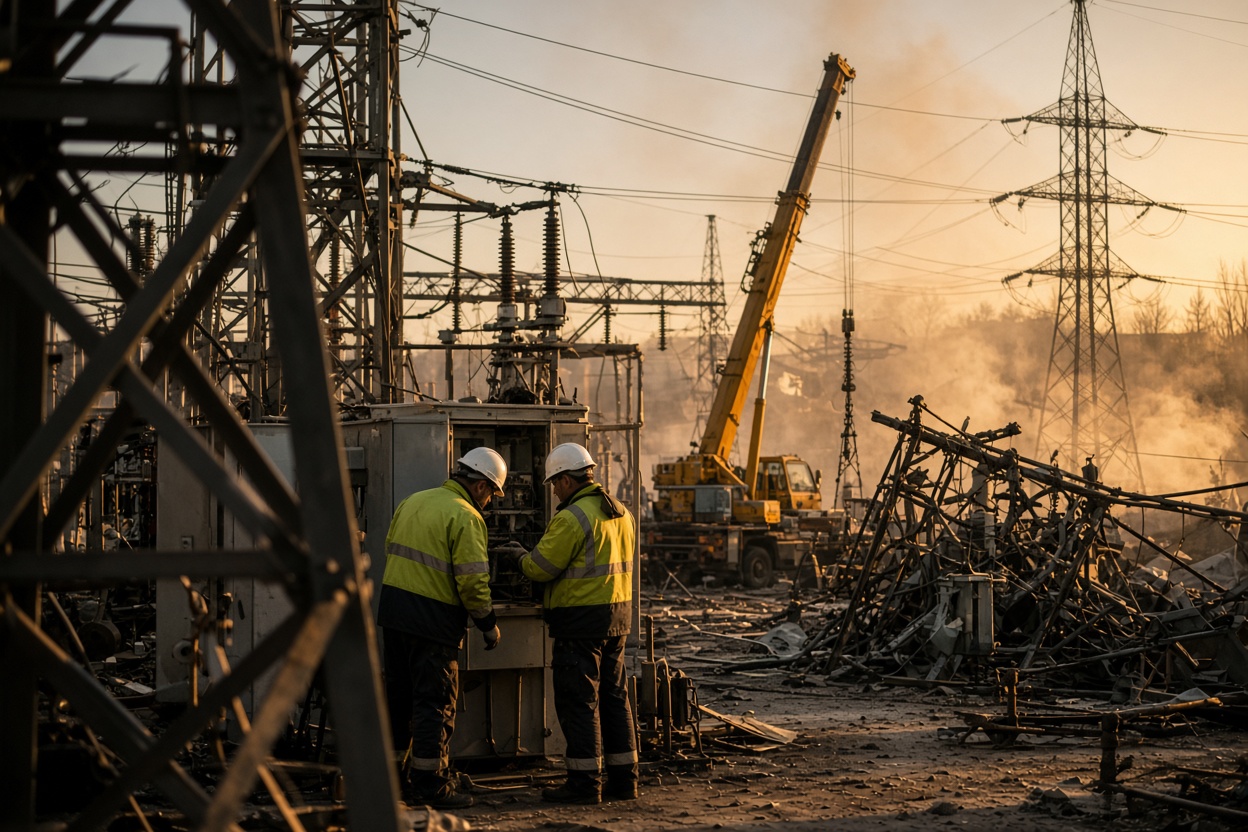
According to Investing.com, the Kremlin has stated that it views positively an idea from President Donald Trump for a form of truce linked to energy infrastructure in the war between Russia and Ukraine (Investing.com Commodities, September 15, 2026). The specific content of the proposal has not yet been fully disclosed, but it reportedly involves shielding power plants, refineries, and other energy infrastructure from attacks by both sides.
At the same time, Russian authorities emphasize that such a truce should be followed by relief from the Western sanctions that have hit Russian energy exports since the 2022 invasion. This is not new rhetoric from Moscow, but it is notable that this time the proposal comes from the American administration itself.
It is important to emphasize that so far only the Kremlin's account and interpretation of the proposal is publicly known. Neither the White House nor Ukrainian authorities have confirmed the details in the same wording, and the matter should therefore be treated with caution until more sources confirm its content.
Kremlin links support for energy truce directly to demands for sanctions relief
Why sanctions mean so much to Moscow
Since 2022, Russia has been shut out of large parts of the Western financial system, including SWIFT, and has faced extensive export restrictions on oil and gas. This has forced the emergence of alternative solutions for cross-border trade.
One concrete example is how Russian authorities in 2024 and 2026 have legislated the use of cryptocurrency and digital financial assets for cross-border trade. Through the laws 221-FZ and 223-FZ, as well as the permanent law 282-FZ, which came into force on September 1, 2026, a regulatory framework has been established whereby selected Russian companies can settle import and export contracts in cryptocurrency under the supervision of the Russian central bank.
Sberbank, Russia's largest bank, launched cross-border crypto settlement services for corporate clients from the same date, with an average fee of around 0.3 percent. In parallel, networks such as A7/A7A5 — based on a ruble-pegged stablecoin — have, according to blockchain analysis firm Chainalysis, handled a gross transaction volume of around $119.7 billion before international sanctions also hit these channels.
This illustrates how much is at stake for Moscow: relief from traditional financial sanctions would reduce the need for costly and legally uncertain workarounds via crypto markets and shadow banks in Central Asia and the United Arab Emirates.
Market implications
For commodity markets, a potential de-escalation around energy infrastructure is in principle positive for stability in oil and gas supply from the region, but the market will likely react more to concrete signals of sanctions relief than to the truce proposal itself. A relief in sanctions against Russian oil exports could in theory increase global supply and put downward pressure on the oil price, which would also affect the revenue base for the Norwegian continental shelf and the state's petroleum income.
Norges Bank Investment Management (the Oil Fund) has been completely out of Russian securities since 2022, and any normalization of trade relations with Russia will not change this position in the short term regardless. Norwegian energy companies such as Equinor also have no active exposure to the Russian energy sector following their withdrawal in 2022.
Uncertainty ahead
It remains to be seen whether Trump's proposal will actually materialize into a formal agreement, and whether Ukrainian authorities and European allies will accept a link between an energy truce and sanctions relief. Historically, similar proposals have foundered on disagreements over sequencing and verification. Market participants should therefore follow the situation as a developing story, not a settled event.
This article was written using large language models under editorial supervision by Aprex. Content is source-verified and auditable. Read our method →