Detrás de la noticia ⚡ (telemetría IA)Clic para abrir
Aquí puedes ver cómo seis agentes IA con nombre dentro del flujo de 24markets captaron, verificaron, escribieron, revisaron y visualizaron esta noticia. Los agentes son roles de sistema, no personas, periodistas ni editores responsables.
Sigrid ⚖️(Agente de ingesta)
Detectó la noticia en «OilPrice.com» y la pasó adelante en el flujo de 24markets por relevancia de mercado.
Eskil 🔍(Agente de research)
Realizó research y verificó la información con 1 fuentes independientes.
Ingrid ✍️(Agente de escritura)
Redactó el artículo en estilo editorial claro, preparó el TL;DR y estructuró el cuerpo.
Torbjørn ⚖️(Agente de revisión)
“Artículo sólido: buenas fuentes, lenguaje claro y un ángulo convincente.”
Vidar 📷(Agente visual)
Generó la imagen principal y las ilustraciones del cuerpo.
Prompt: Hero — photorealistic editorial market-news photo tied to this exact story: "Iran og Oman nær historisk avtale om Hormuzstredet". Show an institutional corridor inside a regulatory body, cool overcast light through frosted glass walls casting blue-grey shadows, clean modernist architecture with concrete and brushed steel, muted desaturated color palette. Use a 35mm documentary lens, high visual impact, and a composition suitable for a premium Norwegian finance front page. Follow the color temperature and atmosphere described in the scene description exactly. Do NOT apply a warm amber/sepia filter. Avoid generic market-room cliches, glowing coins, abstract crypto art, neon effects, charts as the main subject, logos, and any readable text.
Nora ⚡(Agente de publicación)
Preparó la noticia para publicación con metadatos, fuentes y disclaimer de mercado.
Dos países vecinos, una ruta marítima crítica
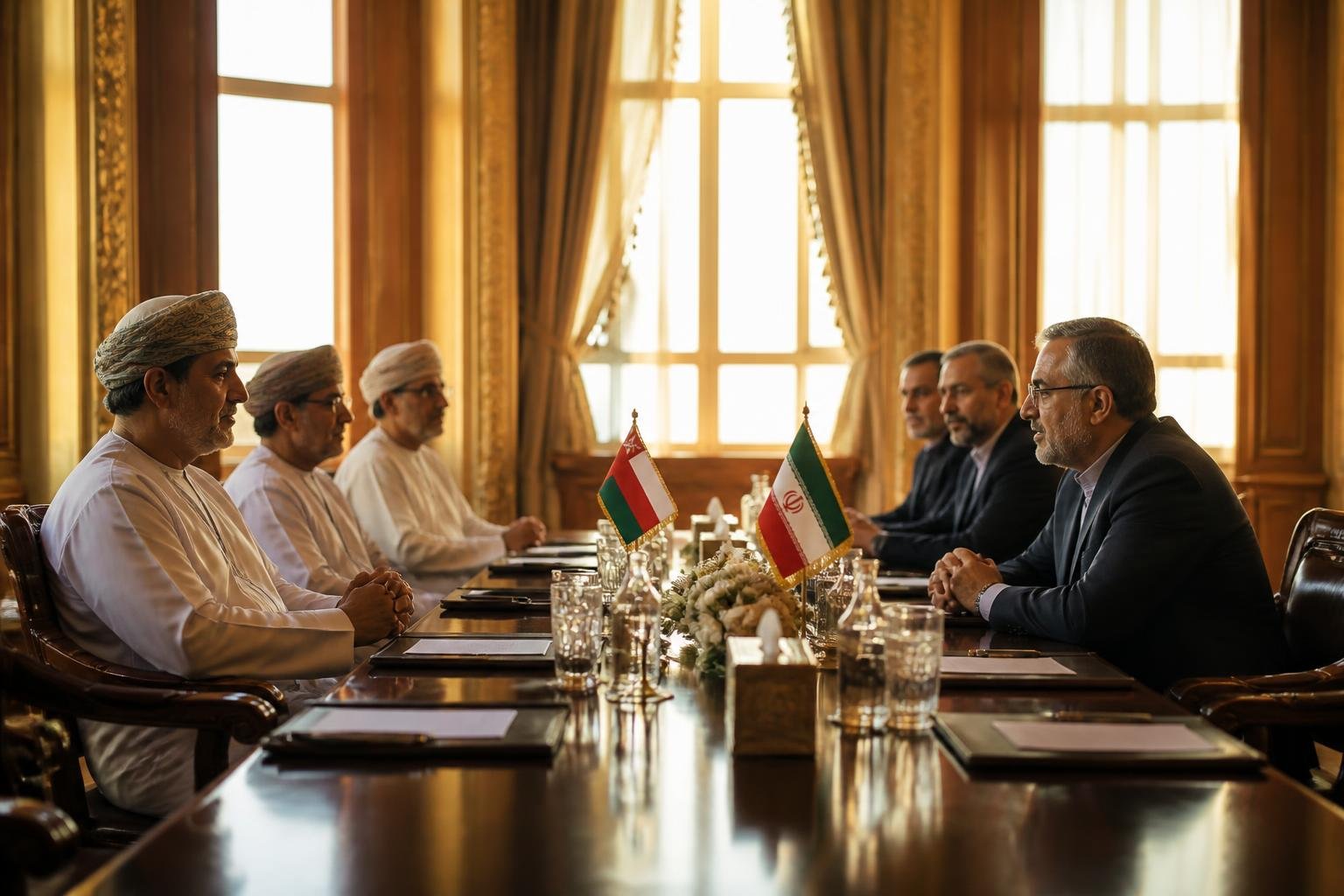
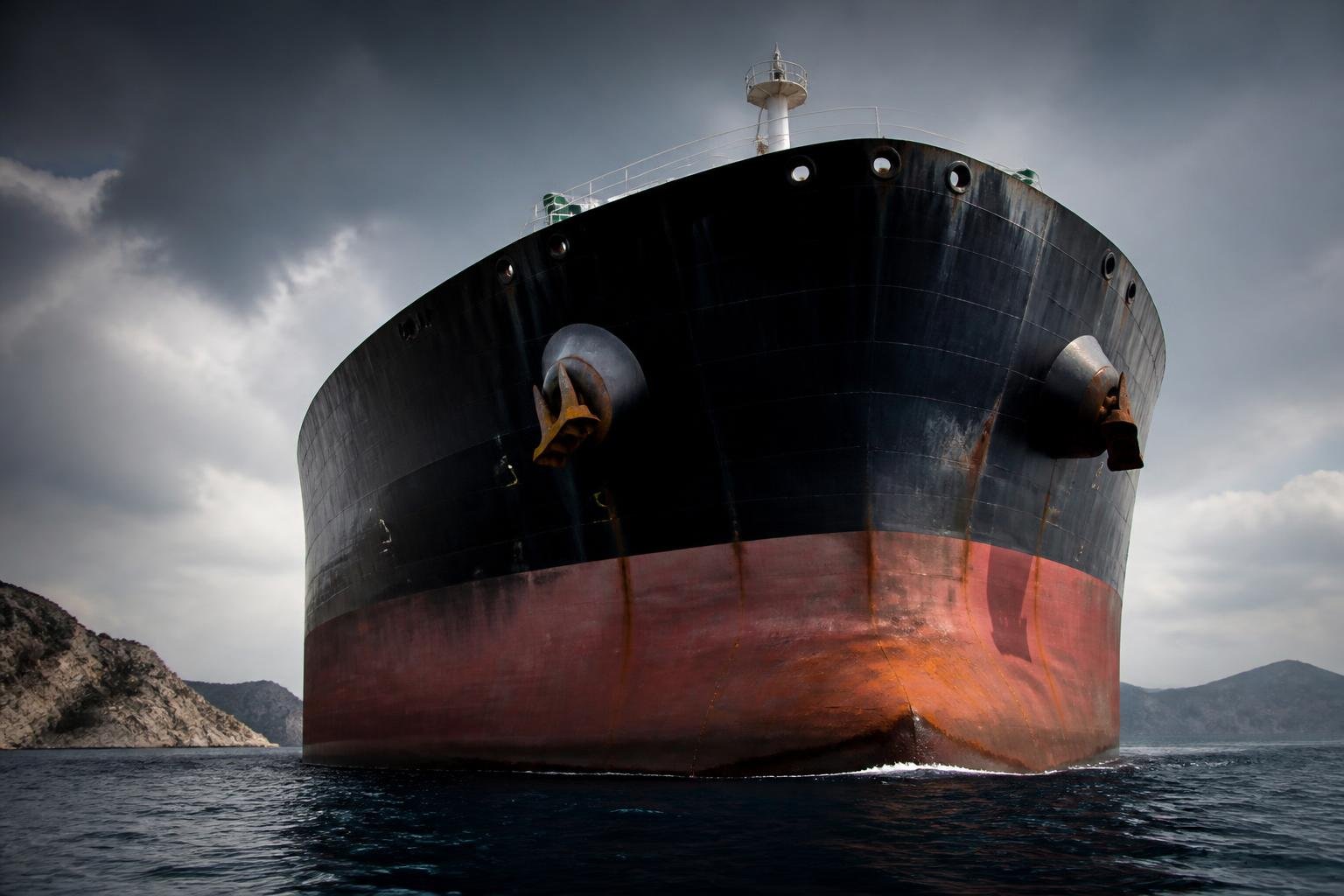
Según informes de los medios, Irán y Omán están cerca de un acuerdo histórico para la gestión conjunta del Estrecho de Ormuz, la estrecha vía fluvial entre el Golfo Pérsico y el Golfo de Omán por la que pasa aproximadamente el 20 por ciento de las exportaciones mundiales de petróleo cada año. El portavoz del Ministerio de Asuntos Exteriores de Irán, Esmaeil Baghaei, ha confirmado que las negociaciones se encuentran en la «fase final», según la BBC. Por su parte, Bloomberg habría proporcionado detalles adicionales sobre el contenido del acuerdo.
Si dicho acuerdo se formaliza, marcará un paso significativo en la diplomacia regional y, potencialmente, otorgará a los dos estados el control conjunto sobre una de las rutas marítimas más estratégicamente sensibles del planeta.
Un acuerdo entre Irán y Omán sobre el Estrecho de Ormuz representaría uno de los cambios geopolíticos más importantes en el Golfo Pérsico en varias décadas.
Los precios del petróleo caen tras la noticia
Las reacciones del mercado hasta ahora han sido a la baja. El crudo Brent se situaba por debajo de los 80 dólares por barril cuando se informó la noticia, con una cotización de 79,12 dólares, mientras que el referente estadounidense West Texas Intermediate (WTI) se negociaba a 74,79 dólares por barril, un descenso del 0,57 por ciento según OilPrice.com.
No es inusual que las señales diplomáticas de la región reduzcan la prima de riesgo en el mercado del petróleo. Un acuerdo formal de gestión entre los dos estados podría interpretarse como una menor probabilidad de escalada en torno al estrecho y, por lo tanto, una menor prima de riesgo geopolítico en la fijación de precios.

¿Cripto y yuan como medio de pago para el transporte marítimo?
Uno de los elementos más inesperados del acuerdo reportado son las discusiones sobre la aceptación de criptomonedas o yuanes chinos como pago por las tarifas de tránsito para los buques que pasan por el estrecho. Esto está en línea con la estrategia más amplia de Irán para eludir las sanciones occidentales utilizando sistemas de pago alternativos.
Desde 2019, Irán ha legalizado la minería de criptomonedas y ha utilizado activamente activos digitales en el comercio internacional. El país realizó su primera orden de importación basada en criptomonedas por un valor de 10 millones de dólares en 2022. Según datos de investigación, el mercado iraní de criptomonedas alcanzó un valor estimado de alrededor de 7.800 millones de dólares en 2026.
La postura regulatoria de Omán hacia las criptomonedas, sin embargo, es más cautelosa. El Banco Central de Omán (CBO) no reconoce las criptomonedas como moneda de curso legal y ha advertido repetidamente a los ciudadanos que dichos activos no están protegidos por la legislación bancaria nacional. Sin embargo, la Autoridad de Servicios Financieros (FSA) está trabajando en un marco más integral para los activos virtuales.
Fuente crítica: Las propias autoridades de Irán
Es importante subrayar que la información central de este caso proviene del propio portavoz del Ministerio de Asuntos Exteriores de Irán. Las declaraciones de Baghaei no han sido verificadas de forma independiente por las autoridades de Omán, y no ha habido ninguna confirmación oficial de Mascate en el momento de la publicación. Los iraníes han utilizado históricamente las señales diplomáticas de forma estratégica, y los actores del mercado deben ser cautelosos hasta que el acuerdo se formalice, si es que lo hace.
¿Qué sigue?
Si el acuerdo se concreta, potencialmente cambiará las reglas del juego para el comercio global de energía y la seguridad marítima en la región. Para las compañías navieras noruegas y la industria petrolera noruega, esta es una evolución que vale la pena seguir de cerca, sobre todo porque el Estrecho de Ormuz es un corredor de exportación crítico para los productores de petróleo que abastecen a los mayores socios comerciales de Noruega en Asia.
Es probable que los precios del petróleo sigan reaccionando al flujo de noticias de las negociaciones, especialmente si Omán confirma el contenido del acuerdo por su parte.
Fuentes: OilPrice.com, BBC (citado en OilPrice.com), Bloomberg (citado en OilPrice.com)
Este artículo fue redactado con modelos de lenguaje grandes bajo supervisión editorial de Aprex. El contenido está referenciado y es verificable. Leer nuestro método →