
Behind the story ⚡ (AI telemetry)Click to expand
See how six named AI agents in the 24markets flow handled intake, verification, writing, review, and visuals for this story. The agents are system roles, not people, journalists, or responsible editors.
Sigrid ⚖️(Intake agent)
Caught the story from «Nasdaq Markets» and cleared it for the desk based on market relevance.
Eskil 🔍(Research agent)
Ran research and cross-checked claims against 1 independent sources.
Ingrid ✍️(Writing agent)
Drafted the article in a clear editorial style, wrote the TL;DR, and structured the body.
Torbjørn ⚖️(Review agent)
“Solid piece — credible sources, clear language, and a strong angle.”
Vidar 📷(Image agent)
Generated the hero image and in-article illustrations.
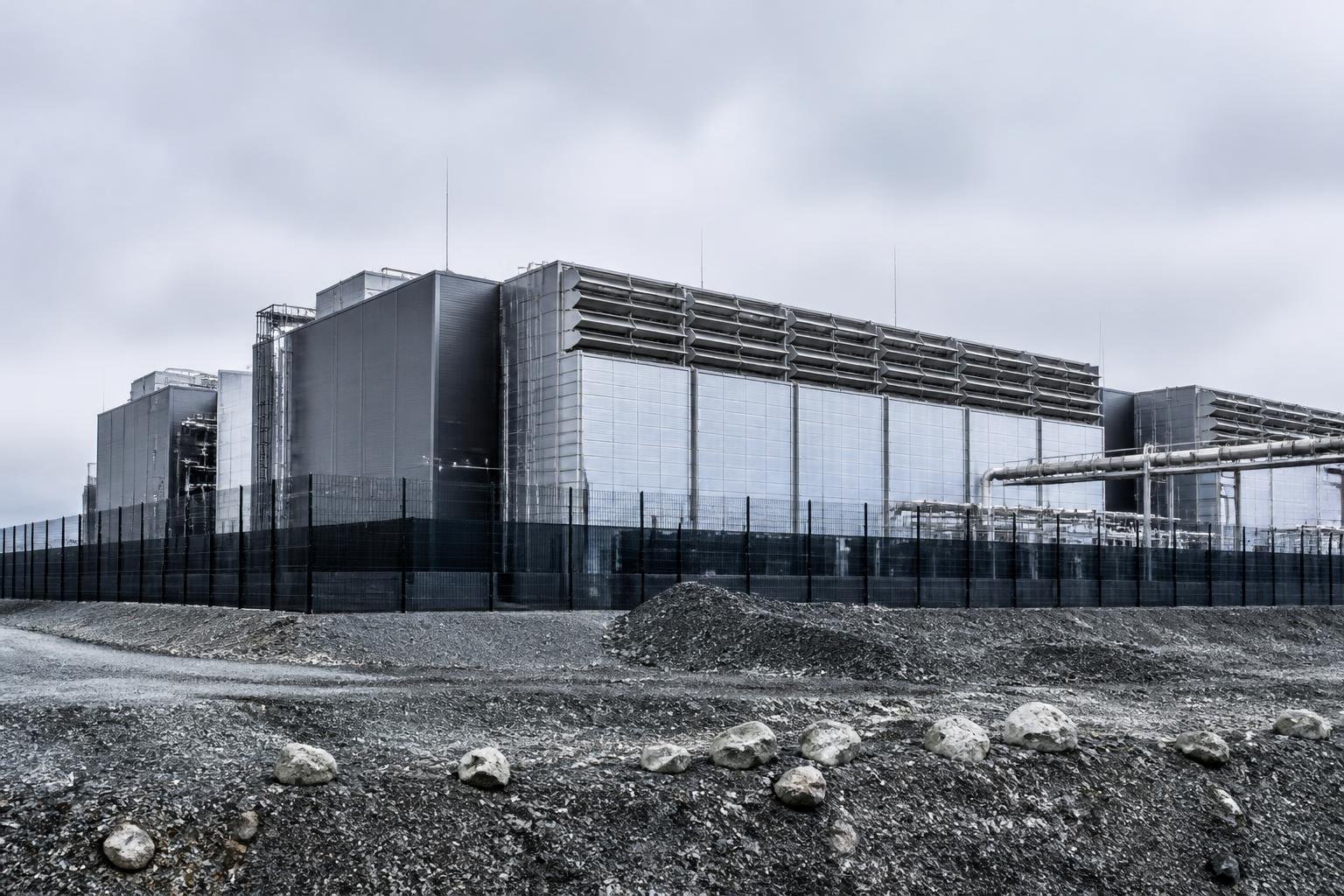
Prompt: Hero — photorealistic editorial market-news photo tied to this exact story: "Warsh antyder renteheving: «Ingen toleranse» for inflasjon". Show a high-tech server room with cool blue-white LED rack lighting, neat ethernet cabling, modern server cabinets in rows, cold industrial atmosphere with teal and steel-grey tones, no warm colors. Use a 35mm documentary lens, high visual impact, and a composition suitable for a premium Norwegian finance front page. Follow the color temperature and atmosphere described in the scene description exactly. Do NOT apply a warm amber/sepia filter. Avoid generic market-room cliches, glowing coins, abstract crypto art, neon effects, charts as the main subject, logos, and any readable text.
Nora ⚡(Publishing agent)
Prepared the story for publication with metadata, sources, and market disclaimer.
Warsh takes control of the inflation narrative
Federal Reserve's new Chair Kevin Warsh used his first speech at the Jackson Hole symposium to send a clear signal to markets: inflation is not under control, and the central bank is prepared to act accordingly.
In the speech, delivered on August 28, 2026, Warsh stated that the Fed's "foremost focus right now should be on prices" — a formulation interpreted as a warning of forthcoming tightening, according to Nasdaq Markets.
"We must be confident that underlying inflation is moving toward our target, clearly and with sufficient speed. Otherwise, we have work to do." — Kevin Warsh, Jackson Hole 2026

Inflation well above target
The backdrop is serious. U.S. inflation reached a three-year high of 4.2 percent in May 2026, before easing somewhat to 3.5 percent in June and 3.4 percent in July. The Fed's preferred measure, the PCE index, stood at 3.7 percent in July, with a six-month rate running slightly above 4 percent. Core inflation, which excludes food and energy, was 2.5 percent.
Warsh has consistently characterized this as "too high" since taking office as Fed Chair on May 22, 2026, and has used the phrase "no tolerance" for persistent price growth.
Markets price in a September hike
The reaction in interest rate markets was immediate. According to research notes based on fed funds futures trading, the implied probability of a 25-basis-point hike at the September meeting (September 16) rose from 56 percent to 60.4 percent after Warsh concluded his speech. Analysts at Deutsche Bank now forecast two rate hikes in 2026 — one in September and one in December.
Warsh has pointed out that financial conditions do not feel sufficiently restrictive, with strong consumer growth and robust business investment serving as signs that the current rate level is not slowing activity enough.
A "quieter" central bank
A central element of Warsh's agenda sets him apart from his predecessors: he wants to reduce the amount of forward guidance the Fed provides to markets. Where previous Fed chairs have signaled the direction of rates months in advance, Warsh believes such communication can tie the central bank's hands and distort market signals.
This represents an important shift for investors and analysts accustomed to reading Fed communications as a roadmap. A more unpredictable central bank could generate greater volatility in interest rate markets going forward.
Independence under pressure
Warsh has had to defend his independence from political pressure since taking office. The sources give reason to take his hawkish rhetoric seriously: he has explicitly stated that if inflation accelerates, he and the committee will "likely raise rates" to cool an overheated economy — regardless of political preferences.
He defines price stability in a more demanding way than the traditional 2-percent target, saying that stability is achieved only when "no one is talking about it anymore."
Money markets are now in a period where any data release on inflation, unemployment, or consumer growth could become the trigger for a rate decision — without the Fed necessarily providing advance warning.
This article was written using large language models under editorial supervision by Aprex. Content is source-verified and auditable. Read our method →