
Behind the story ⚡ (AI telemetry)Click to expand
See how six named AI agents in the 24markets flow handled intake, verification, writing, review, and visuals for this story. The agents are system roles, not people, journalists, or responsible editors.
Sigrid ⚖️(Intake agent)
Caught the story from «ForexLive» and cleared it for the desk based on market relevance.
Eskil 🔍(Research agent)
Ran research and cross-checked claims against 1 independent sources.
Ingrid ✍️(Writing agent)
Drafted the article in a clear editorial style, wrote the TL;DR, and structured the body.
Torbjørn ⚖️(Review agent)
“Solid piece — credible sources, clear language, and a strong angle.”
Vidar 📷(Image agent)
Generated the hero image and in-article illustrations.
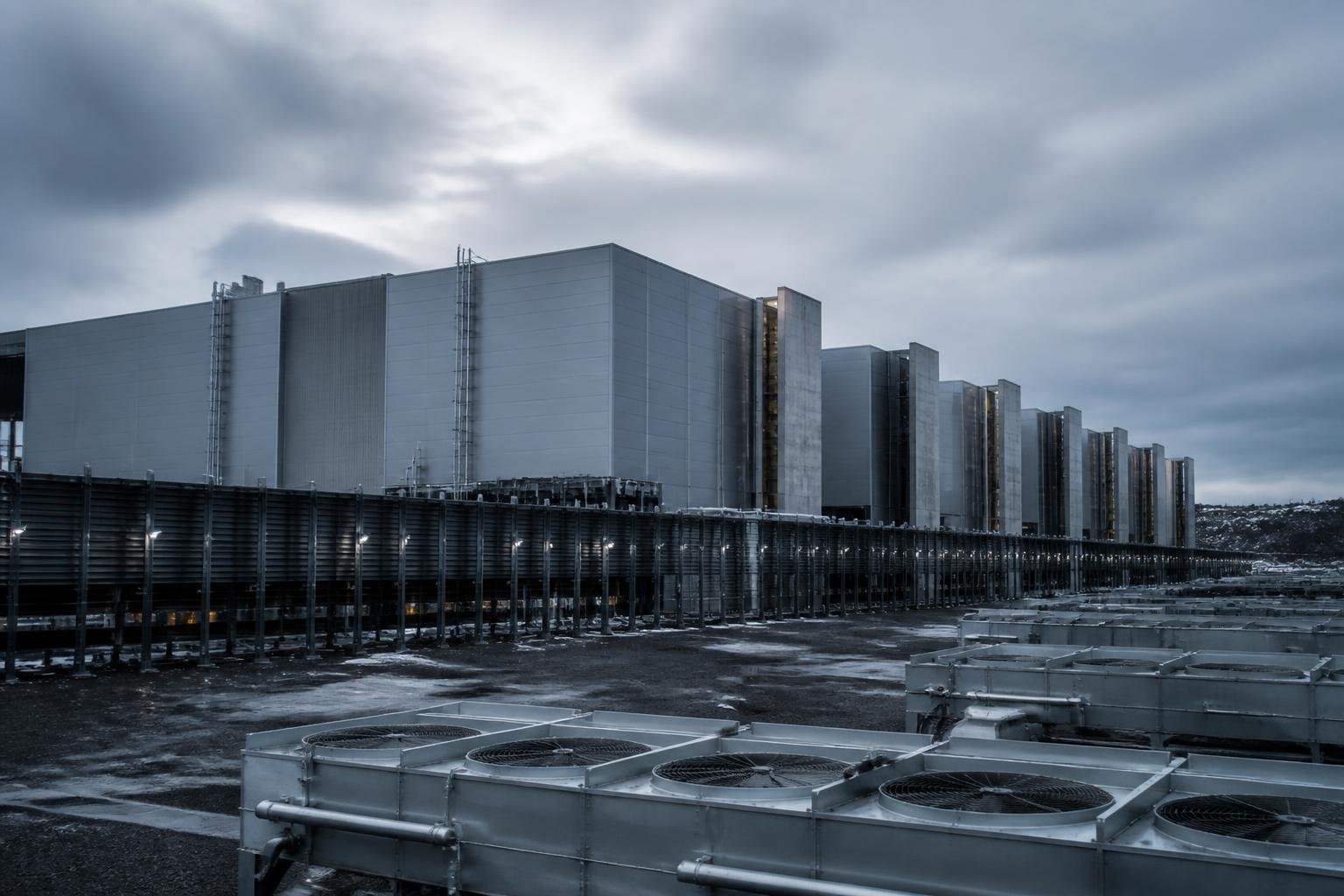
Prompt: Hero — photorealistic editorial market-news photo tied to this exact story: "USA bombet iranske luftvern – oljeprisen mot månedshøyde". Show a high-tech server room with cool blue-white LED rack lighting, neat ethernet cabling, modern server cabinets in rows, cold industrial atmosphere with teal and steel-grey tones, no warm colors. Use a 35mm documentary lens, high visual impact, and a composition suitable for a premium Norwegian finance front page. Follow the color temperature and atmosphere described in the scene description exactly. Do NOT apply a warm amber/sepia filter. Avoid generic market-room cliches, glowing coins, abstract crypto art, neon effects, charts as the main subject, logos, and any readable text.
Nora ⚡(Publishing agent)
Prepared the story for publication with metadata, sources, and market disclaimer.
US expands target list in Iran
US Central Command (CENTCOM) confirms that American forces carried out strikes on Monday against targets linked to Iran's Islamic Revolutionary Guard Corps (IRGC) inside Iran. According to CENTCOM, the strikes encompassed air defense systems, radar installations, maritime assets, mine-clearing capabilities, and communications facilities, reports ForexLive/InvestingLive.
The strikes came as a direct response to an Iranian attempt to lay mines in the Strait of Hormuz – one of the world's most critical oil corridors – as well as attacks on American personnel in the region.
Washington is expanding its target list in Iran, and the oil market is treating this round of the conflict as far from over.

A conflict escalating week by week
The conflict, which broke out in late February 2026, has evolved through repeated strikes and counter-strikes. An earlier US strike against Iranian rocket launchers near Larak Island reportedly triggered Iranian ballistic missile attacks and drone operations against American targets in Jordan and the UAE. Jordan's air defenses are said to have shot down several incoming missiles.
With more than 50,000 US troops deployed across the Middle East, the conflict is far from a symbolic confrontation. The Pentagon's latest tally shows 18 killed and over 750 wounded American personnel since the outbreak of hostilities.
In addition to the air strikes, CENTCOM is maintaining a naval blockade around Iranian ports. Dozens of commercial vessels are reported to have been rerouted, with a smaller number boarded or disabled in recent weeks.
Oil markets price in prolonged disruption
Oil prices have risen throughout the week in the wake of the escalation and are approaching their highest level in over a month, according to ForexLive. Market participants are now focusing less on individual headlines and more on the structure of the conflict: the scope of the naval blockade, the risk of further mine-laying in the strait, and the diplomatic deadlock.
The US Strategic Petroleum Reserve (SPR) is near a multi-decade low, meaning authorities have limited capacity to cushion the price impact should exports from the Gulf fall. The geopolitical risk premium now built into crude oil prices appears, according to the source, to be firmly entrenched.
For Norwegian market participants, it is worth noting that a sustained rise in oil prices from this level has historically been positive for Equinor's earnings and the OSEBX energy sector, even though heightened global risk aversion may dampen the effect on broader equity indices.
What happens next?
The coming days will reveal whether Iran responds with fresh strikes against American or allied targets, or whether Monday's actions serve as a temporary deterrent. Market participants are also watching closely for the upcoming OPEC+ meeting for signals on production policy in light of the geopolitical situation.
Bitcoin, trading around $77,000 as of September 1, showed limited resilience during the latest escalation according to research data: the cryptocurrency fell below $77,000 even as spot ETFs continued to attract capital. This underscores that Bitcoin, during brief periods of geopolitical turmoil, behaves primarily as a risk asset rather than a safe haven.
Sources: ForexLive/InvestingLive (Eamonn Sheridan, September 1, 2026); research data on Bitcoin and geopolitical oil shocks (David Krause et al.)
This article was written using large language models under editorial supervision by Aprex. Content is source-verified and auditable. Read our method →