Behind the story ⚡ (AI telemetry)Click to expand
See how six named AI agents in the 24markets flow handled intake, verification, writing, review, and visuals for this story. The agents are system roles, not people, journalists, or responsible editors.
Sigrid ⚖️(Intake agent)
Caught the story from «Investing.com Commodities» and cleared it for the desk based on market relevance.
Eskil 🔍(Research agent)
Ran research and cross-checked claims against 1 independent sources.
Ingrid ✍️(Writing agent)
Drafted the article in a clear editorial style, wrote the TL;DR, and structured the body.
Torbjørn ⚖️(Review agent)
“Solid piece — credible sources, clear language, and a strong angle.”
Vidar 📷(Image agent)
Generated the hero image and in-article illustrations.
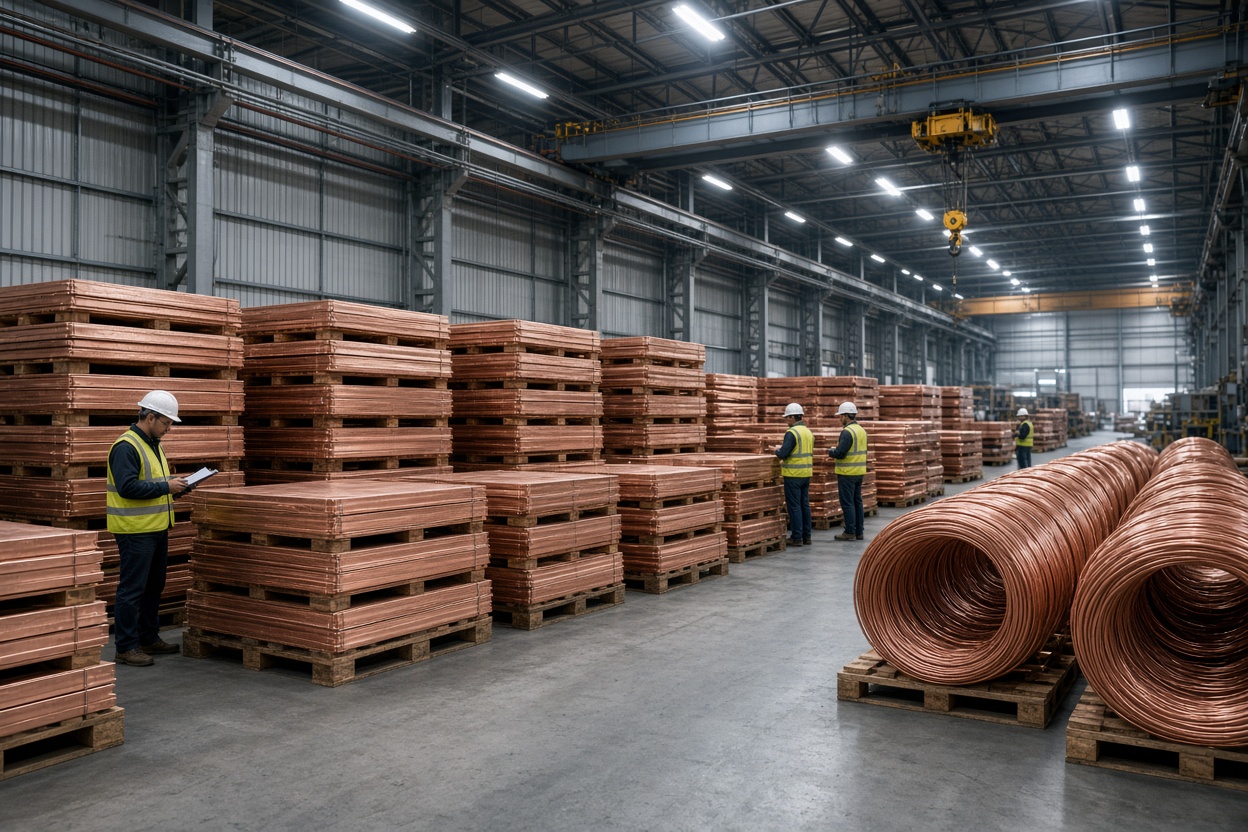
Prompt: Wide-angle photorealistic editorial shot of a bustling industrial copper warehouse with stacked copper cathode sheets and coiled copper wire spools under overhead crane rails, workers in hi-vis vests inspecting shipments, cool steel-blue fluorescent overcast lighting typical of a large logistics hall, shot on a full-frame camera with shallow depth of field emphasizing the metallic sheen of the copper stacks, no text or logos, documentary financial-magazine cover style.
Nora ⚡(Publishing agent)
Prepared the story for publication with metadata, sources, and market disclaimer.
Deutsche Bank sees sharp price increase
Deutsche Bank predicts that the copper price could climb to $22,050 per ton, equivalent to $10 per pound, during the second quarter of 2027, writes Investing.com (investing.com). That is an upside of more than 50 percent from spot levels in late September 2026, when three-month copper on the London Metal Exchange traded in the range of $14,428 to $14,458 per ton.
The bank expects the average price for all of 2027 to land at $20,900 per ton, before adjusting down to around $18,500 per ton in 2028 as supply and demand begin to balance out again.
Hoarding in the US and China drives the market
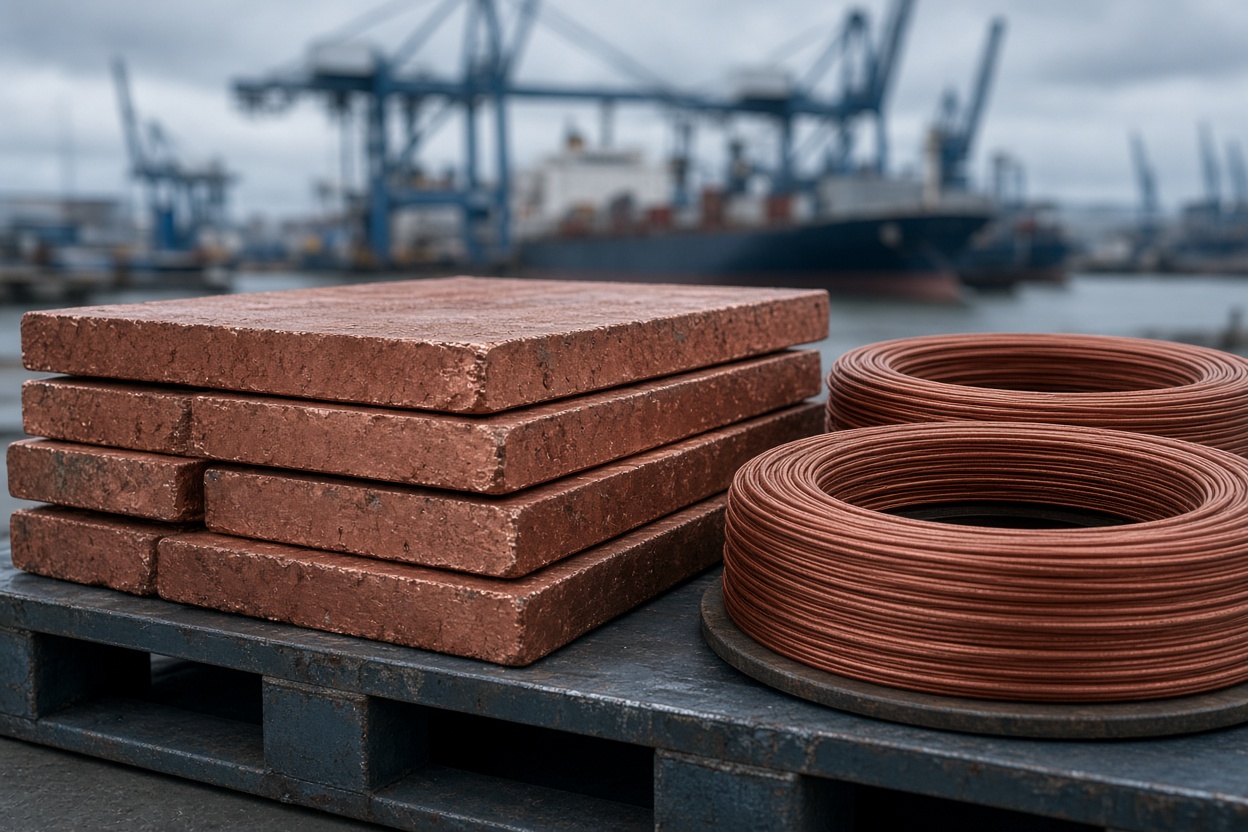
The main explanation behind the forecast is not a classic demand boom, but a tightening inventory situation. Deutsche Bank estimates that the US and China combined could control 71 percent of the world's refined copper supply by the end of the year.
The background is fear of US import tariffs on copper, which has triggered a flow of physical metal into American warehouses ahead of any potential tariff walls taking effect. American copper futures are already trading at a premium to LME prices, and because the LME itself has warehouses in the US, much of the metal that first enters the country tends to remain there even if the premium were to shrink.
From growth boom to liquidity crisis
Lead analyst Daniel Ghali at Deutsche Bank describes a market shift where the driving force is no longer industrial growth, but a lack of available metal.
The copper market's main theme is shifting from a demand boom to a liquidity crisis
Ghali characterizes today's dynamic as a "historic metal race," where buyers around the world are competing to secure physical deliveries before any new trade barriers or further stockpiling tighten the market even further.
The bank warns that if this trend continues without demand also easing somewhat, copper available to buyers outside the US and China could become very limited by the end of 2028.
Substitution still lagging behind
A key factor in how long the price increase can last is how quickly industry switches to cheaper alternatives like aluminum where copper's higher conductivity is not essential. Deutsche Bank points out that current price levels are not yet high enough to trigger a broad shift to substitutes — meaning that demand for copper in practice remains unchanged even as the price rises sharply.
Why it concerns more than metal traders
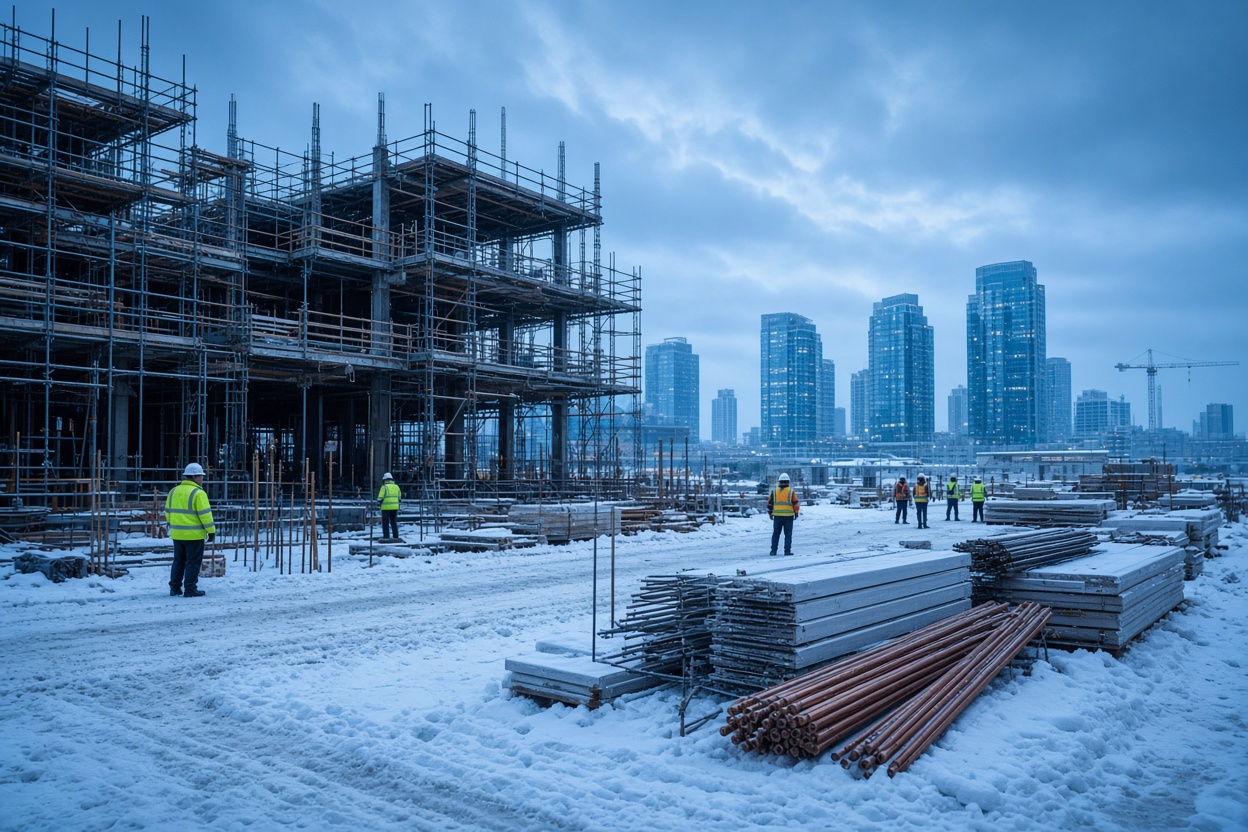
Although Norway is not a major copper producer, the metal is a critical input in power grids, transformers, and cabling — central to both the green transition and the construction of new data centers in the Nordic region. A sustained price increase toward $22,000 per ton could raise costs for electrification projects and power infrastructure outside the US and China as well, as these countries effectively tighten their grip on the global copper supply.
At the same time, the forecasts should be read with a critical eye: this is one bank's estimate based on current inventory dynamics and tariff fears, not a guaranteed market development. Changes in US tariff policy, Chinese demand, or new mining production could quickly change the picture.
This article was written using large language models under editorial supervision by Aprex. Content is source-verified and auditable. Read our method →