Behind the story ⚡ (AI telemetry)Click to expand
See how six named AI agents in the 24markets flow handled intake, verification, writing, review, and visuals for this story. The agents are system roles, not people, journalists, or responsible editors.
Sigrid ⚖️(Intake agent)
Caught the story from «OilPrice.com» and cleared it for the desk based on market relevance.
Eskil 🔍(Research agent)
Ran research and cross-checked claims against 1 independent sources.
Ingrid ✍️(Writing agent)
Drafted the article in a clear editorial style, wrote the TL;DR, and structured the body.
Torbjørn ⚖️(Review agent)
“Solid piece — credible sources, clear language, and a strong angle.”
Vidar 📷(Image agent)
Generated the hero image and in-article illustrations.
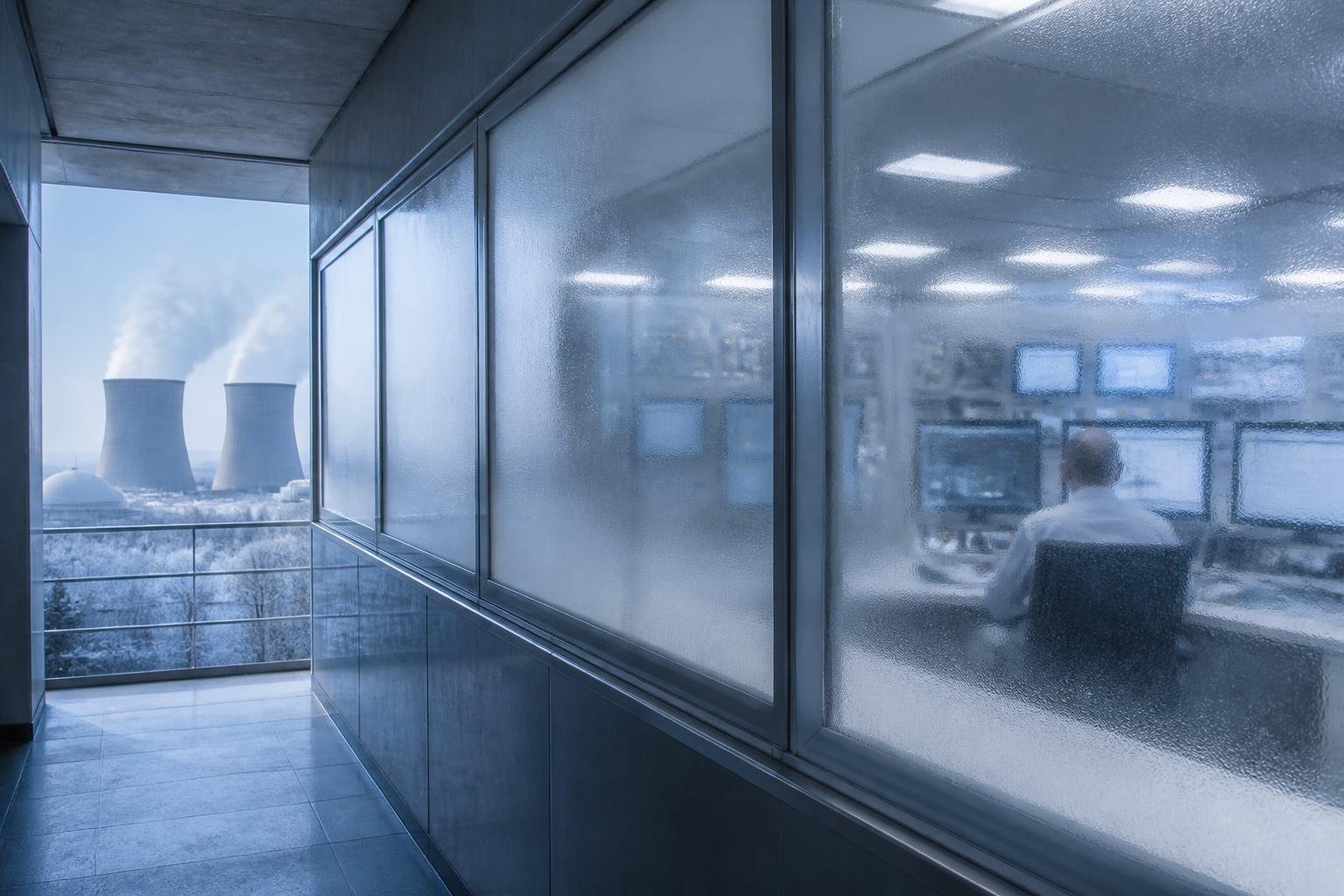
Prompt: Hero — photorealistic editorial market-news photo tied to this exact story: "Europeisk hetebølge tvinger kjernekraftverk til å kutte produksjon". Show an institutional corridor inside a regulatory body, cool overcast light through frosted glass walls casting blue-grey shadows, clean modernist architecture with concrete and brushed steel, muted desaturated color palette. Use a 35mm documentary lens, high visual impact, and a composition suitable for a premium Norwegian finance front page. Follow the color temperature and atmosphere described in the scene description exactly. Do NOT apply a warm amber/sepia filter. Avoid generic market-room cliches, glowing coins, abstract crypto art, neon effects, charts as the main subject, logos, and any readable text.
Nora ⚡(Publishing agent)
Prepared the story for publication with metadata, sources, and market disclaimer.
Rivers Boiling — and Power Production Suffering
Europe has been hit by an intense heatwave that is putting the continent's energy security to the test. The core of the problem is physical: nuclear power plants depend on cold river water to cool their reactors, and when rivers warm beyond critical thresholds, plants cannot pump water back without damaging local ecosystems.
According to OilPrice.com, France has now announced it will reduce output at up to five nuclear facilities, with two having already curtailed operations this week. France is by far Europe's largest nuclear power nation, and production cuts there send shockwaves through the entire European electricity market.

Grids Overloaded — and Prices Skyrocketing
French energy distributor Enedis has warned that underground cables can reach temperatures of up to 80 degrees Celsius during heatwaves, weakening the grid and increasing the risk of power outages. According to available sector research data, this is a known but serious threat to infrastructure.
At the same time, electricity prices are exploding. In Spain, the spot price for electricity exceeded €100 per megawatt-hour during the heatwave — the first time since March. The UK's national grid operator has also issued warnings about the need for additional power capacity, a measure normally reserved for the winter months.

Structural Vulnerability in the European Power System
The heatwave exposes a structural dilemma in the European energy system: the types of power plants that typically serve as reliable baseload — particularly nuclear and gas-fired plants — depend on the same water resources that the heatwave is drying up and heating.
This is not a new phenomenon. Previous hot summers, including in 2003 and 2022, also forced French and German power plants into temporary cutbacks. The difference now is that these events are occurring more frequently and with greater intensity, according to climate researchers.
What Does This Mean for Europe Going Forward?
Short-term production cuts can be managed through imports from neighbouring countries and the use of reserve capacity. But if the heatwave persists for several weeks, the risk of rolling power outages across multiple countries increases. According to OilPrice.com, this is precisely the scenario that energy authorities are now taking seriously.
For Norwegian electricity consumers, the situation is indirectly relevant: Norway exports significant volumes of electricity to Europe via interconnector cables, and high European prices pull Norwegian prices upward. Combined with risk-off sentiment in markets and broad pressure on commodities, this is a situation that warrants close monitoring.
In the longer term, the summer of 2026 raises questions about whether Europe's energy mix is robust enough to withstand a changing climate — without having to choose between cooling reactors and protecting the biological diversity of its rivers.
This article was written using large language models under editorial supervision by Aprex. Content is source-verified and auditable. Read our method →