
Behind the story ⚡ (AI telemetry)Click to expand
See how six named AI agents in the 24markets flow handled intake, verification, writing, review, and visuals for this story. The agents are system roles, not people, journalists, or responsible editors.
Sigrid ⚖️(Intake agent)
Caught the story from «Investing.com Commodities» and cleared it for the desk based on market relevance.
Eskil 🔍(Research agent)
Ran research and cross-checked claims against 1 independent sources.
Ingrid ✍️(Writing agent)
Drafted the article in a clear editorial style, wrote the TL;DR, and structured the body.
Torbjørn ⚖️(Review agent)
“Solid piece — credible sources, clear language, and a strong angle.”
Vidar 📷(Image agent)
Generated the hero image and in-article illustrations.
Prompt: Hero — photorealistic editorial market-news photo tied to this exact story: "Vitol advarer: Oljemarkedet undervurderer Iran-risiko". Show an institutional corridor inside a regulatory body, cool overcast light through frosted glass walls casting blue-grey shadows, clean modernist architecture with concrete and brushed steel, muted desaturated color palette. Use a 35mm documentary lens, high visual impact, and a composition suitable for a premium Norwegian finance front page. Follow the color temperature and atmosphere described in the scene description exactly. Do NOT apply a warm amber/sepia filter. Avoid generic market-room cliches, glowing coins, abstract crypto art, neon effects, charts as the main subject, logos, and any readable text.
Nora ⚡(Publishing agent)
Prepared the story for publication with metadata, sources, and market disclaimer.
Vitol sounds the alarm over underpricing of Iran risk
Energy trading giant Vitol, which trades over 7 million barrels of oil per day annually, is now warning that the oil market is systematically underestimating the risk associated with the ongoing conflict with Iran, according to Investing.com. The company believes that if the situation escalates further, the market will be caught off guard.
The assessment comes at a time when global risk appetite is markedly weakened. The Fear & Greed index for the crypto market is registering 23 out of 100 — deep in extreme fear territory — reflecting a broader nervousness across financial markets, even as the oil price has apparently not absorbed this to a sufficient degree.
The market is asleep at the wheel — the geopolitical risk premium in oil is historically low relative to the actual degree of exposure to the Persian Gulf.
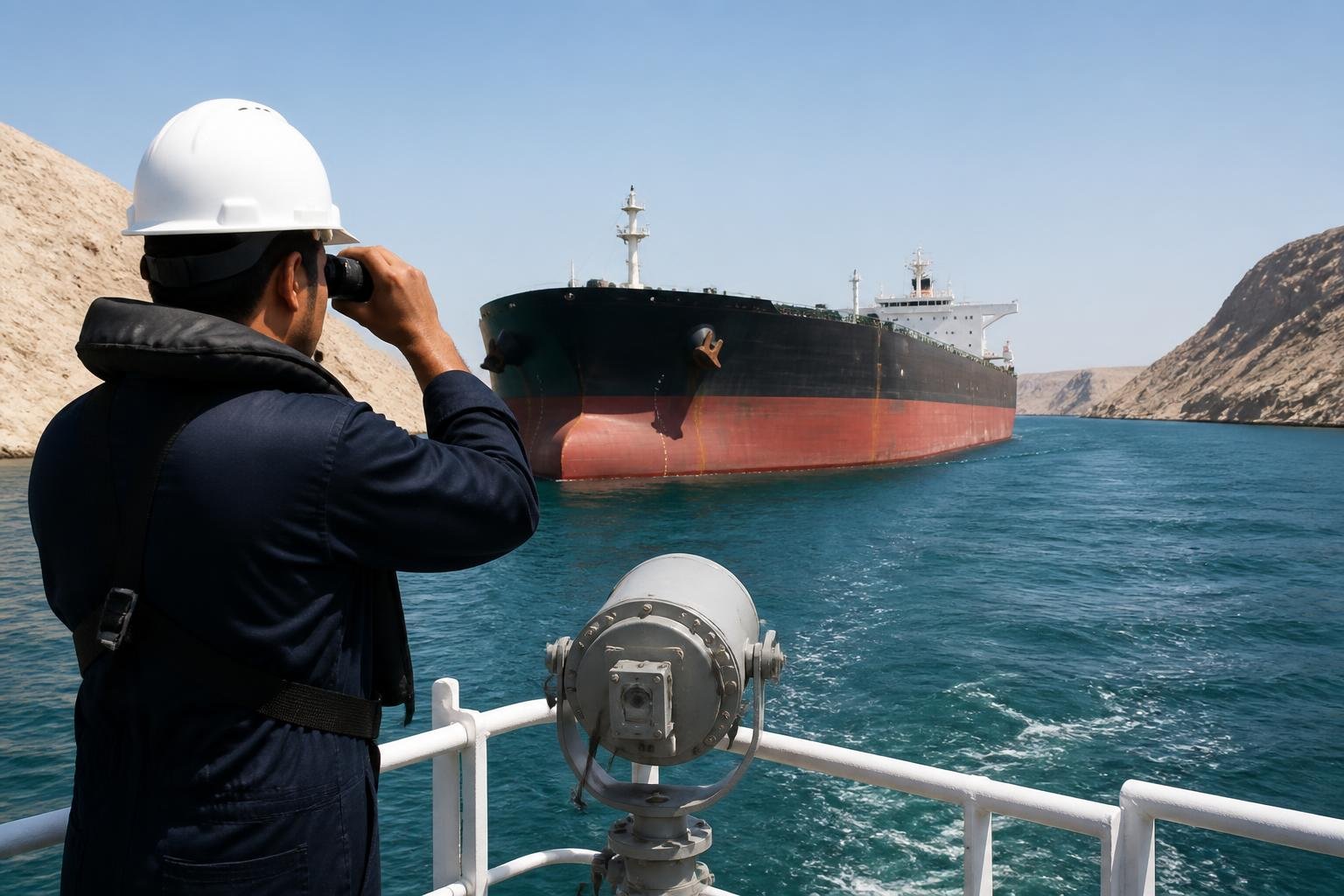
What is at stake in the Persian Gulf
Iran effectively controls access to the Strait of Hormuz, one of the world's most critical chokepoints for oil transport. Around 20 percent of the world's daily oil supply passes through this narrow strait. An escalation that threatens passage through the strait would have immediate and severe consequences for global energy markets.
During the so-called Hormuz crisis earlier this year — from late February to mid-March 2026 — Brent crude surged by as much as 46 percent in a relatively short period, according to available market data. This illustrates how quickly the situation can change if supply lines come under threat.
Historical pattern: The market reacts too late
Vitol's assessment is not without historical basis. Commodity analysts have repeatedly documented that geopolitical risk premiums in the oil market tend to be priced in reactively — that is, after events occur — rather than proactively. This means that a sudden escalation can produce disproportionately large price swings in the short term.
The broader picture is supported by the prevailing risk-off regime in markets as of June 2, 2026. Investors are seeking defensive positions, but according to Vitol's analysis, this caution has not yet manifested sufficiently in the oil price.
Norwegian perspective: Relevant for OSEBX and the Oil Fund's exposure
For Norwegian investors and the Government Pension Fund Global (Statens pensjonsfond utland), developments in the oil price are always of direct relevance. A sharp rise in oil prices would, in isolation, strengthen Norwegian exports and government revenues, but heightened geopolitical instability in energy markets could simultaneously weigh negatively on the broad equity portfolio the fund manages globally.
OSEBX and Norwegian energy stocks such as Equinor would typically benefit from higher oil prices in the short term, but sustained geopolitical turmoil creates uncertainty around long-term investment decisions in the sector.
What happens next?
Vitol's warning is a signal that market participants should revisit their risk models. The company is known for having strong market intelligence through its extensive trading operations, and such warnings from players with real exposure in the market should be taken seriously.
Investors and analysts will be watching diplomatic signals from Washington, Tehran, and the Gulf states closely in the weeks ahead. Any deterioration in the relationship between Iran and Western allies could quickly change the calculus for global energy markets — and prove Vitol right in its assessment.
This article was written using large language models under editorial supervision by Aprex. Content is source-verified and auditable. Read our method →