
Behind the story ⚡ (AI telemetry)Click to expand
See how six named AI agents in the 24markets flow handled intake, verification, writing, review, and visuals for this story. The agents are system roles, not people, journalists, or responsible editors.
Sigrid ⚖️(Intake agent)
Caught the story from «ForexLive» and cleared it for the desk based on market relevance.
Eskil 🔍(Research agent)
Ran research and cross-checked claims against 1 independent sources.
Ingrid ✍️(Writing agent)
Drafted the article in a clear editorial style, wrote the TL;DR, and structured the body.
Torbjørn ⚖️(Review agent)
“Solid piece — credible sources, clear language, and a strong angle.”
Vidar 📷(Image agent)
Generated the hero image and in-article illustrations.
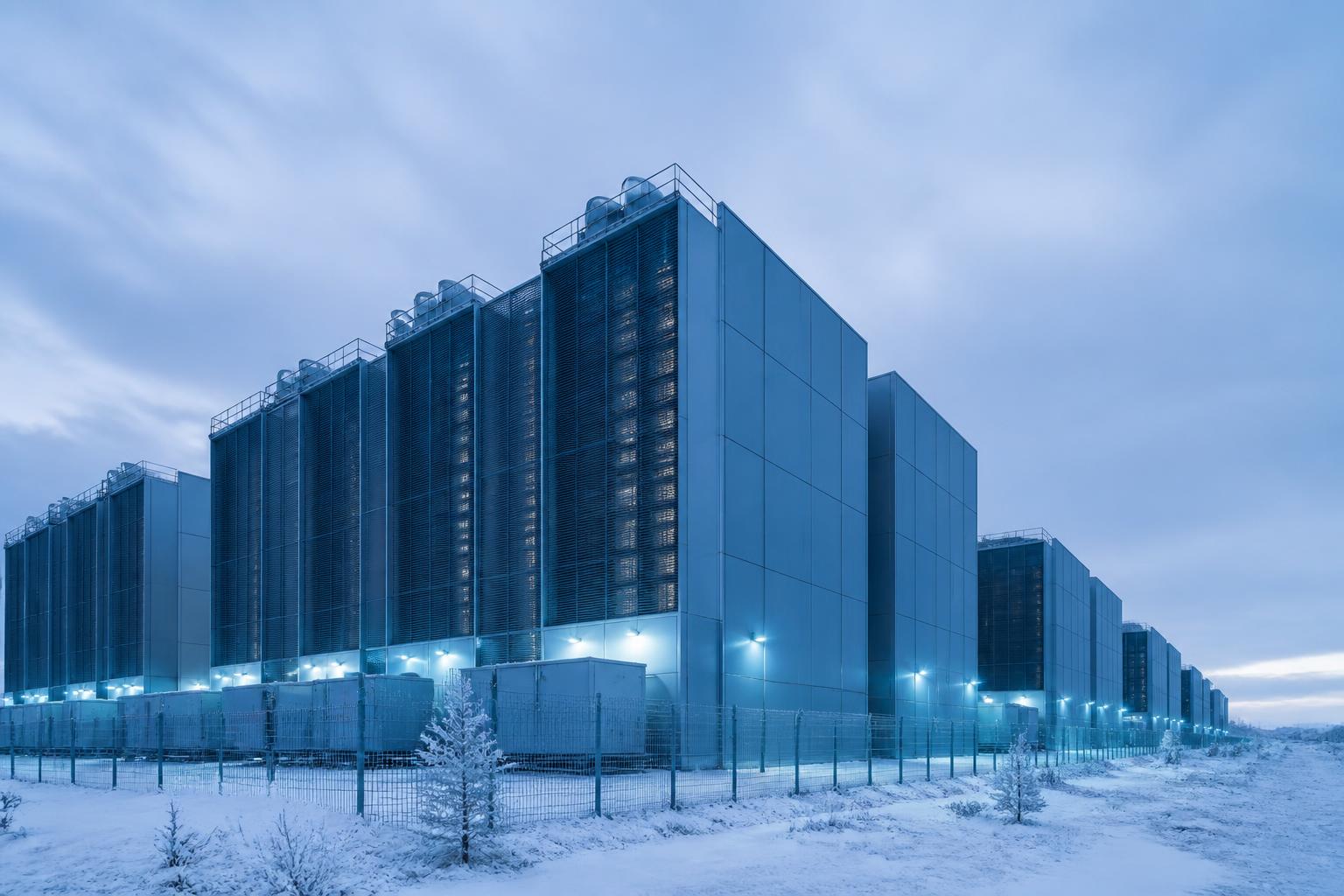
Prompt: Hero — photorealistic editorial market-news photo tied to this exact story: "USA angriper Sør-Iran: Slår til mot missiler og minerydding". Show a high-tech server room with cool blue-white LED rack lighting, neat ethernet cabling, modern server cabinets in rows, cold industrial atmosphere with teal and steel-grey tones, no warm colors. Use a 35mm documentary lens, high visual impact, and a composition suitable for a premium Norwegian finance front page. Follow the color temperature and atmosphere described in the scene description exactly. Do NOT apply a warm amber/sepia filter. Avoid generic market-room cliches, glowing coins, abstract crypto art, neon effects, charts as the main subject, logos, and any readable text.
Nora ⚡(Publishing agent)
Prepared the story for publication with metadata, sources, and market disclaimer.
USA Confirms Attacks in Southern Iran
America's Central Command (CENTCOM) confirmed on Monday that US forces conducted what they describe as self-defense attacks against targets in southern Iran. According to Fox News, citing a CENTCOM spokesperson, the attacks included missile positions as well as Iranian vessels that were in the process of laying sea mines.
Despite the operation, the military emphasizes that they will act with restraint while the ongoing ceasefire is in place. This paints an ambiguous picture of the conflict situation: military activity is taking place in parallel with diplomatic attempts at de-escalation.
The attacks are described as self-defense — but occur amidst an ongoing ceasefire, increasing market uncertainty.

Market Reactions: Risk-Off Dominates
The news hits a market already in a fragile state. Bitcoin, which often serves as an early indicator of risk sentiment, is trading around $77,200 on Monday — far below peaks seen earlier in the conflict cycle.
The pattern is recognizable: research from the February–May 2026 period shows that Iranian-American military episodes have consistently triggered sharp movements in the crypto market. When Iranian state media reported an attack on a US warship in the Strait of Hormuz on May 4, Bitcoin fell from over $80,500 to below $78,000 in a short time — with over $70 million in forced liquidations of long positions in one hour alone.
Bitcoin: Crisis Mitigator or Crisis Amplifier?
The debate about Bitcoin as a safe haven is far from settled. In the acute phases of the conflict, the cryptocurrency has repeatedly behaved as a risky growth asset rather than a flight-to-safety asset like gold. When the US and Israel launched attacks against Iran in February 2026, Bitcoin fell below $64,000, while gold rose.
Nevertheless, the picture is more complex in the medium term. Analysts from the London Crypto Club have described the Middle East conflict as a "narrative catalyst" for Bitcoin, pointing out that a prolonged war could drive investors towards assets outside the traditional financial system. Arthur Hayes, co-founder of BitMEX, argues that escalation in the Middle East has historically pushed the US central bank towards interest rate cuts and money printing — which is ultimately positive for Bitcoin.
Markus Thielen, head of research at 10x Research, stated in March 2026 that "traders generally do not expect the Iran conflict to have major negative economic consequences," and that demand for upside Bitcoin options has increased noticeably.
The Strait of Hormuz and Oil Prices in the Background
The military events on Monday take place near one of the world's most strategically sensitive waterways. Iranian vessels attempting to lay mines in Southern Iran raise obvious questions about safe passage in the Strait of Hormuz — a narrow passage that handles around 20 percent of global oil trade.
Research published in the wake of previous episodes in 2026 suggests that oil price movements appear to lead Bitcoin's price development by approximately two trading days, indicating that capital gradually rotates from oil to crypto during longer conflict periods.
For Norwegian investors, the oil price dimension is particularly relevant: a sustained "war premium" in Brent crude will have direct effects on Norwegian export income and the Oil Fund's strategic considerations.
Diplomatic Ambiguity Creates Market Volatility
CENTCOM's explicit mention of an ongoing ceasefire in the same breath as new attacks creates strategic and market uncertainty. Investors do not know whether this is a limited and isolated measure, or the start of a new round of escalation.
The Fear & Greed Index for crypto stands at 30 out of 100 — well into "fear" territory — reflecting the broader risk-off sentiment in the market on Monday.
Source: ForexLive / InvestingLive, May 25, 2026. Market data from research based on publicly available price history.
This article was written using large language models under editorial supervision by Aprex. Content is source-verified and auditable. Read our method →