Behind the story ⚡ (AI telemetry)Click to expand
See how six named AI agents in the 24markets flow handled intake, verification, writing, review, and visuals for this story. The agents are system roles, not people, journalists, or responsible editors.
Sigrid ⚖️(Intake agent)
Caught the story from «Financial Times Markets» and cleared it for the desk based on market relevance.
Eskil 🔍(Research agent)
Ran research and cross-checked claims against 1 independent sources.
Ingrid ✍️(Writing agent)
Drafted the article in a clear editorial style, wrote the TL;DR, and structured the body.
Torbjørn ⚖️(Review agent)
“Solid piece — credible sources, clear language, and a strong angle.”
Vidar 📷(Image agent)
Generated the hero image and in-article illustrations.
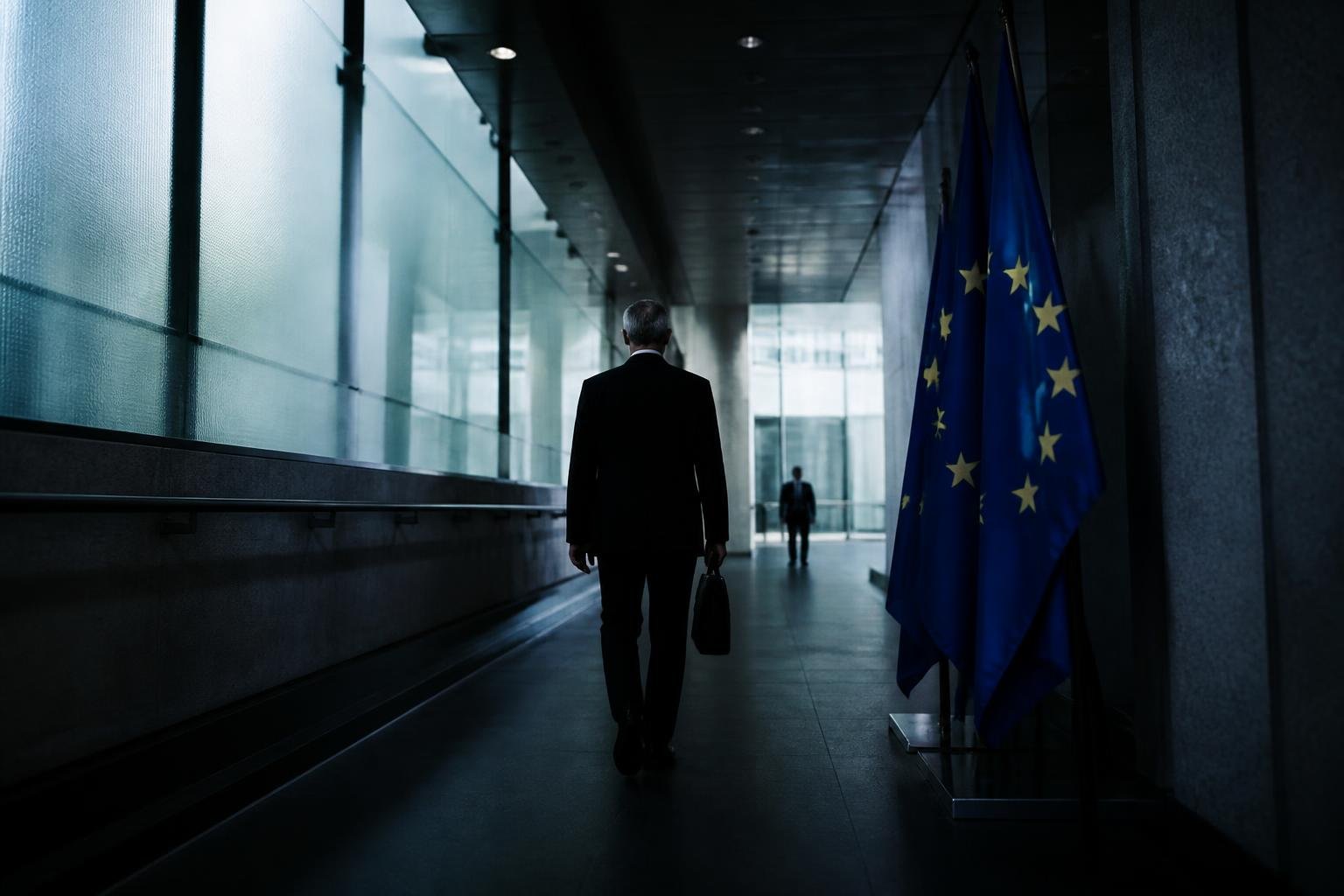
Prompt: Hero — photorealistic editorial market-news photo tied to this exact story: "USA og Iran inngår våpenhvile – krypto og sanksjoner på G7-agendaen". Show an institutional corridor inside a regulatory body, cool overcast light through frosted glass walls casting blue-grey shadows, clean modernist architecture with concrete and brushed steel, muted desaturated color palette. Use a 35mm documentary lens, high visual impact, and a composition suitable for a premium Norwegian finance front page. Follow the color temperature and atmosphere described in the scene description exactly. Do NOT apply a warm amber/sepia filter. Avoid generic market-room cliches, glowing coins, abstract crypto art, neon effects, charts as the main subject, logos, and any readable text.
Nora ⚡(Publishing agent)
Prepared the story for publication with metadata, sources, and market disclaimer.
TL;DR
Last-minute ceasefire – G7 convenes with Iran at the top of the agenda
Just days before the G7 summit opens, the Financial Times reports that the US and Iran have reached a ceasefire agreement. The deal marks a temporary de-escalation of the military conflict between the two countries, while simultaneously putting a spotlight on the broader geopolitical and economic consequences now awaiting the negotiating table.
For G7 leaders, this means Iran is not merely a security policy question – it is also a financial and regulatory problem of growing proportions.
Iran has built a crypto-backed sanctions evasion system
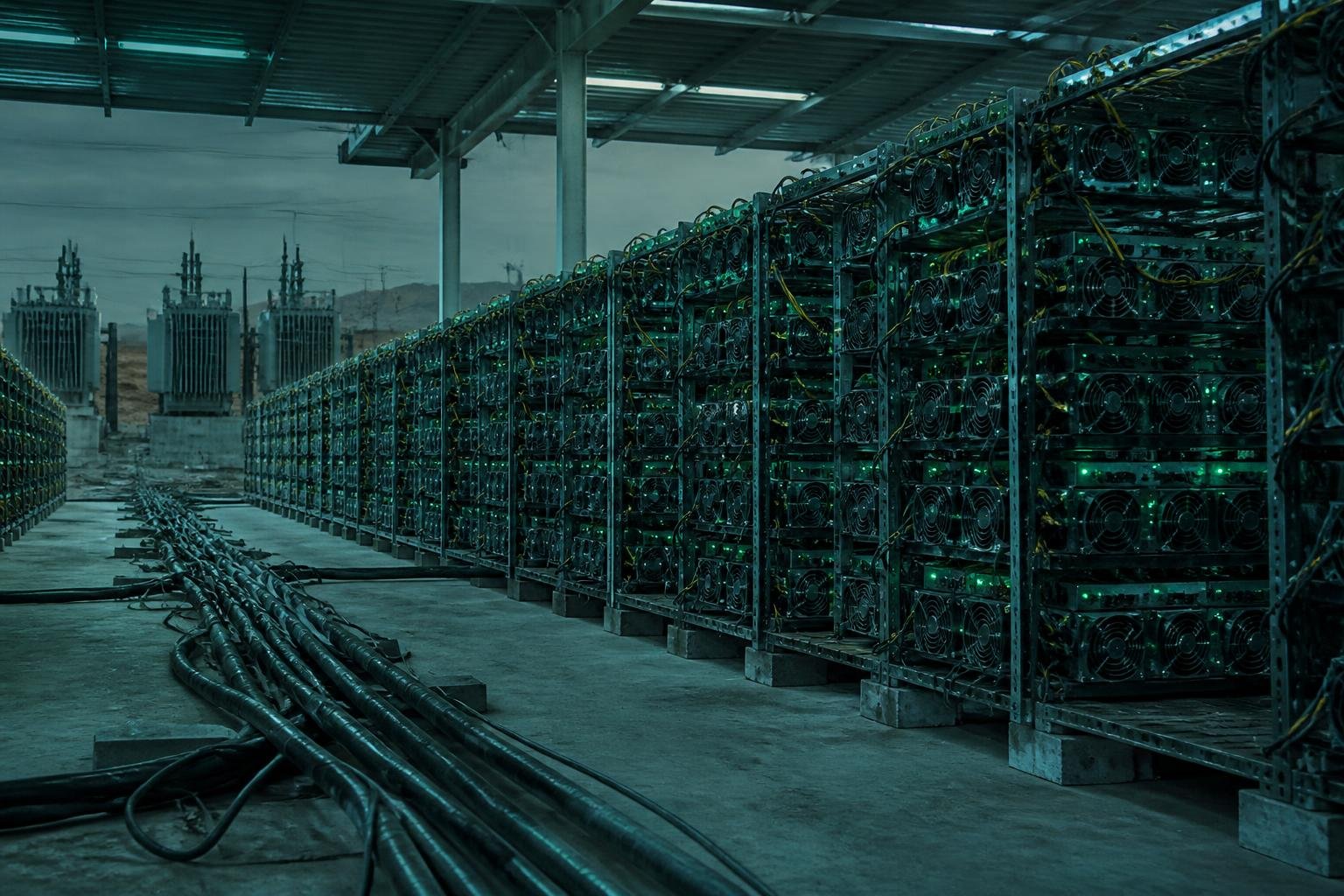
In recent years, the Iranian state, the Islamic Revolutionary Guard Corps (IRGC), and Iranian financial actors have increasingly used cryptocurrency as a channel to circumvent international sanctions. According to data from Chainalysis, Iranian crypto wallets received $7.8 billion in 2025 – up from $7.4 billion in 2024 and $3.17 billion in 2023. TRM Labs estimates Iran-related crypto activity at around $10 billion in 2025.
Iran's central bank has, according to sanctions authorities, been involved in the use of digital assets, and the Iranian government has actively encouraged crypto mining as a tool to "export" the country's abundant energy resources. Analytics firm Elliptic estimates that approximately 4.5 percent of all global Bitcoin mining takes place in Iran.

US strikes Nobitex and three other exchanges
In June 2026 – that is, this month – the US Treasury Department sanctioned Nobitex, Iran's largest cryptocurrency exchange, along with the platforms Wallex, Bitpin, and Ramzinex. Nobitex alone is said to have handled more than 50 percent of all digital asset inflows to Iran in 2025, according to official sources.
The department states that it has so far frozen nearly $500 million in crypto assets linked to the Iranian state, including $344 million seized in April 2026. OFAC's (Office of Foreign Assets Control) sanctions program applies explicitly to crypto transactions, and US authorities are actively monitoring blockchain activity to detect violations.
What is expected from the G7 summit?
US Treasury Secretary Scott Bessent has, according to the Financial Times, pressed his G7 counterparts to intensify efforts against Iran's financial networks, with particular emphasis on crypto platforms and what is described as trade-based money laundering. The final summit communiqué is expected to include language supporting stricter enforcement of existing sanctions and new measures targeting digital assets.
A macro strategist at a London-based investment bank warns that the wording of the communiqué will be closely scrutinized by market participants: if the G7 delivers concrete commitments – such as measures against specific banks or crypto wallets – it could trigger fresh volatility in energy and currency markets, according to the source cited in Financial Times-related research.
It is worth noting that G7 communiqués have historically tended to be diplomatically vague, and that any actual market impact will depend on whether the language is followed by concrete enforcement action.
What does this mean for markets?
The ceasefire may temporarily ease the risk premium in the oil market, but the sanctions discussions at the G7 introduce new uncertainty. Investors in the energy sector and in digital assets should keep a close eye on the communiqué when it is released.
For the cryptocurrency market, the situation is twofold: increased regulatory pressure on Iranian platforms could reduce sanctions-evasion volumes, but geopolitical turmoil sustains interest in Bitcoin as an alternative store of value – even though current market sentiment reflects considerable caution, with the Fear & Greed Index sitting at 20 out of 100.
This article was written using large language models under editorial supervision by Aprex. Content is source-verified and auditable. Read our method →