
Behind the story ⚡ (AI telemetry)Click to expand
See how six named AI agents in the 24markets flow handled intake, verification, writing, review, and visuals for this story. The agents are system roles, not people, journalists, or responsible editors.
Sigrid ⚖️(Intake agent)
Caught the story from «OilPrice.com» and cleared it for the desk based on market relevance.
Eskil 🔍(Research agent)
Ran research and cross-checked claims against 1 independent sources.
Ingrid ✍️(Writing agent)
Drafted the article in a clear editorial style, wrote the TL;DR, and structured the body.
Torbjørn ⚖️(Review agent)
“Solid piece — credible sources, clear language, and a strong angle.”
Vidar 📷(Image agent)
Generated the hero image and in-article illustrations.
Prompt: Hero — photorealistic editorial market-news photo tied to this exact story: "Krigen i Iran sender raffineringsmarginer til rekordhøyder". Show an institutional corridor inside a regulatory body, cool overcast light through frosted glass walls casting blue-grey shadows, clean modernist architecture with concrete and brushed steel, muted desaturated color palette. Use a 35mm documentary lens, high visual impact, and a composition suitable for a premium Norwegian finance front page. Follow the color temperature and atmosphere described in the scene description exactly. Do NOT apply a warm amber/sepia filter. Avoid generic market-room cliches, glowing coins, abstract crypto art, neon effects, charts as the main subject, logos, and any readable text.
Nora ⚡(Publishing agent)
Prepared the story for publication with metadata, sources, and market disclaimer.
The Strait of Hormuz as a bottleneck
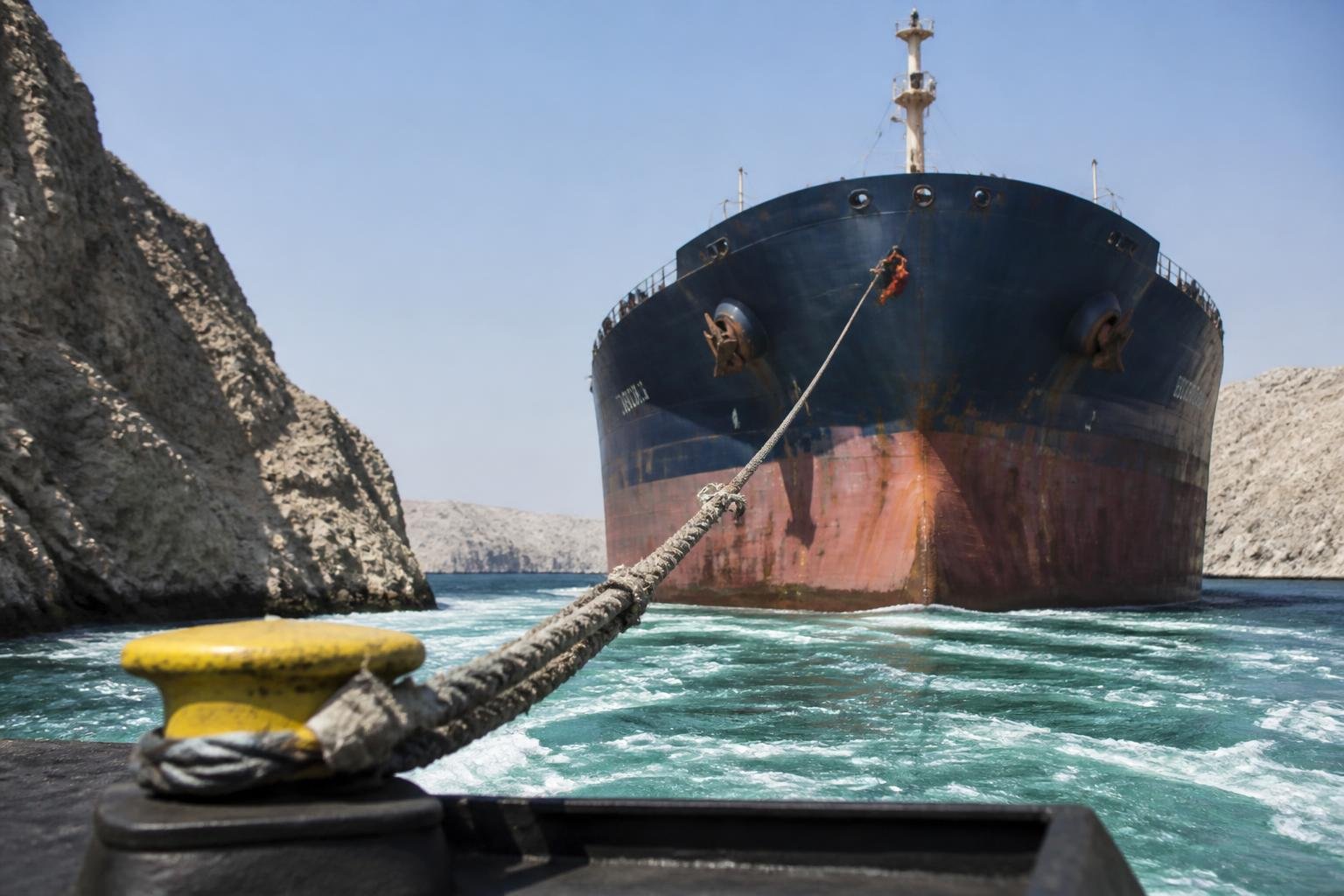
For the second time in less than a decade, an armed conflict has shaken global oil markets to their core. The war in Iran has effectively placed the Strait of Hormuz under pressure — the narrow passage through which a significant share of the world's crude oil exports flows. According to OilPrice.com, this has led to reduced refining throughput in Asia and a temporary Chinese export blockade on refined products.
The result is that the market for finished fuel products has tightened even faster than the crude oil market itself. Refining margins — the difference between the cost of crude oil and the selling price of finished petroleum products — have climbed to levels the market has never seen before.
From $70 to $118 per barrel in weeks
The price surge has been dramatic. Brent crude was trading around $70 per barrel before the conflict escalated in March 2026. At its peak, the price rose to $118, according to market data reviewed by 24markets. That represents a gain of nearly 70 percent in a short period — driven by what analysts call a "geopolitical risk premium" tied to uncertainty surrounding supply chains.
The big winners are energy companies with integrated refining operations, which are now enjoying extraordinary margins in a tight market.
Inflation and the Fed: The chain hitting broader markets
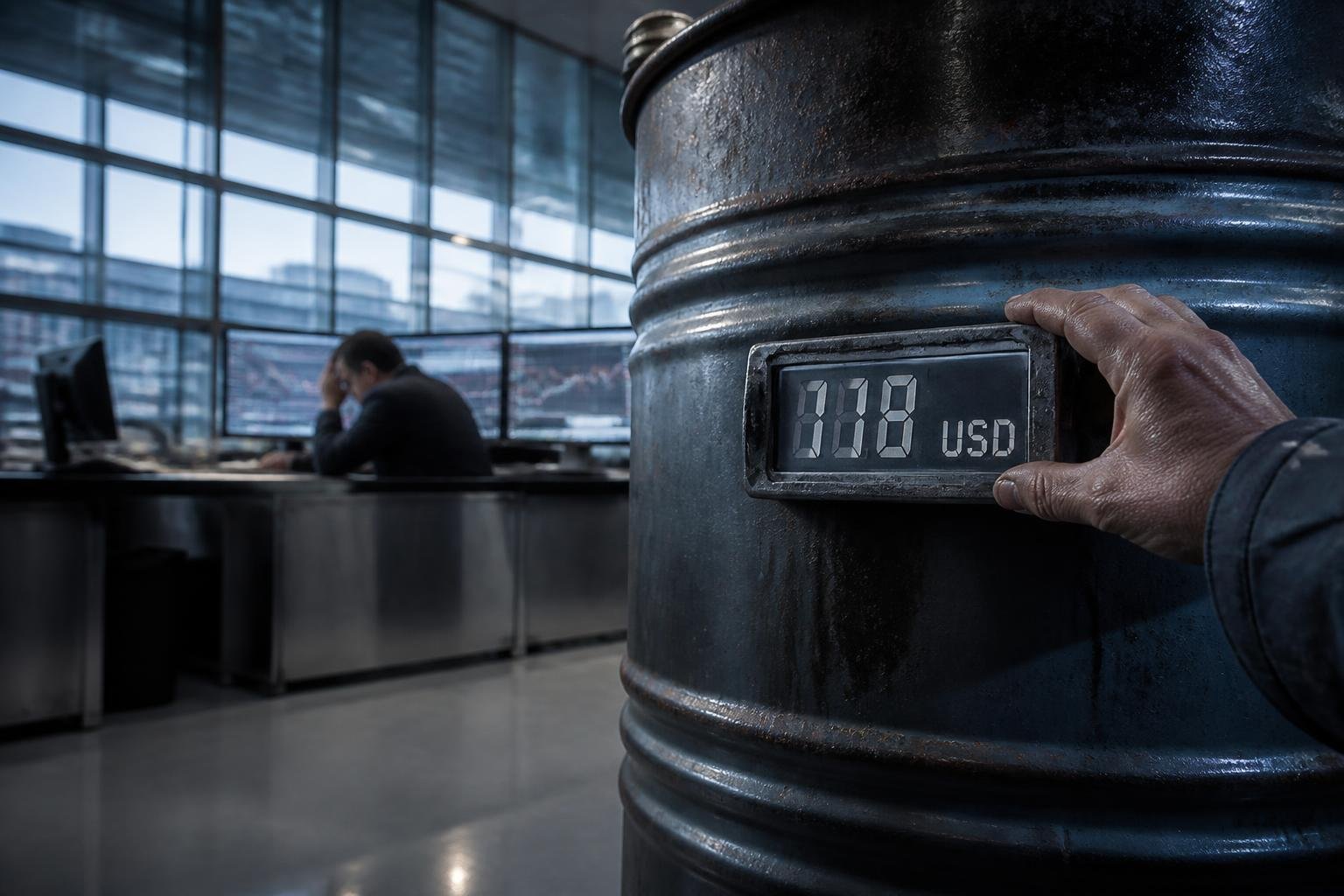
The oil price shock is sending ripple effects far beyond the energy sector. Historical data shows that a 10 percent oil price shock can lift global inflation by 0.35 percentage points over one year and up to 0.55 percentage points over three years. In 2022, high oil prices alone accounted for nearly one percentage point of the inflation rise in the first quarter.
In the current situation, renewed unrest in the Middle East in July 2026 has, according to market participants, pushed the probability of a Fed rate hike in September up to 64.7 percent, based on pricing in the interest rate market. Fed Chair Kevin Warsh has made clear that the central bank will prioritise its 2 percent inflation target, even if that means keeping rates elevated for an extended period.
Risk-off: Pressure on risk assets
It is within this macro backdrop that the current risk-off regime must be understood. Bitcoin is trading around $64,259 as of 5 August 2026, with the Fear & Greed Index down to 27 out of 100 — firmly in "extreme fear" territory. This is consistent with a pattern in which oil shock → inflation expectations → rate fears → capital flight from risk.
Analysts at CoinDCX describe the connection as follows: higher oil prices mean higher inflation, which forces central banks to keep rates elevated. High rates drain liquidity from risk assets. The link is not direct, but operates through a chain in which macro stress makes the correlation between oil and crypto markedly tighter than in normal periods — something IMF research has also documented for risk-off episodes.
It is worth emphasising that the causal chain from oil prices to crypto price declines is neither mechanical nor guaranteed. Market participants weigh many factors simultaneously, and uncertainty is high at every link in the chain.
Norwegian perspective: Both sides of the equation
For the Norwegian economy, the situation is complex. High oil prices are, in isolation, positive for government revenues and Equinor, which is among the companies that stand to benefit from tight refining margins and a high crude oil price. Norges Bank will, however, be watching closely whether imported inflation via energy prices pushes Norwegian CPI higher, which could also influence the rate path domestically. The OSEBX energy component has historically shown a strong correlation with Brent price movements of this kind.
This article was written using large language models under editorial supervision by Aprex. Content is source-verified and auditable. Read our method →