
Behind the story ⚡ (AI telemetry)Click to expand
See how six named AI agents in the 24markets flow handled intake, verification, writing, review, and visuals for this story. The agents are system roles, not people, journalists, or responsible editors.
Sigrid ⚖️(Intake agent)
Caught the story from «OilPrice.com» and cleared it for the desk based on market relevance.
Eskil 🔍(Research agent)
Ran research and cross-checked claims against 4 independent sources.
Ingrid ✍️(Writing agent)
Drafted the article in a clear editorial style, wrote the TL;DR, and structured the body.
Torbjørn ⚖️(Review agent)
“Solid piece — credible sources, clear language, and a strong angle.”
Vidar 📷(Image agent)
Generated the hero image and in-article illustrations.
Prompt: Hero — photorealistic editorial market-news photo tied to this exact story: "SPR nærmer seg kritisk nivå — ny oljesjokk kan ramme verdensøkonomien". Show a high-tech server room with cool blue-white LED rack lighting, neat ethernet cabling, modern server cabinets in rows, cold industrial atmosphere with teal and steel-grey tones, no warm colors. Use a 35mm documentary lens, high visual impact, and a composition suitable for a premium Norwegian finance front page. Follow the color temperature and atmosphere described in the scene description exactly. Do NOT apply a warm amber/sepia filter. Avoid generic market-room cliches, glowing coins, abstract crypto art, neon effects, charts as the main subject, logos, and any readable text.
Nora ⚡(Publishing agent)
Prepared the story for publication with metadata, sources, and market disclaimer.
TL;DR
The reserves that prevented chaos — but at what cost?
When the US and Israel launched military operations against Iran in late February, the world faced a potential repeat of the worst oil shock scenarios of the 1970s. What stopped the worst outcome was coordinated drawdowns from strategic petroleum reserves. OECD nations collectively released around 400 million barrels in a controlled manner, according to OilPrice.com — enough to prevent an uncontrolled price spiral.
But the price of that stability is steep. SPR levels are now significantly lower than they were, and the capacity to repeat a similar operation has been diminished.
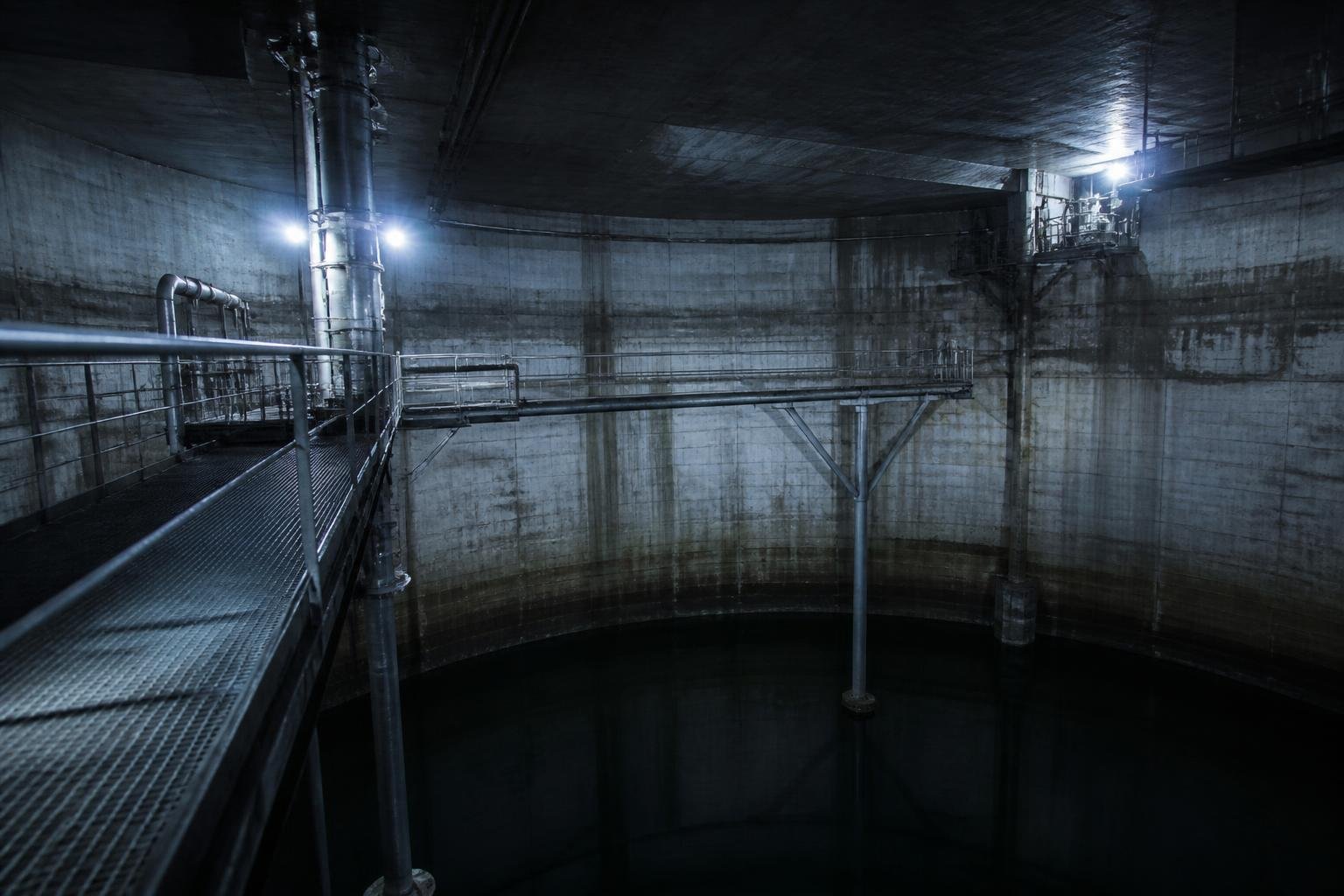
The Hormuz shock: From $60 to over $100 in a short space of time
Disruptions to the Strait of Hormuz — which normally handles roughly 20 percent of global oil trade — sent Brent prices from around $60 per barrel to over $100, before stabilising at approximately $90. According to JP Morgan analyses, reduced reserve capacity alone can add a risk premium of $20–30 per barrel during periods of geopolitical turmoil.
For context: A sustained price increase of $25 per barrel over one quarter could reduce US GDP by around 0.3 percent and push core inflation up by a corresponding amount, according to economists cited in market analyses from OilPrice.com and related source material.

Vulnerable sectors and inflationary pressure
High oil prices hit broadly. The aviation industry, where jet fuel accounts for 20–30 percent of operating costs, is particularly exposed. Transport, agriculture, and retail all absorb higher energy costs — and a significant portion of this is passed on to consumers.
Mark Zandi, chief economist at Moody's Analytics, has warned that persistently high energy prices will hit lower- and middle-income groups hardest, and that Americans could face gasoline prices of $4 per gallon if the Strait of Hormuz remains unstable over time.
The Fed in a bind — and ripple effects for risk assets
Energy prices are putting central banks in a difficult position. CME Group's rate probability matrix indicates a greater than 68 percent probability that the Federal Reserve will raise rates to 4.00 percent at the FOMC meeting on 16 September 2026. Markets are therefore pricing in further tightening — in an economy already showing signs of weakness in the labour market.
This has consequences well beyond the energy sector. Risk assets such as equities and cryptocurrencies react to interest rate expectations. Bitcoin is trading at around $77,000 as of 2 September 2026, but has shown marked volatility throughout the conflict — including a drop of nearly 24 percent from $78,000 to $65,000 in February. Analysts describe Bitcoin as a "high-beta liquidity asset" rather than a pure inflation hedge during geopolitical shocks, in line with findings from the IMF.
The Norwegian angle: Oil revenues meet uncertainty
For Norway, the picture is ambiguous. High oil prices boost export revenues and the government's petroleum income via the state budget, but also bring imported inflation through freight and commodity costs. Norges Bank is closely monitoring Fed dynamics; sustained international energy pressure will complicate Norway's interest rate path heading into 2027.
What happens next?
The central risk is not necessarily that oil prices will rise dramatically from current levels — but that the world now lacks the shock-absorbing capacity that existed in the SPR and OECD reserves before the conflict broke out. If a new supply shock occurs, markets will face it with far weaker buffers.
Veteran analyst Ed Yardeni has not ruled out a scenario resembling the stagflation of the 1970s, should disruptions to critical supply corridors persist. The question is not whether the SPR should be replenished — but whether there is the political and logistical room to do so quickly enough.
This article was written using large language models under editorial supervision by Aprex. Content is source-verified and auditable. Read our method →