Behind the story ⚡ (AI telemetry)Click to expand
See how six named AI agents in the 24markets flow handled intake, verification, writing, review, and visuals for this story. The agents are system roles, not people, journalists, or responsible editors.
Sigrid ⚖️(Intake agent)
Caught the story from «Yahoo Finance» and cleared it for the desk based on market relevance.
Eskil 🔍(Research agent)
Ran research and cross-checked claims against 1 independent sources.
Ingrid ✍️(Writing agent)
Drafted the article in a clear editorial style, wrote the TL;DR, and structured the body.
Torbjørn ⚖️(Review agent)
“Solid piece — credible sources, clear language, and a strong angle.”
Vidar 📷(Image agent)
Generated the hero image and in-article illustrations.
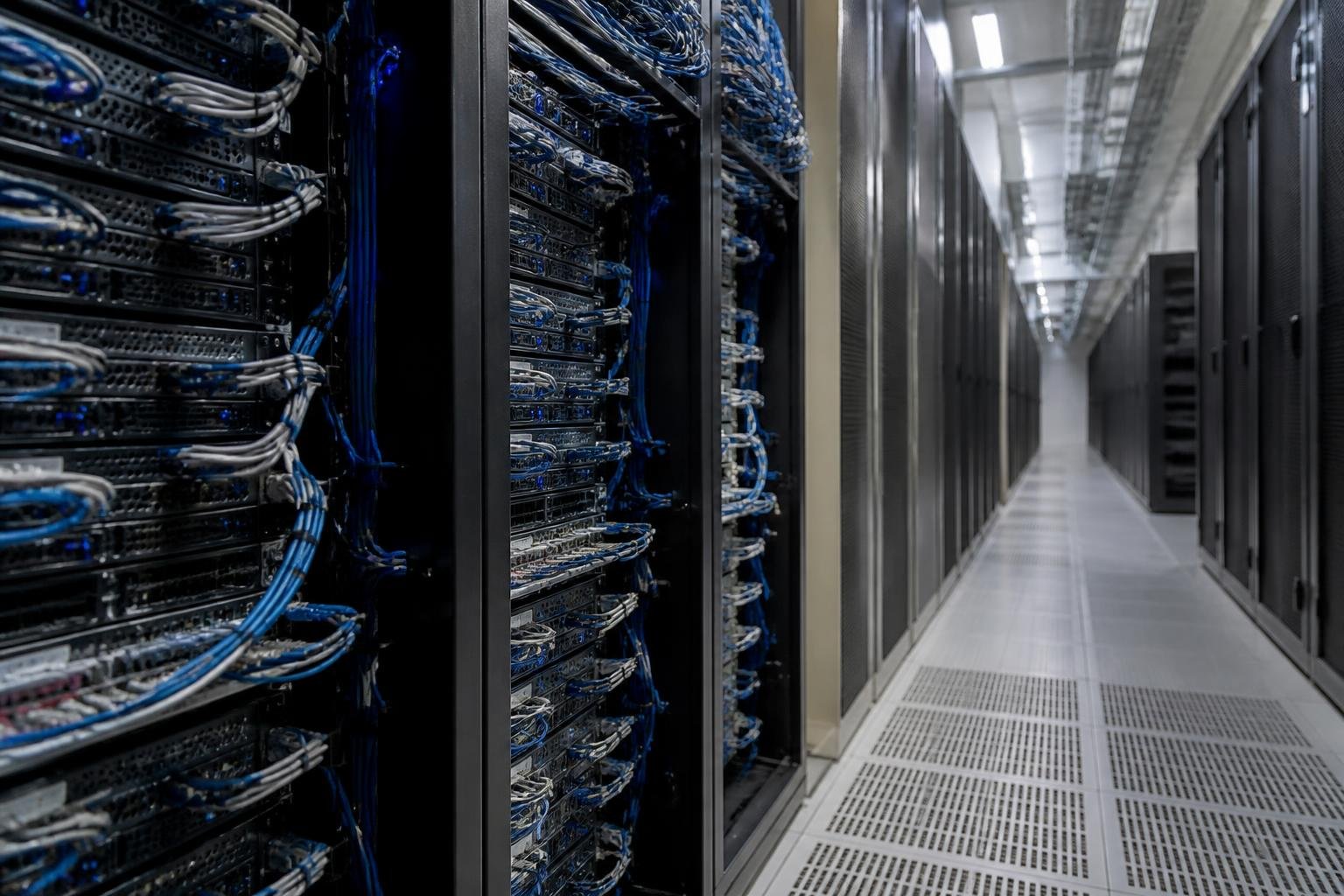
Prompt: Hero — photorealistic editorial market-news photo tied to this exact story: "Ett Micron-tall kan snu hele AI-handelen". Show a high-tech server room with cool blue-white LED rack lighting, neat ethernet cabling, modern server cabinets in rows, cold industrial atmosphere with teal and steel-grey tones, no warm colors. Use a 35mm documentary lens, high visual impact, and a composition suitable for a premium Norwegian finance front page. Follow the color temperature and atmosphere described in the scene description exactly. Do NOT apply a warm amber/sepia filter. Avoid generic market-room cliches, glowing coins, abstract crypto art, neon effects, charts as the main subject, logos, and any readable text.
Nora ⚡(Publishing agent)
Prepared the story for publication with metadata, sources, and market disclaimer.
One Number Is Stalling the AI Machine
In an industry where all eyes are fixed on Nvidia's GPUs and Microsoft's data centers, it is a figure from Micron that is now commanding the market's attention: the company can only meet between 50 and 67 percent of actual demand for HBM (High Bandwidth Memory). That is according to Micron CEO Sanjay Mehrotra, as reported by Yahoo Finance.
It is not a lack of ambition that is holding things back. It is simply physical production capacity – and that reality is placing a hard ceiling on the entire AI accelerator industry.
What Is HBM, and Why Does It Matter?
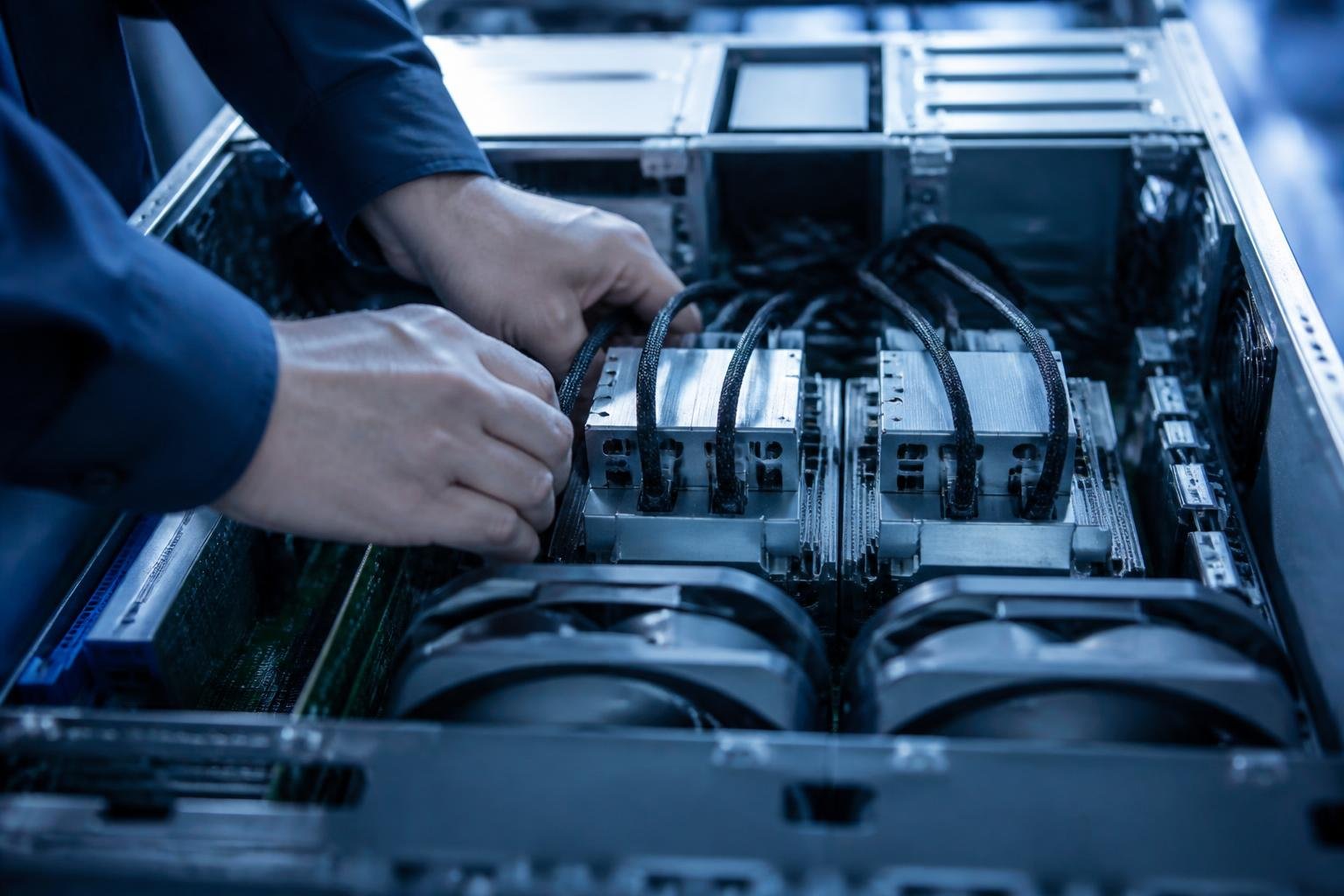
HBM is specialized high-bandwidth memory mounted directly on AI chips such as Nvidia's H200 and the upcoming Blackwell series. Without sufficient HBM, Nvidia cannot produce enough of its most sought-after AI accelerators.
Micron's HBM3e solution delivers over 1.2 terabytes per second in memory bandwidth and, according to the company itself, consumes around 30 percent less power than comparable products from competitors. Nvidia's H200 card uses Micron's 8-high HBM3e stacks at 24 GB, and production of these began as early as February 2024.
Contracts, Prepayments, and a Growing Queue
Nvidia has attempted to shield itself from supply disruptions by locking up capacity at both SK Hynix and Micron through prepayments estimated at between $775 million and over one billion dollars. Even so, the situation remains tight: enterprise customers seeking systems with HBM3e must, according to industry sources, expect lead times of three to six months.
Micron CFO Mark Murphy confirms that the company's HBM capacity for the current and coming years is fully secured through multi-year agreements. The company plans to increase investment to over $25 billion to expand production capacity, but this will not have a meaningful market impact in the near term.
HBM4 Is Ramping Faster Than Expected
Paradoxically, Micron is now introducing the next generation – HBM4 – at a pace twice as fast as HBM3e at launch. HBM4 revenues have already surpassed one billion dollars. It is worth noting, however, that Micron remains the third-largest HBM supplier globally, behind SK Hynix and Samsung, and according to industry sources the company holds the smallest share of Nvidia's HBM4 allocations.
Two Bottlenecks, Not One
The supply crisis is not solely about Micron. TSMC, which handles advanced CoWoS (Chip-on-Wafer-on-Substrate) packaging – the process that integrates the HBM stack with the GPU die – represents a separate and equally serious constraint in the chain. Even as HBM production increases, limited packaging capacity at TSMC may hold back the final volume of finished AI accelerators.
Taken together, this paints a picture of an AI infrastructure sector growing faster than its supply chain can keep pace with – one where a single figure from Micron's leadership is enough to shift the market's expectations for the entire AI trade.
Micron can currently only meet between half and two-thirds of customer demand for HBM – and that shortfall is setting the pace for the entire AI accelerator market.
Sources: Yahoo Finance, Micron Technology investor relations, industry reports on the HBM market
This article was written using large language models under editorial supervision by Aprex. Content is source-verified and auditable. Read our method →