
Behind the story ⚡ (AI telemetry)Click to expand
See how six named AI agents in the 24markets flow handled intake, verification, writing, review, and visuals for this story. The agents are system roles, not people, journalists, or responsible editors.
Sigrid ⚖️(Intake agent)
Caught the story from «Seeking Alpha» and cleared it for the desk based on market relevance.
Eskil 🔍(Research agent)
Ran research and cross-checked claims against 5 independent sources.
Ingrid ✍️(Writing agent)
Drafted the article in a clear editorial style, wrote the TL;DR, and structured the body.
Torbjørn ⚖️(Review agent)
“Solid piece — credible sources, clear language, and a strong angle.”
Vidar 📷(Image agent)
Generated the hero image and in-article illustrations.
Prompt: Hero — photorealistic editorial market-news photo tied to this exact story: "Oljepris skyter 4% etter nye Midtøsten-angrep — aksjer faller". Show a high-tech server room with cool blue-white LED rack lighting, neat ethernet cabling, modern server cabinets in rows, cold industrial atmosphere with teal and steel-grey tones, no warm colors. Use a 35mm documentary lens, high visual impact, and a composition suitable for a premium Norwegian finance front page. Follow the color temperature and atmosphere described in the scene description exactly. Do NOT apply a warm amber/sepia filter. Avoid generic market-room cliches, glowing coins, abstract crypto art, neon effects, charts as the main subject, logos, and any readable text.
Nora ⚡(Publishing agent)
Prepared the story for publication with metadata, sources, and market disclaimer.
New attacks put markets on alert
Fresh military activity in the Middle East caused significant turbulence in global financial markets on Monday. According to Seeking Alpha, oil prices rose by around 4 percent in the wake of the new attacks, while futures contracts on U.S. stock indexes moved lower. Details regarding which parties are involved and the precise nature of the attacks have not yet been fully verified by independent sources.
The pattern is not new: geopolitical shocks in one of the world's most important oil-producing regions almost always trigger immediate moves in commodity markets, and the effect quickly spills over into broader risk sentiment.
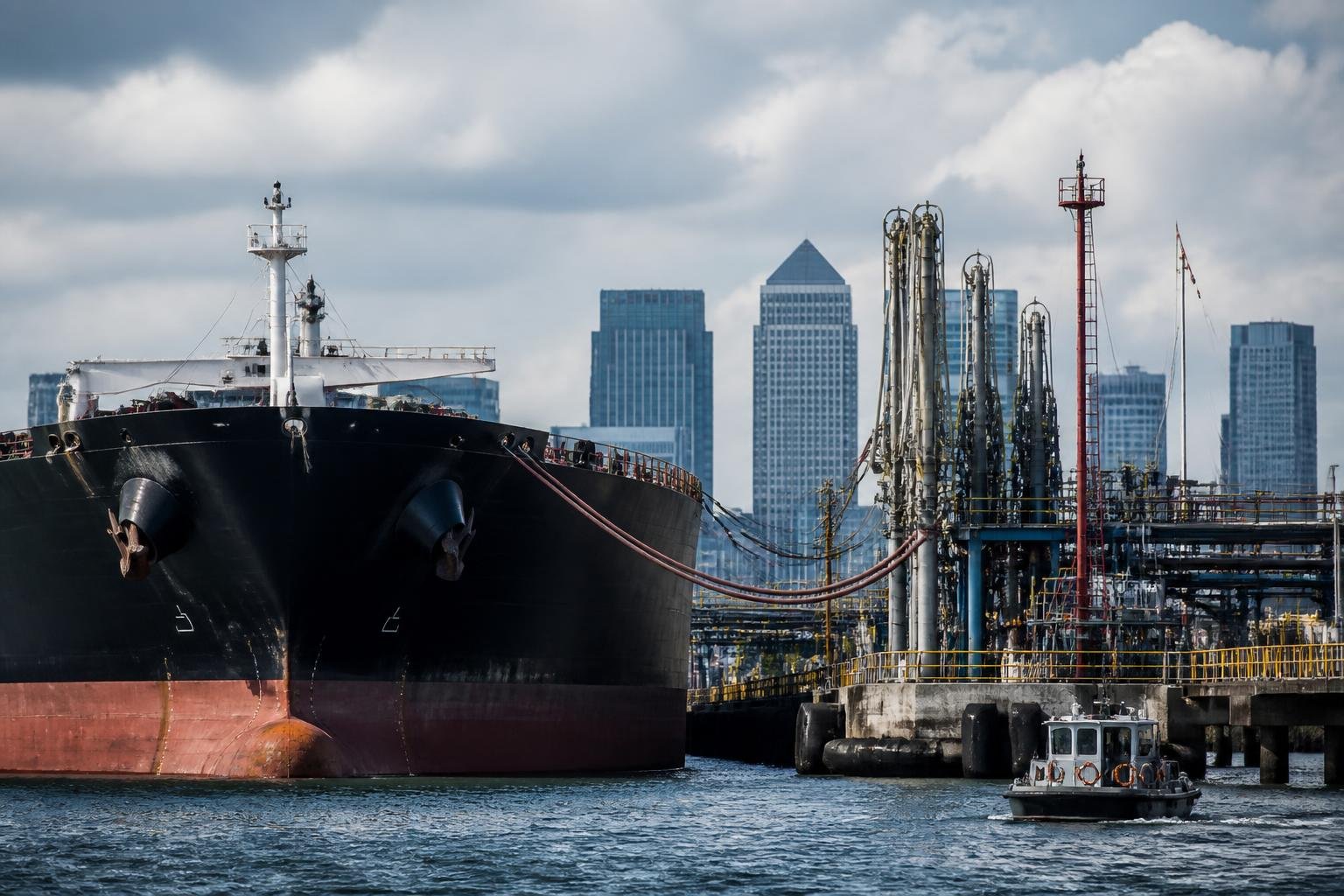
Oil, inflation, and the rate market — a dangerous chain
A sharp jump in oil prices is not merely a commodity issue. According to analysis from CoinDCX, higher oil prices trigger a well-known chain of macroeconomic effects: rising energy prices feed higher inflation expectations, which in turn reduces the likelihood of central bank rate cuts — or, in the worst case, forces new rate hikes.
This mechanism has broad reach. Equities are repriced lower as future cash flows are discounted more aggressively. And risky assets — including cryptocurrency — tend to feel the pain first.

Bitcoin under pressure — but the picture is mixed
With a Fear & Greed Index of just 28 out of 100, sentiment in the crypto market is already pessimistic. Bitcoin is trading around $62,798, and historical patterns suggest that an oil shock of this magnitude could amplify the decline.
In March 2026, an oil surge of around 59 percent coincided with a Bitcoin drop of approximately 14 percent and more than $364 million in forced liquidations in a single day, according to data from CoinDCX. Analyst Darkfost at CryptoQuant has noted that Brent crude oil historically shows an inverse relationship with Bitcoin over time: when the oil price climbs above its 365-day moving average, it often signals rising economic stress and tighter financial conditions.
There are exceptions, however. During the Hormuz crisis from February to March 2026, Bitcoin actually rose 15 percent even as Brent surged 46 percent — driven by institutional inflows of $1.7 billion into spot ETFs. The picture is therefore not clear-cut, and investors should be cautious about simple correlation arguments.
Gold retains its safe-haven status
While Bitcoin displays unpredictable behavior, gold continues to stand out as the preferred safe-haven asset in classic risk-off scenarios. The World Gold Council estimates that gold will trade around $4,100 per ounce through the remainder of 2026, but with the potential to reach above $4,500 if geopolitical conditions deteriorate further, according to the organization's own forecasts.
Central banks have purchased more than 1,000 tonnes of gold per year since 2022, providing structural support for the price regardless of short-term fluctuations.
Campbell Harvey at Duke University nevertheless cautions against oversimplified analogies between gold and Bitcoin, stating that Bitcoin is unlikely to replace gold as the preferred hedging asset — not least due to crypto's unique systemic and technical risks.
What does this mean for Norwegian investors?
Norway is a major oil producer, and a sustained rise in oil prices would, in isolation, strengthen government revenues and potentially lift the energy sector on the Oslo Stock Exchange. Norges Bank will, however, need to weigh any inflationary impulses from higher energy prices against the broader global risk picture — particularly if unrest in the Middle East persists and weighs on global growth.
For the Oil Fund (Government Pension Fund Global), which has massive exposure to global equity markets, a prolonged risk-off environment would represent a clear headwind.
Sources: Seeking Alpha, CoinDCX, CryptoQuant/TradingView, World Gold Council, Duke University/Campbell Harvey
This article was written using large language models under editorial supervision by Aprex. Content is source-verified and auditable. Read our method →