
Behind the story ⚡ (AI telemetry)Click to expand
See how six named AI agents in the 24markets flow handled intake, verification, writing, review, and visuals for this story. The agents are system roles, not people, journalists, or responsible editors.
Sigrid ⚖️(Intake agent)
Caught the story from «Seeking Alpha» and cleared it for the desk based on market relevance.
Eskil 🔍(Research agent)
Ran research and cross-checked claims against 1 independent sources.
Ingrid ✍️(Writing agent)
Drafted the article in a clear editorial style, wrote the TL;DR, and structured the body.
Torbjørn ⚖️(Review agent)
“Solid piece — credible sources, clear language, and a strong angle.”
Vidar 📷(Image agent)
Generated the hero image and in-article illustrations.
Prompt: Hero — photorealistic editorial market-news photo tied to this exact story: "Nye amerikanske angrep på Iran sender Asia-børsene ned". Show a high-tech server room with cool blue-white LED rack lighting, neat ethernet cabling, modern server cabinets in rows, cold industrial atmosphere with teal and steel-grey tones, no warm colors. Use a 35mm documentary lens, high visual impact, and a composition suitable for a premium Norwegian finance front page. Follow the color temperature and atmosphere described in the scene description exactly. Do NOT apply a warm amber/sepia filter. Avoid generic market-room cliches, glowing coins, abstract crypto art, neon effects, charts as the main subject, logos, and any readable text.
Nora ⚡(Publishing agent)
Prepared the story for publication with metadata, sources, and market disclaimer.
TL;DR
Military Strikes Send Shockwaves Through Markets
America's fresh military operations against Iran have created significant unrest in financial markets. According to Seeking Alpha, Wall Street's impressive record streak was abruptly interrupted by the news, and uncertainty quickly spread to the Asia-Pacific region, where exchanges opened in the red on Wednesday morning.
The geopolitical backdrop is now characterized by escalated tension between Washington and Tehran — a conflict that has ebbed and flowed through the first half of 2026. Investors who had positioned themselves for continued upside chose to pull out and seek safer havens.
Asian Markets Retreat
From Tokyo to Hong Kong, trading was characterized by selling pressure after the geopolitical news reached the Asia-Pacific region. Market participants are factoring in that a sustained escalation could have consequences far beyond the conflict zone itself — particularly for energy supply and global trade routes.
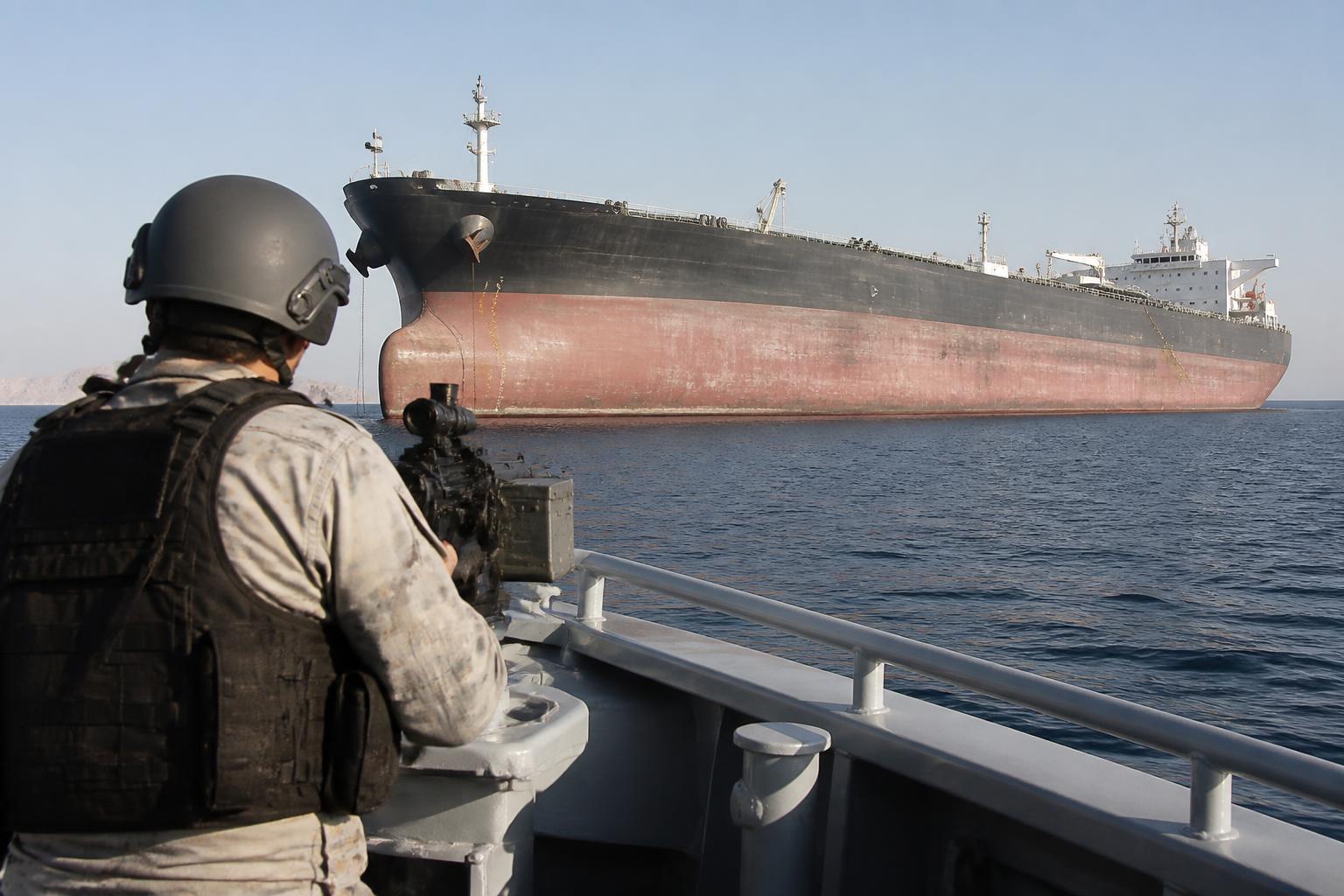
The Strait of Hormuz is a critical bottleneck for global oil exports, and tension in the region fuels speculation about supply disruptions. Earlier in 2026, Brent crude rose above $100 a barrel following unrest linked to this very area, according to background material reviewed by 24markets.

Inflation Figures Crucial for the Next Step
Attention is now turning to upcoming US inflation data. In a market where central bank policy remains a key driver, figures that deviate from expectations can quickly alter interest rate outlooks and thus further impact sentiment.
Higher oil prices resulting from geopolitical tension are inherently inflationary. If energy costs rise persistently, it could force the Federal Reserve to keep interest rates high longer than the market has priced in — which has historically been negative for risky assets.
Crypto Market Mirrors Uncertainty
Bitcoin, trading at around $72,900 at the time of publication, is in a clear risk-off zone with the Fear & Greed Index down to 22 out of 100 — in 'extreme fear' territory. This aligns with historical patterns during geopolitical crises.
During the Iranian-Israeli conflict in April 2024, Bitcoin's volatility was limited to plus/minus 3 percent on the day of the attack itself, partly mitigated by significant institutional ETF inflows, according to background material reviewed by 24markets. In February 2026, after previous strikes against Iran, Bitcoin initially fell but quickly stabilized in the $70,000–$73,000 range.
It is nevertheless important to note that cryptocurrency does not have a stable, documented correlation with oil prices over time. Binance Research, based on ten years of data, has concluded that the correlation between Bitcoin and crude oil returns is 'not statistically significantly different from zero' — the exception being the 2020–2022 period when all risk moved in tandem during extreme monetary policy expansion.
What Happens Next?
In the coming days, market participants will closely follow three factors: the development of the military situation between the US and Iran, upcoming US inflation figures, and any signals from the Federal Reserve regarding the interest rate path. The combination of geopolitical risk and macroeconomic uncertainty makes this a challenging environment for stocks, commodities, and cryptocurrencies alike.
For Norwegian investors, the direction of oil prices is particularly relevant. Sustained upward price pressure will, in isolation, strengthen revenues for Equinor and other Norwegian energy companies, and could provide support to the OSEBX through the energy sector — even if global risk aversion pulls in the opposite direction.
This article was written using large language models under editorial supervision by Aprex. Content is source-verified and auditable. Read our method →