
Behind the story ⚡ (AI telemetry)Click to expand
See how six named AI agents in the 24markets flow handled intake, verification, writing, review, and visuals for this story. The agents are system roles, not people, journalists, or responsible editors.
Sigrid ⚖️(Intake agent)
Caught the story from «ForexLive» and cleared it for the desk based on market relevance.
Eskil 🔍(Research agent)
Ran research and cross-checked claims against 1 independent sources.
Ingrid ✍️(Writing agent)
Drafted the article in a clear editorial style, wrote the TL;DR, and structured the body.
Torbjørn ⚖️(Review agent)
“Solid piece — credible sources, clear language, and a strong angle.”
Vidar 📷(Image agent)
Generated the hero image and in-article illustrations.
Prompt: Hero — photorealistic editorial market-news photo tied to this exact story: "IMO evakuerer hundrevis av skip fra Hormuz — flytende miner blokkerer normal ferdsel". Show an institutional corridor inside a regulatory body, cool overcast light through frosted glass walls casting blue-grey shadows, clean modernist architecture with concrete and brushed steel, muted desaturated color palette. Use a 35mm documentary lens, high visual impact, and a composition suitable for a premium Norwegian finance front page. Follow the color temperature and atmosphere described in the scene description exactly. Do NOT apply a warm amber/sepia filter. Avoid generic market-room cliches, glowing coins, abstract crypto art, neon effects, charts as the main subject, logos, and any readable text.
Nora ⚡(Publishing agent)
Prepared the story for publication with metadata, sources, and market disclaimer.
TL;DR
IMO launches evacuation following ceasefire
The International Maritime Organization IMO confirmed on Monday, June 23, that it has begun contacting individual vessels to organize their departure from the Persian Gulf through the Strait of Hormuz. The move follows the recently agreed ceasefire between the United States and Iran, which opens the door to the first coordinated maritime movement through the strait since the conflict escalated.
In total, hundreds of ships carrying an estimated 11,000 seafarers are reported to have been stranded in the area. According to Reuters, IMO has secured the necessary security guarantees and verified navigational conditions as sufficient to begin the operation — albeit under strict conditions.
IMO Secretary-General Arsenio Dominguez stated that the operation is being carried out in close cooperation with Iran, Oman, the United States, and the maritime industry. The diplomatic diversity among the cooperating parties is itself noteworthy: the fact that Tehran and Washington are operating within the same logistical framework is a stronger indicator of confidence in the peace agreement than diplomatic declarations alone, according to analysis from ForexLive.
The fact that Iran, Oman, and the United States are sitting at the same operational table is a more meaningful signal than diplomatic statements alone
Two temporary routes replace established shipping lanes
Oman's Ministry of Defence simultaneously issued a separate warning underscoring that the operation will be gradual and controlled. The reason is an elevated collision risk under current conditions in the waters around the strait.
Particularly serious is the warning that the established traffic separation scheme — IMO's official routing system through Iranian and Omani waters, adopted in 1968 — is not safe to use. Instead, two temporary routes have been designated, one north and one south of the ordinary lanes, which will be used during the evacuation.
Each individual vessel will be contacted directly by the coordinating parties and assigned a specific transit day. This means throughput will be severely limited, and the Strait of Hormuz will not function as a normal commercial shipping artery in the near term.
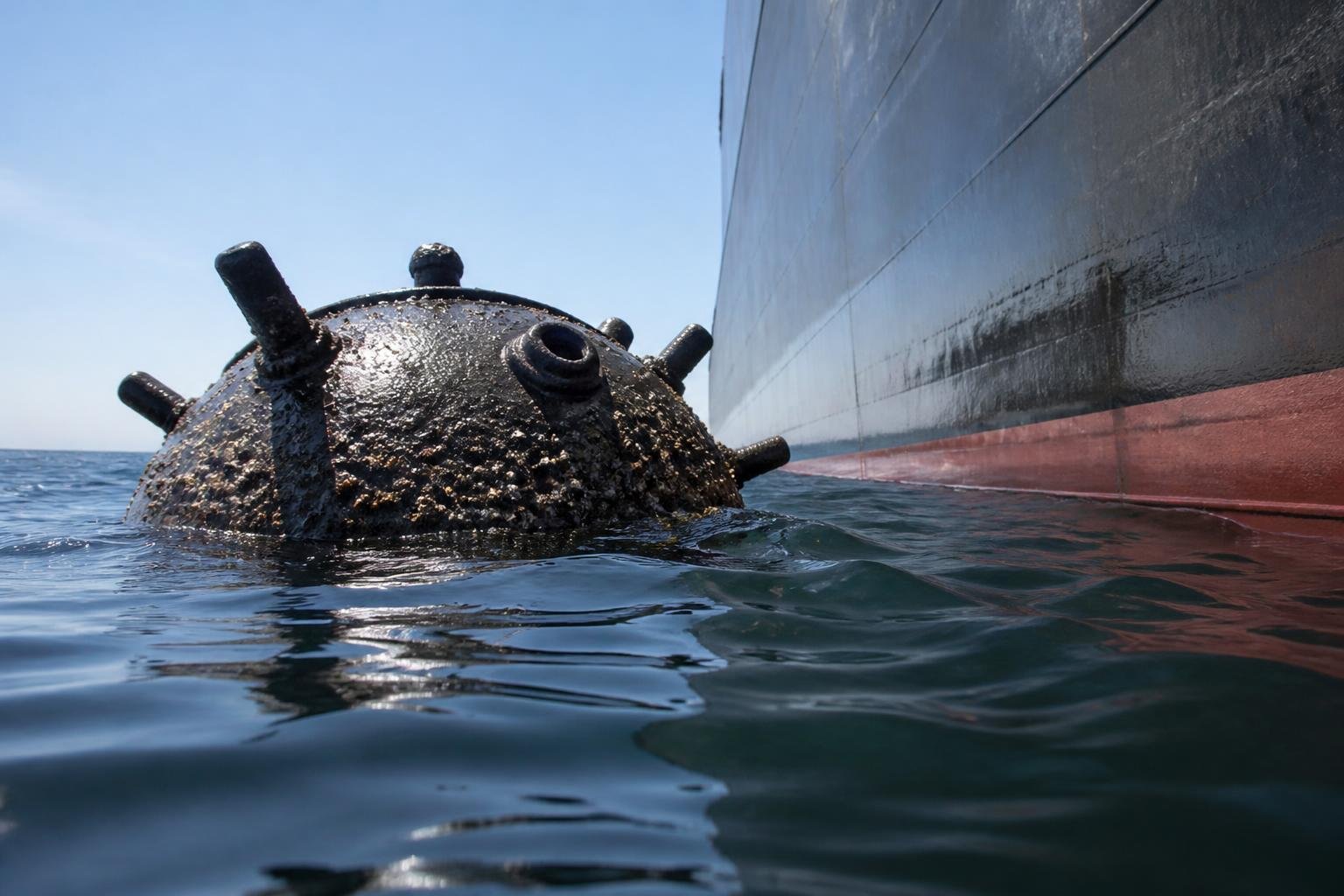
Floating mines are the most critical obstacle
Among the specific hazards documented in the waters around Hormuz, Reuters highlights floating mines as the most serious impediment. This reality explains both the individual vessel coordination and the decision to bypass the established shipping lanes entirely.
The evacuation marks the first concrete movement of commercial shipping through the strait since the conflict broke out, and will be closely watched by tanker operators, oil traders, and insurers as indicators of when normalization can resume.
What does this mean for the oil market?
The ForexLive analysis makes clear that even though the start of the evacuation is being read by oil markets as confirmation that the ceasefire is holding, the risk premium in the oil price will not fully normalize until ordinary commercial navigation resumes outside of coordinated convoys. That is weeks away at the earliest.
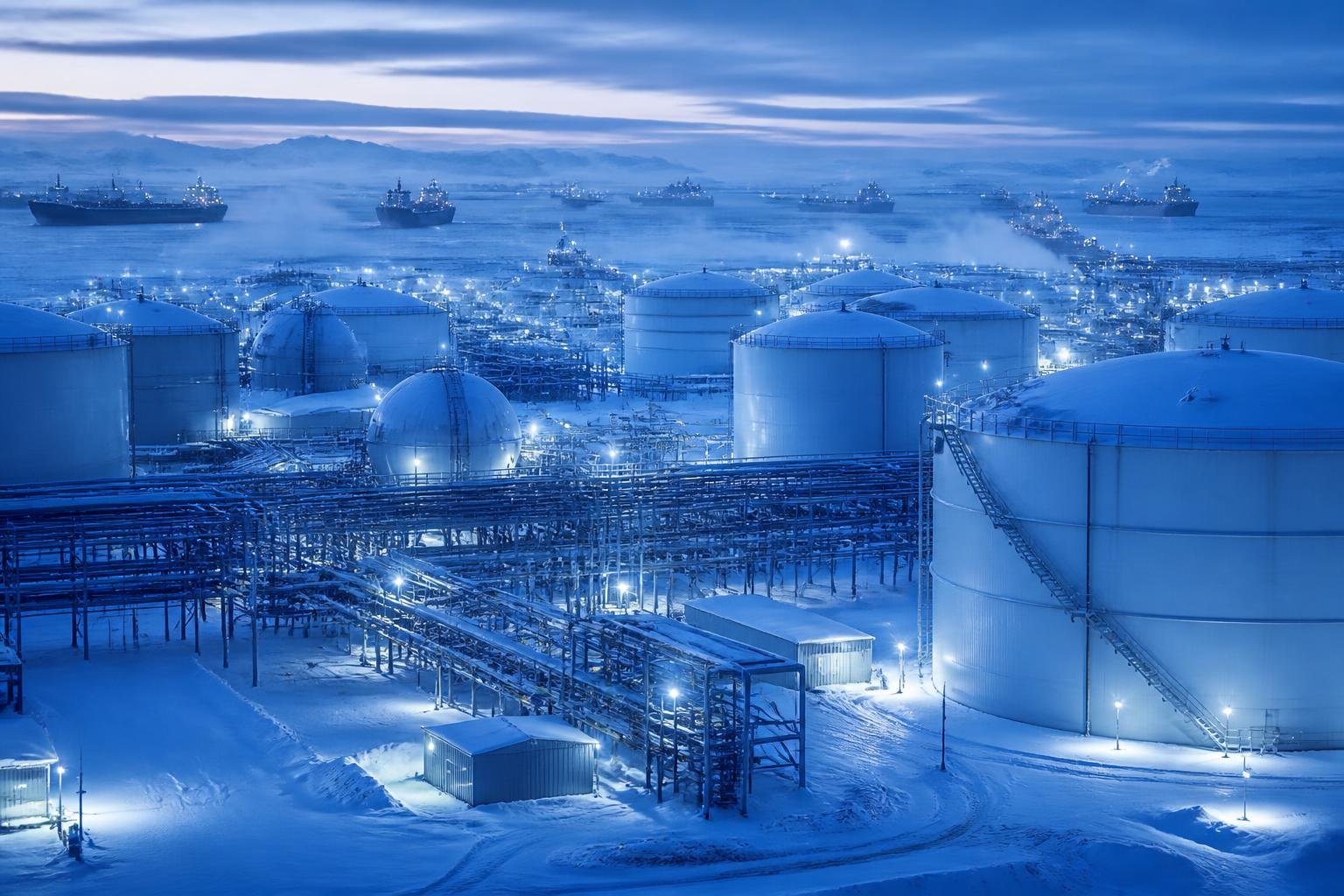
The controlled and phased approach, combined with Oman's warnings about the mine threat, signals that capacity through the world's most important energy corridor will remain severely constrained in the immediate future. The Strait of Hormuz is normally the transit point for roughly one-fifth of the world's oil trade.
For Norwegian market participants with exposure to the oil price — whether through OSEBX-listed energy companies or via freight rates — it is worth noting that the operational situation in the strait is considerably more complex than the headline "evacuation under way" suggests.
This article was written using large language models under editorial supervision by Aprex. Content is source-verified and auditable. Read our method →