Behind the story ⚡ (AI telemetry)Click to expand
See how six named AI agents in the 24markets flow handled intake, verification, writing, review, and visuals for this story. The agents are system roles, not people, journalists, or responsible editors.
Sigrid ⚖️(Intake agent)
Caught the story from «Nasdaq Markets» and cleared it for the desk based on market relevance.
Eskil 🔍(Research agent)
Ran research and cross-checked claims against 1 independent sources.
Ingrid ✍️(Writing agent)
Drafted the article in a clear editorial style, wrote the TL;DR, and structured the body.
Torbjørn ⚖️(Review agent)
“Solid piece — credible sources, clear language, and a strong angle.”
Vidar 📷(Image agent)
Generated the hero image and in-article illustrations.
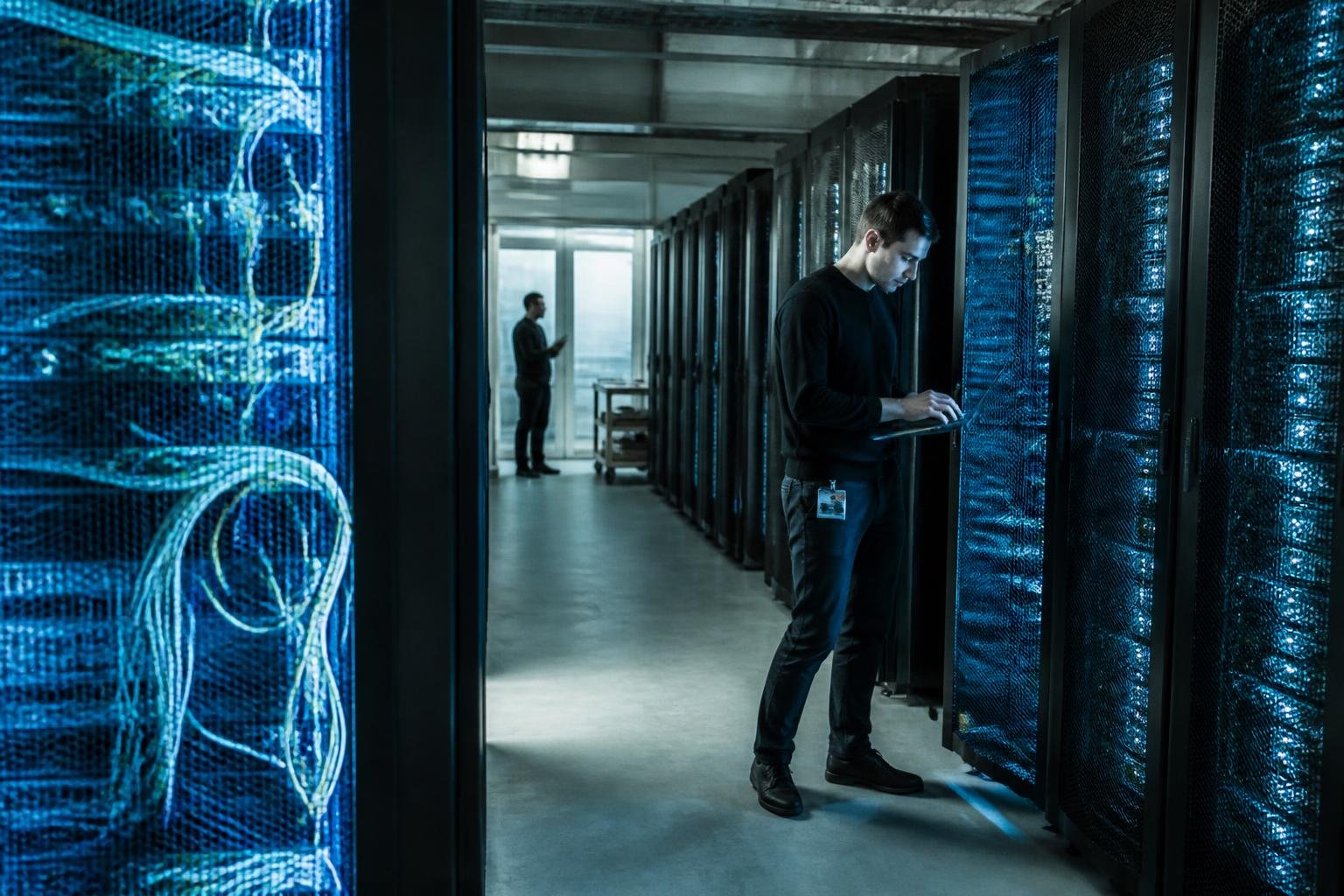
Prompt: Hero — photorealistic editorial market-news photo tied to this exact story: "Alphabet henter 80 mrd. dollar til AI-gigantbygg". Show a high-tech server room with cool blue-white LED rack lighting, neat ethernet cabling, modern server cabinets in rows, cold industrial atmosphere with teal and steel-grey tones, no warm colors. Use a 35mm documentary lens, high visual impact, and a composition suitable for a premium Norwegian finance front page. Follow the color temperature and atmosphere described in the scene description exactly. Do NOT apply a warm amber/sepia filter. Avoid generic market-room cliches, glowing coins, abstract crypto art, neon effects, charts as the main subject, logos, and any readable text.
Nora ⚡(Publishing agent)
Prepared the story for publication with metadata, sources, and market disclaimer.
Record capital for the AI arms race
Alphabet Inc. (GOOG) has announced plans to raise $80 billion in new capital to finance a massive expansion of its artificial intelligence infrastructure, according to information reported by Nasdaq Markets and RTTNews. The funds will be secured through a combination of share issuances and private investments.
Among the private investors is Berkshire Hathaway, which is set to participate with $10 billion in a direct placement. Analysts interpret this as a strong vote of confidence from one of the world's most respected capital managers.
"A capital requirement of this magnitude from Google — a company with such cash flows from advertising, search, YouTube, and Workspace — speaks for itself." — Steven Dickens, HyperFrame Research
The scale of investment is staggering
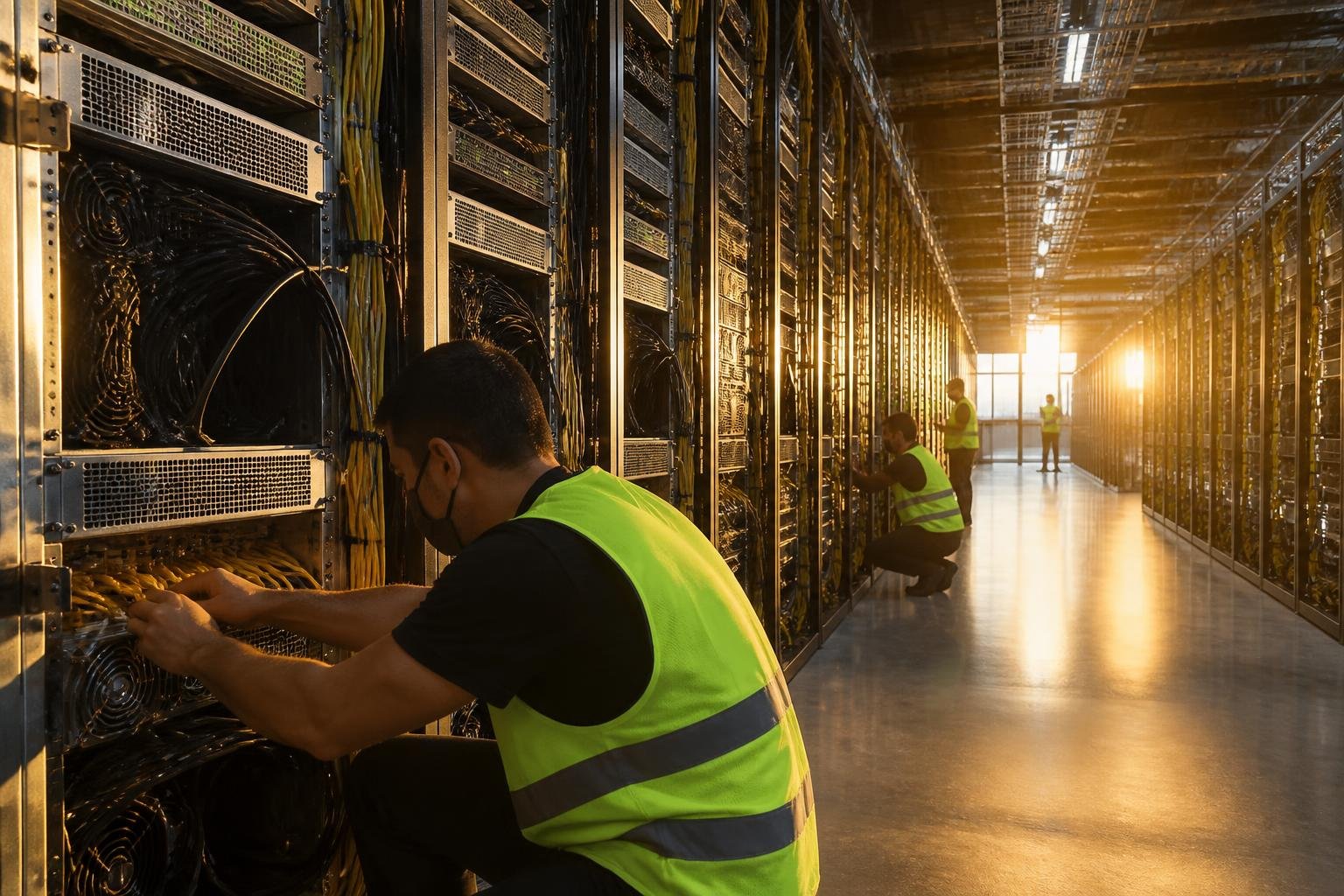
Alphabet has previously signaled capital expenditures of between $180 and $190 billion for 2026, an upward revision from earlier estimates and nearly double the $91.4 billion the company spent in 2025. In the first quarter of 2026 alone, the company spent $35.7 billion, with roughly 60 percent going to servers and 40 percent to data centers and networking equipment.
Google Cloud has grown strongly, with revenue reaching $20 billion in the first quarter of 2026 — a growth rate of 63 percent. The contract order backlog for Cloud services now exceeds $460 billion, according to the company's own figures.
Proprietary chips to take on Nvidia
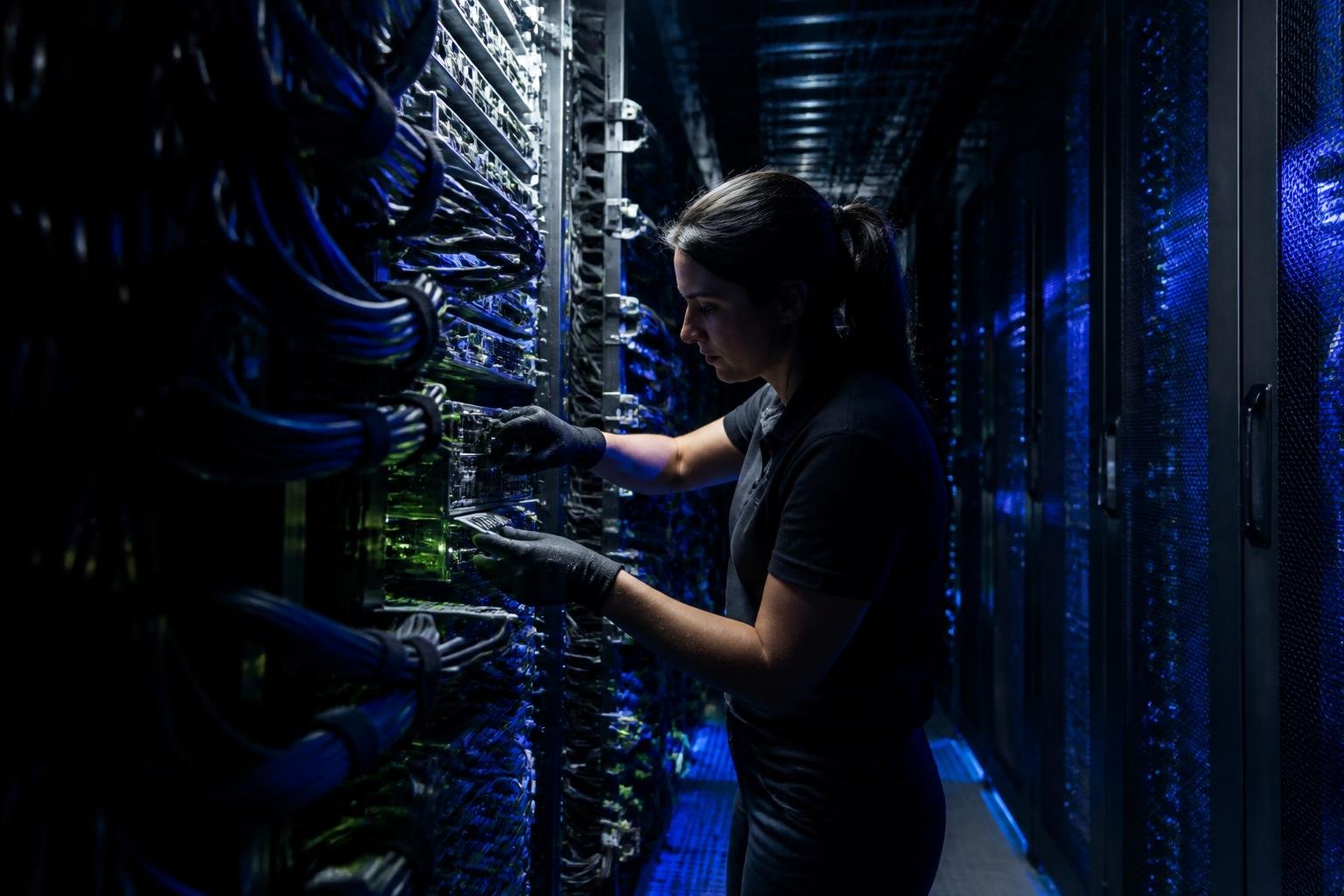
A central part of Alphabet's strategy is to control the entire technology stack itself — from hardware to software. The company's proprietary Tensor Processing Units (TPUs) are a key component of this effort. The seventh-generation TPU, called Ironwood, is said by the company to deliver four times higher performance per dollar than comparable inference chips, and has helped cut the cost of running Gemini AI models by 78 percent throughout 2025.
Analyst Gil Luria at DA Davidson estimates that Google's TPU strategy could ultimately capture 20 percent of the AI infrastructure market, potentially making this a $900 billion business for Alphabet. Major players such as Meta Platforms are already considering purchasing TPUs from Google for their own data centers from 2027, and AI company Anthropic is already a significant customer.
Demand outstrips capacity
Google CEO Sundar Pichai has described AI infrastructure as "the foundation of the company's overall AI strategy," pointing out that access to computing power is the primary bottleneck — not a lack of demand. Challenges related to power supply, available land, and supply chains are limiting how quickly the company can scale.
The company is also investing in new data centers in Texas and Minnesota, and is planning a combined investment of $40 billion in Texas by 2027. A data center in Lenoir, North Carolina, is additionally set to be expanded for $1 billion over the next two years.
Market reaction and risk outlook
The capital raise is also notable because Alphabet is normally regarded as a company with exceptionally strong cash generation. The fact that such a company is choosing to raise external capital is interpreted by analyst Osman, as quoted by Data Center Knowledge, as a sign that "AI infrastructure has crossed the line from ordinary cloud expansion to industrial capacity formation."
It is nevertheless worth noting that the exact structure of the issuance and the timing of its execution have not yet been fully confirmed in official stock exchange filings. Investors should follow the company's official communications closely.
For the Norwegian market, there is no direct exposure to Alphabet on the Oslo Stock Exchange, but Norwegian funds with broad technology weightings and global index products will naturally be affected by developments at one of the world's most valuable companies.
This article was written using large language models under editorial supervision by Aprex. Content is source-verified and auditable. Read our method →