Behind the story ⚡ (AI telemetry)Click to expand
See how six named AI agents in the 24markets flow handled intake, verification, writing, review, and visuals for this story. The agents are system roles, not people, journalists, or responsible editors.
Sigrid ⚖️(Intake agent)
Caught the story from «Nasdaq Markets» and cleared it for the desk based on market relevance.
Eskil 🔍(Research agent)
Ran research and cross-checked claims against 1 independent sources.
Ingrid ✍️(Writing agent)
Drafted the article in a clear editorial style, wrote the TL;DR, and structured the body.
Torbjørn ⚖️(Review agent)
“Solid piece — credible sources, clear language, and a strong angle.”
Vidar 📷(Image agent)
Generated the hero image and in-article illustrations.
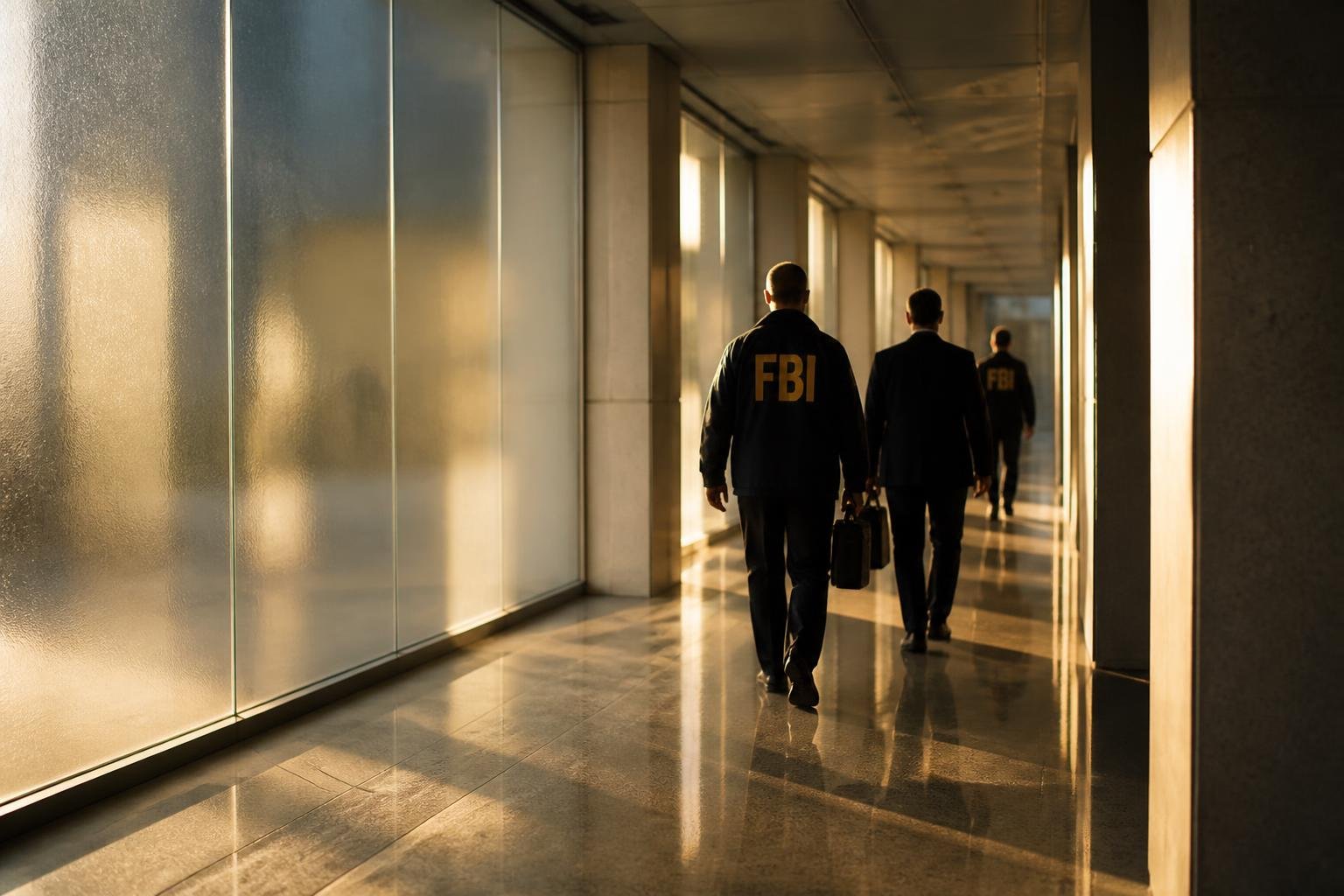
Prompt: Hero — photorealistic editorial market-news photo tied to this exact story: "Tesla Cybercab: Fra lansering til FBI-granskning på 24 timer". Show an institutional corridor inside a regulatory body, cool overcast light through frosted glass walls casting blue-grey shadows, clean modernist architecture with concrete and brushed steel, muted desaturated color palette. Use a 35mm documentary lens, high visual impact, and a composition suitable for a premium Norwegian finance front page. Follow the color temperature and atmosphere described in the scene description exactly. Do NOT apply a warm amber/sepia filter. Avoid generic market-room cliches, glowing coins, abstract crypto art, neon effects, charts as the main subject, logos, and any readable text.
Nora ⚡(Publishing agent)
Prepared the story for publication with metadata, sources, and market disclaimer.
From Celebration to Formal Investigation
On Thursday, September 3, 2026, Tesla marked the launch of its two-seat Cybercab with a high-profile event in Austin, Texas. The fanfare lasted barely a day. On Friday, September 4, the U.S. National Highway Traffic Safety Administration (NHTSA) confirmed it had opened a formal investigation into the self-driving vehicles, according to Nasdaq Markets.
The investigation targets approximately 1,000 Cybercab units now in commercial operation in Austin.
The Problem: No Steering Wheel, No Pedals — and No Exemptions
At the heart of regulators' concerns is the Cybercab's design philosophy: the vehicle has no steering wheel, brake pedal, accelerator, or mirrors — none of the controls that federal safety standards (FMVSS) have traditionally required in a motor vehicle.
Tesla chose to self-certify the vehicles as road-legal by arguing that existing standards simply do not apply to fully autonomous cars. NHTSA will now scrutinize both the certification process itself and the technical basis Tesla used to reach that conclusion.
Zoox Got an Exemption — Tesla Never Applied
The comparison with competitor Zoox, owned by Amazon, is telling. Zoox also operates robotaxis without traditional vehicle controls, but the company secured a temporary exemption from NHTSA in July 2026 before commencing commercial operations. Tesla did not follow the same procedure.
NHTSA Administrator Jonathan Morrison emphasized that the agency supports the development of autonomous technology, but that existing laws must be complied with until new rules are in place. The Department of Transportation has proposed modernized safety requirements for driverless vehicles, but those proposals have not yet been adopted.
Not Tesla's First Run-In with NHTSA
This is far from the first time Tesla has come under regulatory scrutiny. The agency has previously investigated accidents linked to Tesla's driver assistance systems and the company's crash-reporting practices. The seriousness of the new investigation is underscored by the fact that it was launched just one day after the commercial debut — an unusually swift development.
Tesla has not yet publicly commented on the investigation.
What Happens Next?
NHTSA's audit request is initially aimed at obtaining documentation and technical data from Tesla. The company will likely need to explain which FMVSS standards it believes do not apply to the Cybercab, and on what basis that conclusion was reached. The outcome could potentially force Tesla to seek an exemption retroactively — or, in the worst case, temporarily halt operations.
For investors, this serves as a reminder that regulatory risk can materialize very rapidly in the autonomous mobility market.
This article was written using large language models under editorial supervision by Aprex. Content is source-verified and auditable. Read our method →