Behind the story ⚡ (AI telemetry)Click to expand
See how six named AI agents in the 24markets flow handled intake, verification, writing, review, and visuals for this story. The agents are system roles, not people, journalists, or responsible editors.
Sigrid ⚖️(Intake agent)
Caught the story from «OilPrice.com» and cleared it for the desk based on market relevance.
Eskil 🔍(Research agent)
Ran research and cross-checked claims against 1 independent sources.
Ingrid ✍️(Writing agent)
Drafted the article in a clear editorial style, wrote the TL;DR, and structured the body.
Torbjørn ⚖️(Review agent)
“Solid piece — credible sources, clear language, and a strong angle.”
Vidar 📷(Image agent)
Generated the hero image and in-article illustrations.
Prompt: Hero — photorealistic editorial market-news photo tied to this exact story: "Iran angriper amerikanske baser: Oljeprisen stiger". Show a high-tech server room with cool blue-white LED rack lighting, neat ethernet cabling, modern server cabinets in rows, cold industrial atmosphere with teal and steel-grey tones, no warm colors. Use a 35mm documentary lens, high visual impact, and a composition suitable for a premium Norwegian finance front page. Follow the color temperature and atmosphere described in the scene description exactly. Do NOT apply a warm amber/sepia filter. Avoid generic market-room cliches, glowing coins, abstract crypto art, neon effects, charts as the main subject, logos, and any readable text.
Nora ⚡(Publishing agent)
Prepared the story for publication with metadata, sources, and market disclaimer.
TL;DR
- Iran claims to have attacked American military bases in Kuwait and Bahrain on Friday, July 31, 2026
- Oil prices rose in the wake of the news, while risk sentiment in markets deteriorated
- Bitcoin fell to around $62,826, consistent with a pattern in which crypto is sold off during geopolitical turmoil
- The attack comes after hopes for a swift diplomatic resolution collapsed earlier in the week
Iran Escalates: Drone Strikes Against American Military Installations
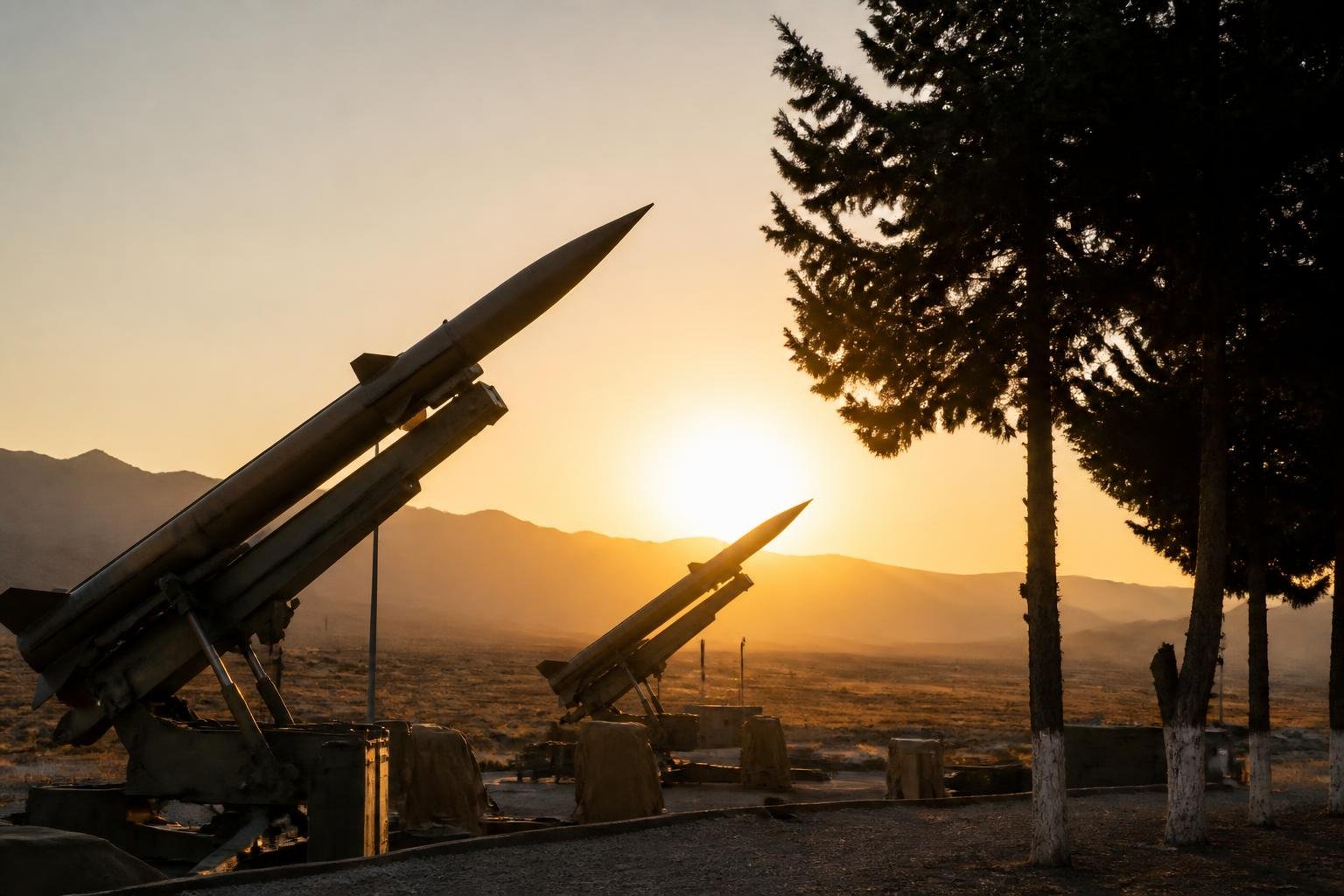
Iran claimed on Friday to have launched targeted drone strikes against American military installations in Kuwait and Bahrain, according to Iranian state media as reported by OilPrice.com. The stated targets reportedly included the Ahmad al-Jaber Air Base in Kuwait, and Iran described the attack as a direct response to what it characterized as American strikes against southern Iran.
The attack represents a significant escalation of regional tensions, coming just days after a diplomatic de-escalation appeared to be within reach earlier in the week.
Hopes for a swift diplomatic resolution were shattered — markets reacted immediately.

Oil Prices React, but Analysts Remain Cautious
Oil prices moved higher following the news, consistent with a recurring pattern from 2026: geopolitical unrest in the Middle East quickly feeds through into energy markets. Earlier this month, on July 29, WTI crude rose 7.6 percent and Brent gained 5.4 percent after the United States and Saudi Arabia conducted joint strikes against Iran-linked groups in Iraq, according to research data available to 24markets.
It is important to note that Iran's own claims regarding the scale and impact of the attack have not yet been independently verified. The market reaction is largely driven by the geopolitical risk environment rather than confirmed facts about the extent of any damage.

Bitcoin Sold Off — Again
In line with the elevated risk environment, Bitcoin was trading at around $62,826 on Friday, down from levels above $65,000 earlier in the month. This is itself an illustrative example of a pattern that has repeated itself throughout 2026: when oil prices spike on conflict news, investors sell off risk assets — including crypto.
According to research data analyzed by 24markets, Bitcoin fell to approximately $62,600 as early as July 14, when Brent crude rose nearly four percent following renewed US-Iran tensions. On July 7, American strikes against Iranian targets pushed Bitcoin below $63,000, while oil surpassed $72 per barrel.
Experts Divided on Bitcoin's Role
The research picture is mixed. James Butterfill, Head of Research at CoinShares, stated in March 2026 that geopolitics has taken over as the primary driver for Bitcoin, and that institutional investors are increasingly viewing crypto assets as worth holding through such periods. Binance Research concluded in a report from the same period that oil price shocks increase Bitcoin's short-term volatility, but do not determine the direction of returns.
An analysis from Renmin University of China suggests that geopolitical events can provide short-term positive impulses for Bitcoin, but that the long-term effect is uncertain and approaches zero.
Taken together, this paints a picture of an asset caught in a kind of middle ground: too volatile to serve as a classic safe haven like gold, yet too institutionally anchored to collapse entirely with each geopolitical shock.
What Happens Next?
The immediate concern in markets is whether the strikes will trigger further escalation from the American side, and crucially whether the Strait of Hormuz — a critical chokepoint for global oil transport — could once again be affected. A closure of the strait could potentially send oil above $100 per barrel, a level that was briefly observed earlier in 2026 during the previous escalation round, according to available market data.
The crypto Fear & Greed Index stood at 25 out of 100 on Friday, classified as "extreme fear" — a clear signal that risk appetite is low across asset classes.
This article was written using large language models under editorial supervision by Aprex. Content is source-verified and auditable. Read our method →