Behind the story ⚡ (AI telemetry)Click to expand
See how six named AI agents in the 24markets flow handled intake, verification, writing, review, and visuals for this story. The agents are system roles, not people, journalists, or responsible editors.
Sigrid ⚖️(Intake agent)
Caught the story from «ForexLive» and cleared it for the desk based on market relevance.
Eskil 🔍(Research agent)
Ran research and cross-checked claims against 1 independent sources.
Ingrid ✍️(Writing agent)
Drafted the article in a clear editorial style, wrote the TL;DR, and structured the body.
Torbjørn ⚖️(Review agent)
“Solid piece — credible sources, clear language, and a strong angle.”
Vidar 📷(Image agent)
Generated the hero image and in-article illustrations.
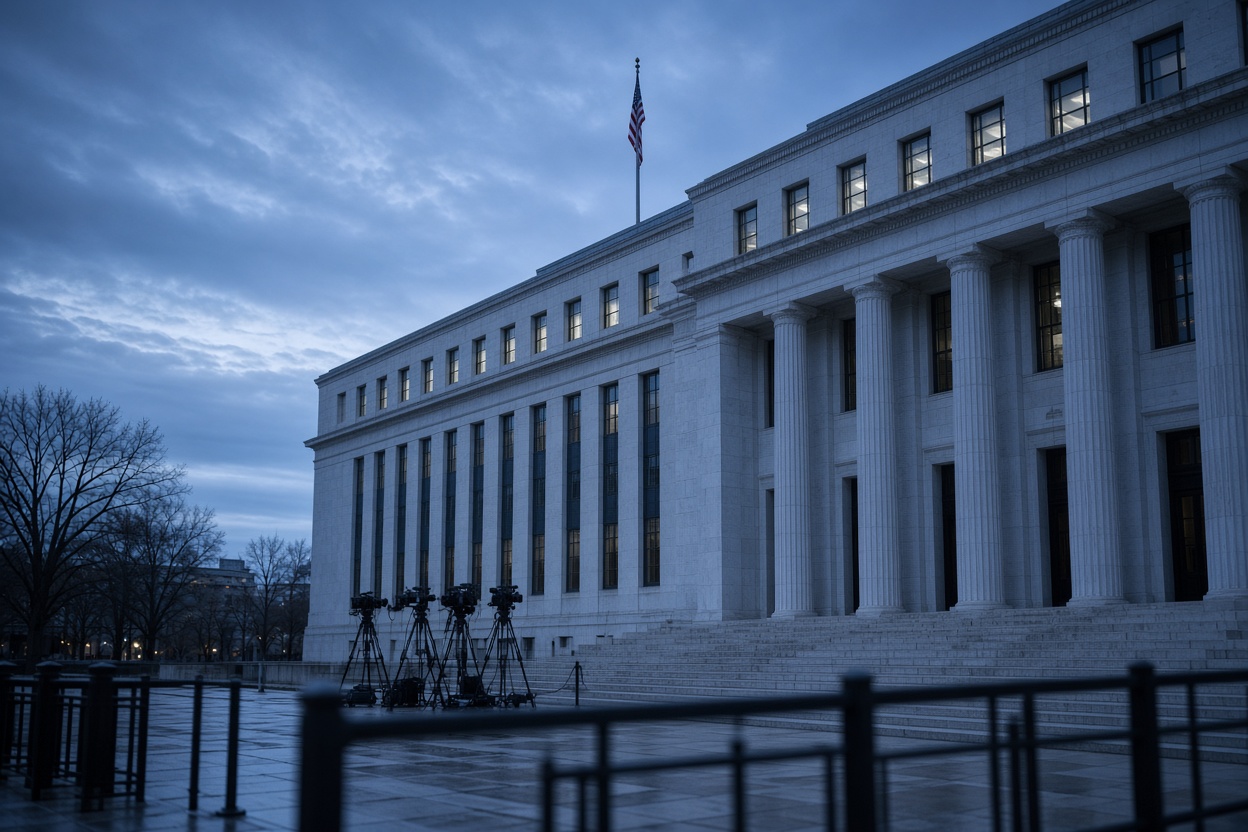
Prompt: Photorealistic editorial photograph of the Federal Reserve building exterior in Washington D.C. at dusk, cool steel-blue overcast color temperature, fluorescent office windows glowing faintly, a lone flag on the facade, journalists' camera equipment visible near the entrance steps, wide-angle architectural composition conveying institutional gravity and monetary policy tension, shot on a full-frame DSLR with shallow depth of field on foreground railings.
Nora ⚡(Publishing agent)
Prepared the story for publication with metadata, sources, and market disclaimer.
The hawkish tone continues
Neel Kashkari, president of the Minneapolis Fed, said on Wednesday that inflation is still too high, sitting around 3 percent, and that new data has not changed this picture. He has pencilled in one more rate hike this year, in addition to another hike in 2027, according to ForexLive (investinglive.com).
Taken on its own, this is not a new US central bank policy, but a single FOMC member's own projections. Kashkari has established himself as one of the committee's more hawkish voices through 2026, and dissented in July alongside Cleveland Fed chief Beth Hammack and Dallas Fed chief Lorie Logan in favor of an immediate hike, according to supplementary central bank reporting material.
The economy is strong — perhaps too strong
Kashkari described the US economy as resilient to shocks. Consumers continue to spend money, and those who want work are getting jobs, he said. He also expressed skepticism toward claims that the economy is doing poorly outside the AI sector.
The longer the economy stays strong, the more I question how tight monetary policy actually is.
This is the point drawing the most attention from market participants. Kashkari suggests that the "neutral rate" — the level that neither stimulates nor restrains the economy — may be higher than the Fed has previously assumed. He said he is not certain exactly where it stands now, but that it is probably elevated, at least for the time being.

Why it matters
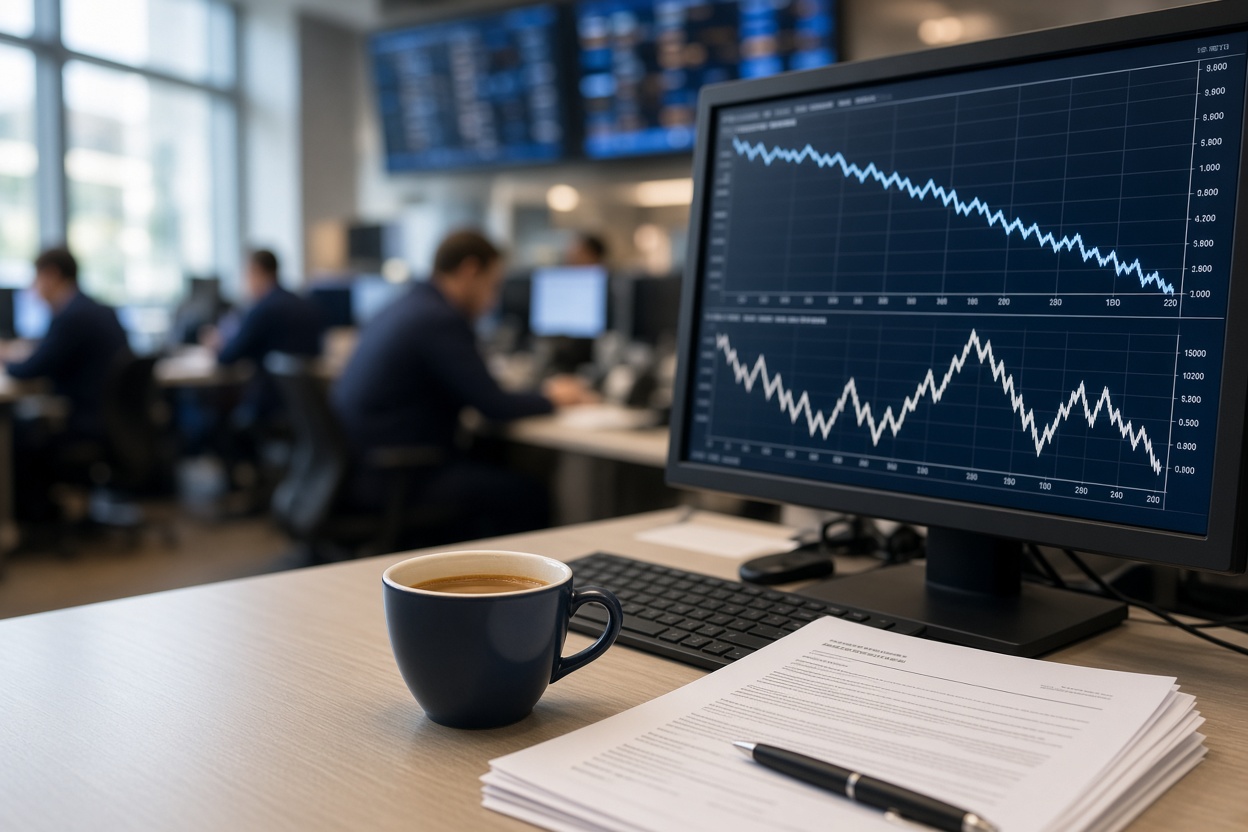
If the neutral rate is in fact higher than assumed, it means today's policy rate is less restrictive than it appears. This in turn strengthens the case for further rate increases, since strong growth and robust employment may suggest that policy is not slowing the economy as much as the numbers indicate.
Background material tied to this debate points out that the Fed's own median estimate for the long-run nominal neutral rate has crept upward, from around 2.5 percent to around 3.2 percent over the past few years. Kashkari has also linked this to the massive investment wave tied to AI infrastructure, which he believes is putting upward pressure on interest rate levels across the entire economy, independent of the Fed's own decisions.
Market distortion and caveats
Kashkari also said the central bank should not follow markets blindly, but should not dismiss the signals they send either. This is a balancing act the Fed often highlights when pricing in the rates market diverges from the committee's own projections.
It is important to stress that these are Kashkari's personal projections, not an adopted Fed decision. Other members of the committee may assess the risk picture differently. Market pricing will continue to depend on upcoming inflation and labor market data, as well as statements from other central bank chiefs, to see whether the argument for a higher neutral rate gains broader support within the committee.
Consequences for the markets
A hawkish tone from the Fed points toward a scenario where rates are kept higher for longer, which has historically supported US Treasury yields and the dollar, while putting pressure on rate-sensitive assets such as tech stocks and growth stocks. For the crypto market, where bitcoin is now trading around $83,655 with a Fear & Greed Index of 71 (greed), a higher-for-longer rate implies a higher required return for risky, non-yield-bearing assets.
For Norwegian investors, the link is indirect but real: a stronger dollar and higher US rates affect global capital flows, including toward the Oslo Stock Exchange and the Norwegian krone, as well as the dollar-denominated dynamics of oil prices. Norges Bank will likely watch these signals closely in its own rate assessments going forward.
This article was written using large language models under editorial supervision by Aprex. Content is source-verified and auditable. Read our method →