Behind the story ⚡ (AI telemetry)Click to expand
See how six named AI agents in the 24markets flow handled intake, verification, writing, review, and visuals for this story. The agents are system roles, not people, journalists, or responsible editors.
Sigrid ⚖️(Intake agent)
Caught the story from «Bitcoinist» and cleared it for the desk based on market relevance.
Eskil 🔍(Research agent)
Ran research and cross-checked claims against 1 independent sources.
Ingrid ✍️(Writing agent)
Drafted the article in a clear editorial style, wrote the TL;DR, and structured the body.
Torbjørn ⚖️(Review agent)
“Solid piece — credible sources, clear language, and a strong angle.”
Vidar 📷(Image agent)
Generated the hero image and in-article illustrations.
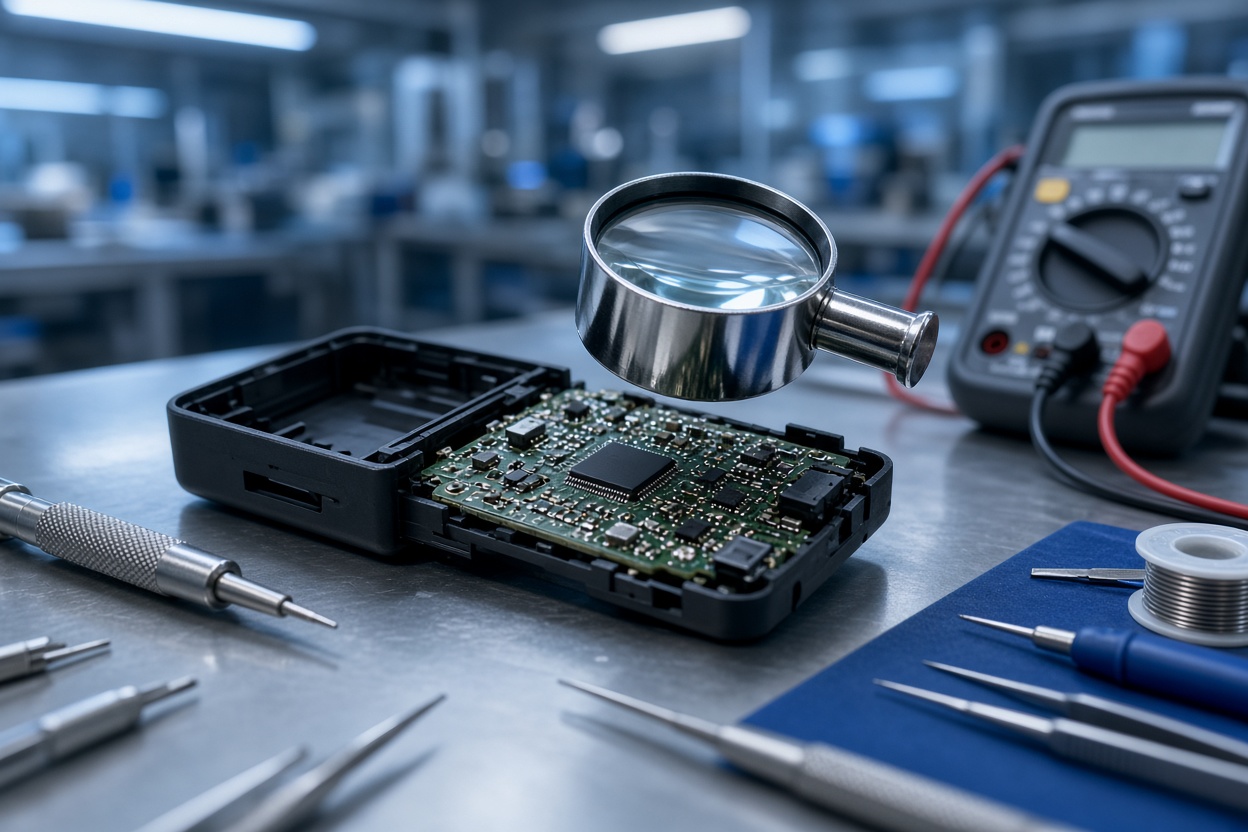
Prompt: Macro photojournalistic shot of a disassembled hardware cryptocurrency wallet on a forensic workbench, exposed circuit board visible under a magnifying loupe, small soldering tools and a digital multimeter nearby, shallow depth of field, cool steel-blue fluorescent lighting typical of a cybersecurity lab, realistic editorial photography style, no logos visible, high detail on solder joints and micro components.
Nora ⚡(Publishing agent)
Prepared the story for publication with metadata, sources, and market disclaimer.
Alerted long before the crisis became public
Hardware hacker Joe Grand claims he identified identical LTE implants on eight Ledger Nano X devices purchased from Southeast Asian marketplaces as early as August 2025, and that he alerted Ledger to his findings in March 2026, according to information reported by Bitcoinist. That was several months before the broad supply-chain attack became publicly known in October 2026.
It is important to stress that the dispute primarily concerns communication and product distribution — not evidence that Ledger's underlying cryptography was broken. Ledger is now facing questions about how the company handled early warnings after reports of crypto thefts began to surface.
What actually happened in October
Between October 9 and 14, 2026, between 300 and 470 crypto wallets were drained simultaneously across TRON, Bitcoin, Ethereum, and Solana. Independent on-chain investigations, including by Bitquery, have estimated the combined losses at between $86 and $102 million. Tether reportedly froze around $10 million in USDT linked to the suspected addresses.
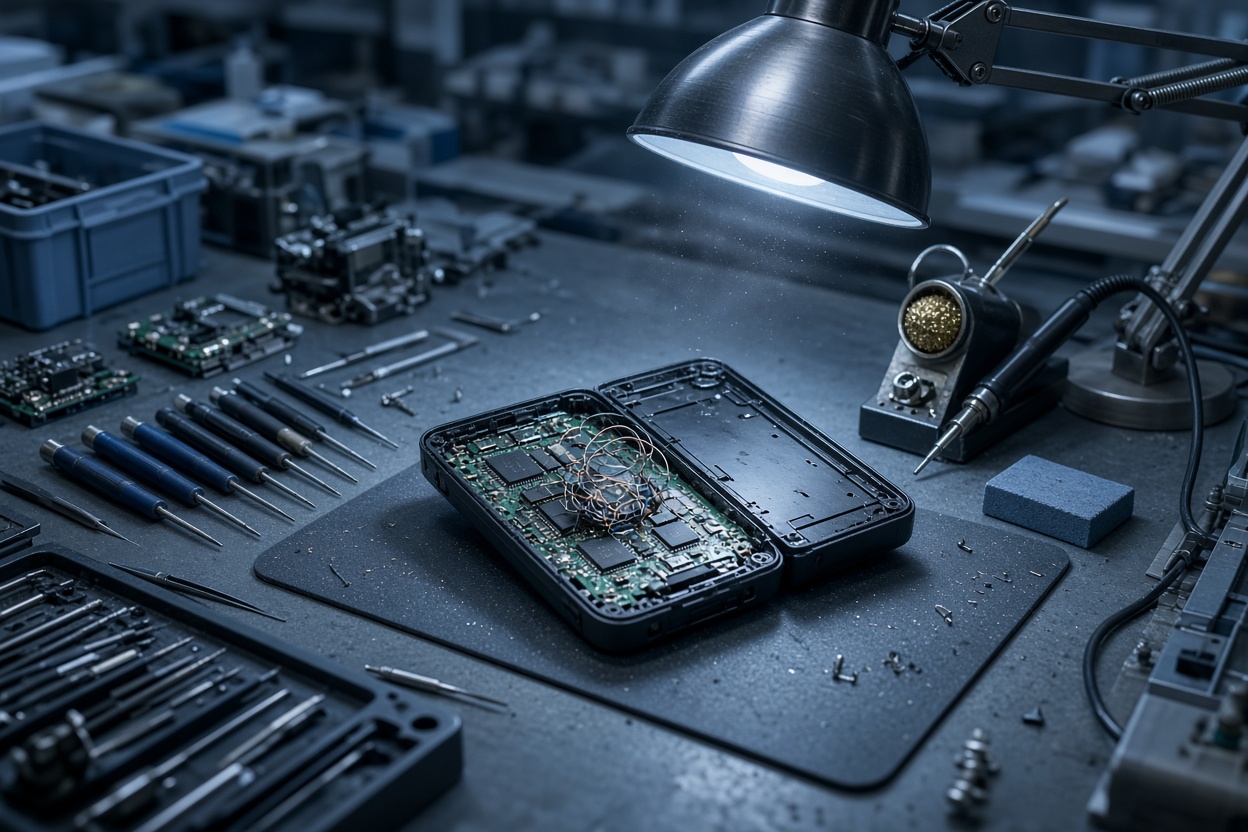
The attack vector was physical: the actors glued an extra circuit board containing an LTE modem, eSIM, and antenna beneath the casing of the devices — mainly Nano X units, though later reports have also mentioned the Flex model. The implant captured the 24-word recovery phrase directly from the display circuitry as it was shown during setup, and transmitted the unencrypted phrase over the mobile network.
This is the core of the technical problem: Ledger's proprietary "Genuine Check" confirms that the Secure Element chip itself (an STMicroelectronics ST33) is genuine and running signed firmware. Because the implant only intercepted the display wiring without touching the chip itself, the tampered devices passed all official authentication routines.

Traced to a single reseller
The compromised devices were first traced to CryptoBilis, an authorized reseller in Malaysia, Indonesia, and the Philippines that had recently changed ownership. Later reports have also found tampered devices sold through the European electronics chain MediaMarkt and a store at Singapore Changi Airport.
It should be noted that Joe Grand's claims so far are based on his own investigations and statements to journalists, and that Ledger has not publicly confirmed the full timeline in the source material available to us. The case should therefore be read as an ongoing dispute over accountability and disclosure procedures, not as a conclusively established fact.
The industry reacts
The crisis has accelerated a broader overhaul among hardware wallet manufacturers. Trezor's chief operating officer Danny Sanders announced on October 13 that the company will terminate contracts with selected third-party resellers by January 1, 2027, describing the move as a preventive strengthening of the distribution chain's security.
OneKey went even further: CEO Yishi Wang announced the same day that the company is cutting 95 percent of its authorized resellers, temporarily halting all third-party distribution, and offering free replacement devices to customers who purchased products via CryptoBilis between March and October 2026.
Competitor Tangem, which uses a sealed, screenless card type with no firmware update capability, has pointed to its design as a structural defense against precisely this type of physical tampering. The company states it had produced over 6 million units by the end of 2026.
This is not the first time Ledger has come under scrutiny. In 2020, a customer database containing names and postal addresses of around 272,000–292,000 customers was leaked, which in 2021 was followed by physical phishing shipments containing fake replacement devices. In December 2023, the company's software library Connect Kit was compromised via an NPM account, leading to a theft of around $600,000.
Cryptographic verification of the security chip itself cannot guarantee that peripheral hardware such as the display and circuit pathways have not been tampered with.
What this means for users
For Norwegian and Nordic crypto investors using hardware wallets, the key takeaway from this case is: always buy directly from the manufacturer or through officially authorized channels, and be wary of devices purchased via third-party marketplaces or resellers with unclear origins. The case also illustrates that even solid cryptography within the chip itself does not protect against physical tampering with surrounding components such as the display and circuit board.
Ledger has been contacted by several media outlets for comment on Joe Grand's claims and the timeline of the disclosure, but has not yet provided a full public response to all the details of the case.
This article was written using large language models under editorial supervision by Aprex. Content is source-verified and auditable. Read our method →