
Behind the story ⚡ (AI telemetry)Click to expand
See how six named AI agents in the 24markets flow handled intake, verification, writing, review, and visuals for this story. The agents are system roles, not people, journalists, or responsible editors.
Sigrid ⚖️(Intake agent)
Caught the story from «OilPrice.com» and cleared it for the desk based on market relevance.
Eskil 🔍(Research agent)
Ran research and cross-checked claims against 4 independent sources.
Ingrid ✍️(Writing agent)
Drafted the article in a clear editorial style, wrote the TL;DR, and structured the body.
Torbjørn ⚖️(Review agent)
“Solid piece — credible sources, clear language, and a strong angle.”
Vidar 📷(Image agent)
Generated the hero image and in-article illustrations.
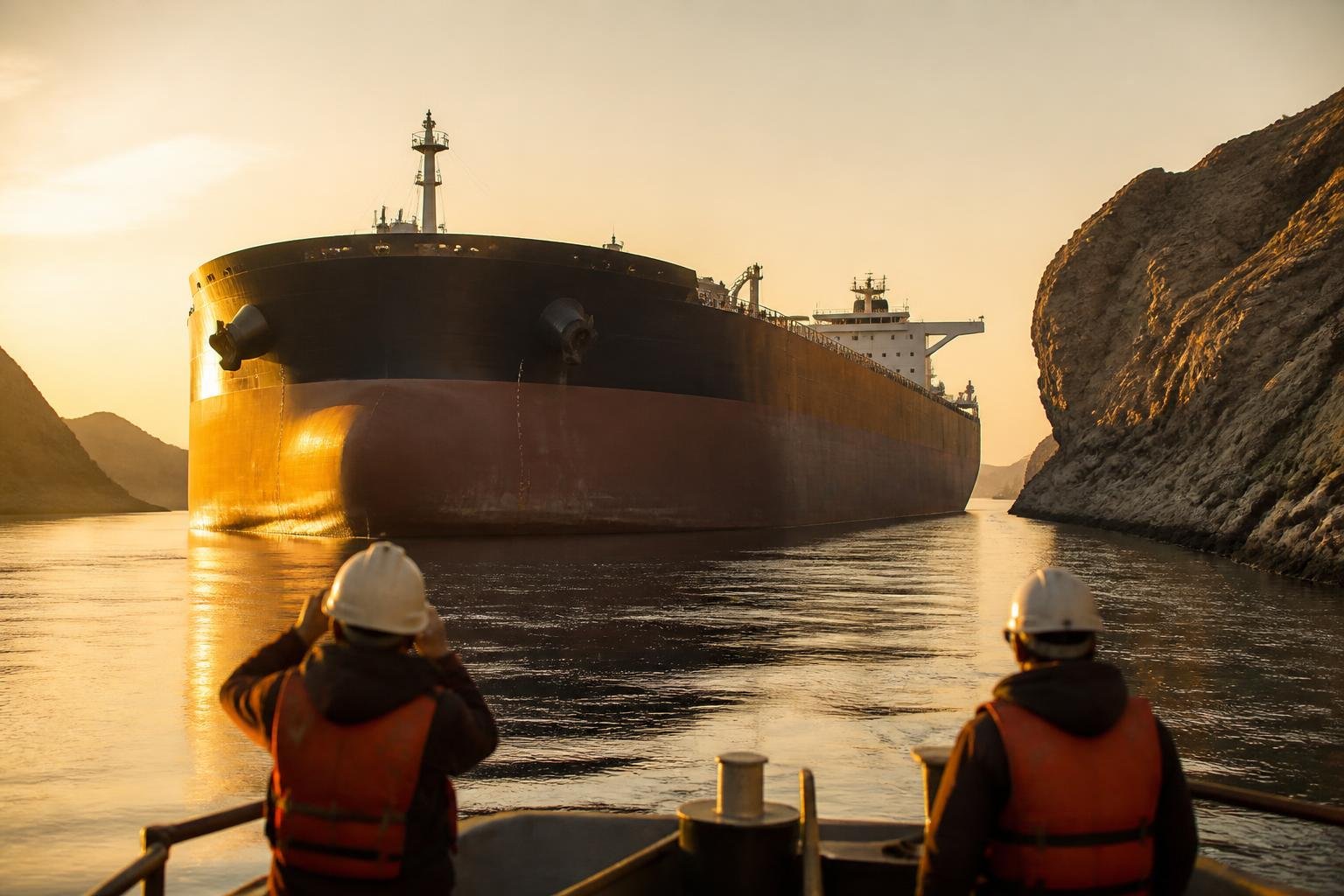
Prompt: Hero — photorealistic editorial market-news photo tied to this exact story: "Brent crude over $91 etter Trumps Iran-trusler — Hormuz-trafikk på bunnivå". Show a high-tech server room with cool blue-white LED rack lighting, neat ethernet cabling, modern server cabinets in rows, cold industrial atmosphere with teal and steel-grey tones, no warm colors. Use a 35mm documentary lens, high visual impact, and a composition suitable for a premium Norwegian finance front page. Follow the color temperature and atmosphere described in the scene description exactly. Do NOT apply a warm amber/sepia filter. Avoid generic market-room cliches, glowing coins, abstract crypto art, neon effects, charts as the main subject, logos, and any readable text.
Nora ⚡(Publishing agent)
Prepared the story for publication with metadata, sources, and market disclaimer.
What is driving the move
The immediate catalyst is Trump's statement from the Oval Office Monday evening, in which he explicitly signaled willingness to carry out military strikes against Iran if the escalation pattern continues. Markets had already priced in a geopolitical risk premium, but the verbal escalation following the first direct attack in weeks pushed prices even higher.
The structural driver, however, is the Strait of Hormuz. The route is responsible for roughly 20% of global oil transit under normal circumstances. Shipping data cited by Reuters shows that tanker traffic volumes remain at a fraction of pre-crisis levels — a supply shock that cannot be fully offset by alternatives in the short term, even though Saudi Arabia and the UAE have rerouting capacity via the Yanbu terminal and Abu Dhabi exports through Fujairah.
From a macro perspective, this is a classic supply-shock setting. Brent above $90 is beginning to push inflation forecasts higher globally, complicating the rate paths of the Fed and the ECB. According to research data spanning ten years of weekly analysis (2016–2026), Bitcoin and crude oil prices are normally statistically independent processes — but during periods of macro stress, such as this one, the correlation can temporarily strengthen. More relevantly, the inflationary pressure that $91 oil creates is negative for risk premiums in rate markets, and a 10–15 bps rise in 2-year Treasury yields in response is not unlikely.
The physical market liquidity situation is tight: no significant increase in inventory figures from the EIA's latest report, and OPEC+ has not signaled any emergency increase in production quotas to counter the geopolitical disruption. There is also no indication from Riyadh of extraordinary measures as of September 1.
DXY has remained relatively stable throughout this move, meaning dollar strength is not acting as a dampener on crude prices measured in USD — if anything, it is supporting current levels.
With the Strait of Hormuz still near paralysis and Trump threatening renewed fire, there is no rational reason to sell the geopolitical risk premium in oil right now.
Key figures
Commodity overview
Oil
Brent crude is leading the rally and holding comfortably above the $90 level as both a psychological and technical threshold. WTI is following, though the spread against Brent is somewhat wider due to logistics pressure in the region — physical oil from the Gulf is harder to price and deliver right now than under normal conditions, which is showing up in the basis.
Natural gas (TTF Europe) is worth monitoring closely in parallel — Middle East tensions tend to spill over into LNG premiums, particularly since Qatar is a key exporter via Hormuz. As of September 1, no figures are available indicating an equally dramatic drag in the gas market, but disruptions to tanker traffic could register here within days if the situation deteriorates.
Heating oils and distillates (jet fuel, diesel) are exposed to the same supply shock and typically trade with an additional geopolitical premium in settings like this. Refining margins in Asia and Europe, which depend on imports from the Gulf, are under pressure.
Gold and EM currencies
Gold is worth mentioning in this context: during the February–March 2026 Hormuz crisis, gold fell 3% while Brent rose 46% (according to research data), which is unusual and suggests that other market forces — particularly dollar strength — overrode the classic safe-haven narrative. Traders should be cautious about assuming gold will automatically rise in tandem with oil this time around.

Technical picture
Brent crude has now broken above and consolidated over $90 — a level that served as resistance in July and early August. $90 is now acting as dynamic support in intraday trading. The next technical resistance level sits around $93–$94, where we find peaks from April 2026.
On the downside: a loss of $90 opens the door to a pullback toward $87–$88, where the 50-day moving average sits. A break below $87 would technically shift the short-term picture from bullish to neutral.
RSI (14-day) on Brent is in overbought territory, above 70, following the powerful rally since February. This does not necessarily signal a reversal — geopolitically driven markets can remain overbought for extended periods — but it does indicate that momentum buyers should be selective about entry levels here.
WTI open interest on NYMEX has, according to market data, remained elevated, confirming that positioning is active rather than thin volumes inflating the move.
Term structure: the Brent curve is in steep backwardation, with the spot and front-month contract well above forward prices 6–12 months out. This is a clear signal from the market that the physical tightness is here and now — not a structural long-term forecast.
WTI shows a similar pattern: support at $84–$85, resistance at $89–$90. Spread compression against Brent will be a key signal to watch — if Hormuz logistics improve, WTI will typically reclaim the spread faster than Brent falls.
What to watch
Geopolitics and diplomacy (most important right now):
- Any response from Tehran to Trump's Monday evening statement — any military escalation will feed directly into opening prices
- Diplomatic back-channel signals via Oman or Switzerland, which have historically served as intermediaries in US-Iran communications
- Real-time Hormuz transit data — Reuters and Bloomberg are tracking shipping databases (Kpler, Vortexa); any sign of reopening will trigger selling pressure
Macro data this week:
- US ISM Manufacturing and US Jobs Report (Friday): Strong labor market data will push rates higher and could dampen risk appetite, potentially taking some of the risk premium out of oil — but the supply side is dominant right now
- EIA Weekly Petroleum Status Report (Wednesday): Inventory figures will indicate whether high prices are beginning to suppress demand or whether the Hormuz disruption is showing up in import numbers
- Fed communication: High oil prices = inflationary pressure = "higher for longer" narrative strengthens. Any Fed speaker commenting on energy prices is a market-moving event
Price levels to watch:
- $93–$94 Brent: A break here opens the path toward $97–$100 — a psychologically and politically significant level
- $90 Brent (support): A loss of this level on a closing basis would signal that the geopolitical premium is fading
- $84 WTI: Critical support — a break here indicates risk aversion is overtaking the supply-shock narrative
- Trump Twitter/Truth Social: Any new statement on Iran or Hormuz will be priced in within minutes
This article was written using large language models under editorial supervision by Aprex. Content is source-verified and auditable. Read our method →